When it comes to tackling home repairs or DIY projects, having the right tools can make all the difference. One essential tool that often finds its way into the toolbox is the adjustable wrench. This versatile piece of equipment has become a favorite among both professional handymen and weekend warriors alike. But what exactly makes the adjustable wrench such a valuable asset? Let’s dive in and explore its features, benefits, and practical uses.
Understanding the Adjustable Wrench
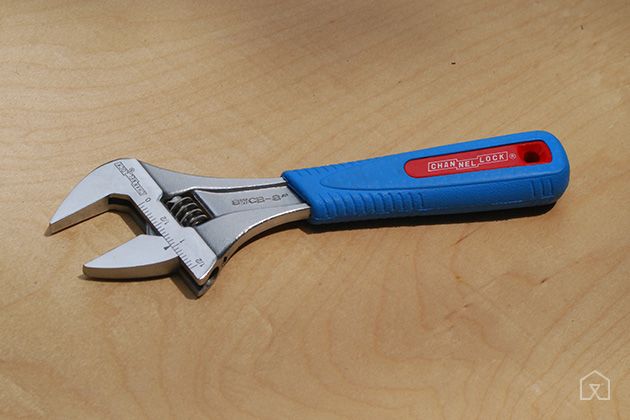
The adjustable wrench, often referred to as a crescent wrench, is designed to grip and turn nuts and bolts of various sizes. Unlike fixed wrenches, which come in a set of specific sizes, the adjustable wrench offers flexibility. With a simple turn of a thumb screw, the jaw can be opened or closed to fit different fasteners. This adaptability is what makes it an indispensable tool in any handyman’s arsenal.
Key Features of an Adjustable Wrench
- Adjustable Jaw: The primary feature that sets this wrench apart is its adjustable jaw, allowing for a wide range of sizes. This means you can tackle multiple tasks without needing to switch tools.
- Durability: Made from high-quality materials such as chrome vanadium or carbon steel, adjustable wrenches are built to last. They can withstand significant pressure without bending or breaking.
- Ergonomic Design: Many adjustable wrenches are designed with comfort in mind. A good grip is crucial, especially when applying torque to stubborn fasteners.
- Compact Size: Their compact design makes them easy to carry in a toolbox or even in your pocket, making them ideal for on-the-go repairs.
Why You Need an Adjustable Wrench
As a handyman, you often encounter various situations that require quick and effective solutions. Having an adjustable wrench on hand can save you time and frustration. Here are some scenarios where this tool proves invaluable:
Versatility in Different Projects
Whether you’re working on plumbing, automotive repairs, or furniture assembly, the adjustable wrench can handle it all. Its ability to fit various sizes means you won’t have to rummage through your tool chest looking for the right wrench. This alone can make your work more efficient.
Cost-Effective Solution
Investing in an adjustable wrench means you won’t have to buy multiple fixed-size wrenches. This not only saves you money but also reduces clutter in your toolbox. One tool can effectively replace several, allowing for a more organized workspace.
Perfect for Tight Spaces
Sometimes, getting the right tool for the job means working in confined spaces. The slim profile of an adjustable wrench allows it to fit into tight spots that larger tools simply can’t reach. This feature is especially useful in plumbing tasks under sinks or in cramped engine compartments.
How to Use an Adjustable Wrench Safely
Using an adjustable wrench may seem straightforward, but safety should always be a priority. Here are some practical tips to keep in mind:
Proper Grip and Control
Ensure that you have a firm grip on the handle. A slip can lead to accidents and injuries. Make sure your hand is dry, and if necessary, wear gloves for added protection.
Align the Wrench Correctly
When using the adjustable wrench, align it correctly with the fastener. The jaws should fully engage the nut or bolt to prevent slipping. This alignment helps in applying even pressure and reduces the risk of damaging the fastener.
Don’t Overextend the Jaw
While it might be tempting to open the jaw wide to fit a larger fastener, this can compromise the wrench’s grip. Use it within its intended range to maintain control and prevent breakage.
Common Mistakes to Avoid
Even seasoned handymen can make mistakes when using an adjustable wrench. Here are some common pitfalls to avoid:
Using the Wrong Size
While the adjustable wrench is versatile, using it on a fastener that’s too small can cause damage. Always ensure that the wrench is appropriately sized for the task at hand.
Applying Too Much Force
Many find themselves applying excessive force when using an adjustable wrench, thinking it will make the job easier. However, this can lead to stripped nuts and bolts, making future repairs more complicated.
Maintaining Your Adjustable Wrench
Like any tool, an adjustable wrench requires regular maintenance to ensure its longevity and performance. Here’s how to keep it in top shape:
Regular Cleaning
After each use, wipe down the wrench to remove dirt and grime. This prevents rust and ensures smooth operation over time.
Lubrication
Occasionally, apply a few drops of oil to the adjustment mechanism. This will keep it moving smoothly and prevent it from seizing up.
Storage
Store your adjustable wrench in a dry place, ideally in a toolbox or drawer. Exposure to moisture can lead to rust, which can compromise its effectiveness.
Frequently Asked Questions
Can an adjustable wrench replace a socket wrench?
While an adjustable wrench can perform many of the same tasks as a socket wrench, it is not always as effective. Socket wrenches provide a better grip and are less likely to slip off fasteners, especially in high-torque situations.
Are there different sizes of adjustable wrenches?
Yes, adjustable wrenches come in various sizes. It’s advisable to have a few different sizes to accommodate different fasteners and tasks.
How do I know when to replace my adjustable wrench?
If you notice significant wear, such as cracks, chips, or a loose jaw that doesn’t hold fasteners securely, it’s time to replace your adjustable wrench.
Conclusion
In summary, the adjustable wrench is an essential tool for any handyman. Its versatility, durability, and compact design make it a go-to choice for various tasks. By understanding its features, proper usage, and maintenance, you can ensure that this valuable tool serves you well for years to come.