
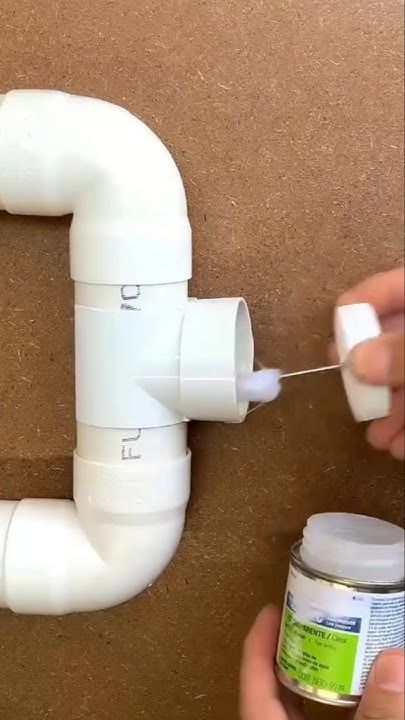
When it comes to home improvement projects, the right materials can make a world of difference. One material that often gets overlooked is PVC cement. Whether you’re a seasoned DIYer or just starting out, understanding how to use this versatile adhesive can elevate your plumbing and construction game.
What is PVC Cement?
PVC cement is a solvent-based adhesive specifically designed for bonding polyvinyl chloride (PVC) pipes and fittings. Unlike regular glue, this cement creates a strong chemical bond that ensures your pipes are leak-free and durable. It’s commonly used in plumbing applications, irrigation systems, and even some construction projects.
Why Use PVC Cement?
Using PVC cement comes with numerous benefits. First and foremost, it creates a robust connection that can withstand high pressures and varying temperatures. Additionally, this type of cement is easy to apply and dries relatively quickly, allowing you to complete your projects without unnecessary delays.
- Fast Drying Time: Many varieties of PVC cement can set in just a few minutes, making it ideal for quick repairs.
- Strong Bond: The chemical reaction that occurs when the cement is applied creates a bond that is often stronger than the materials being joined.
- Versatile: Suitable for a variety of applications beyond plumbing, including crafts and outdoor projects.
Choosing the Right PVC Cement
Not all PVC cements are created equal. When selecting the right cement for your project, consider the following factors:
- Type of PVC: Ensure that the cement is compatible with the specific type of PVC you’re using.
- Application: Different projects may require different types of cement. Thin, medium, and heavy-bodied varieties are available depending on the thickness of the materials being bonded.
- Color: While most PVC cements are clear or blue, the color can matter for aesthetic reasons, especially in visible locations.
How to Use PVC Cement
Using PVC cement is a straightforward process, but there are important steps to follow to ensure a successful application:
- Prepare the Surfaces: Clean the surfaces that will be bonded to remove any dirt, grease, or moisture.
- Apply Primer: For a better bond, you may want to apply a PVC primer first. This step is optional but can enhance the effectiveness of the cement.
- Apply PVC Cement: Use a brush or applicator to apply a generous amount of cement to both surfaces. Don’t be stingy; a good amount ensures a strong bond.
- Join the Pieces: Quickly align and press the pieces together. Remember, you usually have only a few seconds to adjust them!
- Hold in Place: Maintain pressure for a minute or so to allow the cement to set before releasing.
Common Mistakes to Avoid
Even experienced DIYers can make mistakes when using PVC cement. Here are some common pitfalls to be aware of:
- Skipping the Primer: While not always necessary, skipping the primer can lead to weaker bonds.
- Applying Too Much Cement: Excess cement can create unsightly drips and may not bond as effectively.
- Not Following Drying Times: Each type of cement has different drying times. Failing to adhere to these can result in weak joints.
Safety Precautions
Working with PVC cement does require some safety considerations:
- Ventilation: Always ensure that the area is well-ventilated to avoid inhaling fumes.
- Protective Gear: Wear gloves and goggles to protect your skin and eyes from potential irritation.
- Keep Away from Flames: PVC cement is flammable, so it should be kept away from any open flames or heat sources.
Frequently Asked Questions
Can I use PVC cement for all types of pipes?
While PVC cement is ideal for PVC pipes, it is not suitable for other types of pipe materials like CPVC or ABS. Always check the label for compatibility.
How long does PVC cement take to cure?
The curing time can vary based on the type of cement and environmental conditions. Generally, it can take anywhere from a few minutes to several hours for a complete cure.
Is PVC cement waterproof?
Yes, once cured, PVC cement creates a waterproof bond, making it perfect for plumbing applications where water exposure is inevitable.
Final Thoughts on PVC Cement
Mastering the use of PVC cement can be a game-changer for your home projects. Its quick-drying nature, strong bonding capabilities, and versatility make it an essential tool in any DIY enthusiast’s arsenal. So, the next time you’re tackling a plumbing issue or a creative project, don’t forget about the power of PVC cement!