When it comes to building and renovating structures, one component that often goes unnoticed but is crucial for stability is the joist hanger. This simple yet effective device plays a significant role in securing joists to beams or other structural elements, ensuring that everything stays in place over time. In this article, I’ll take you through the ins and outs of joist hangers, why they are essential, and how to choose the right one for your projects.
What is a Joist Hanger?
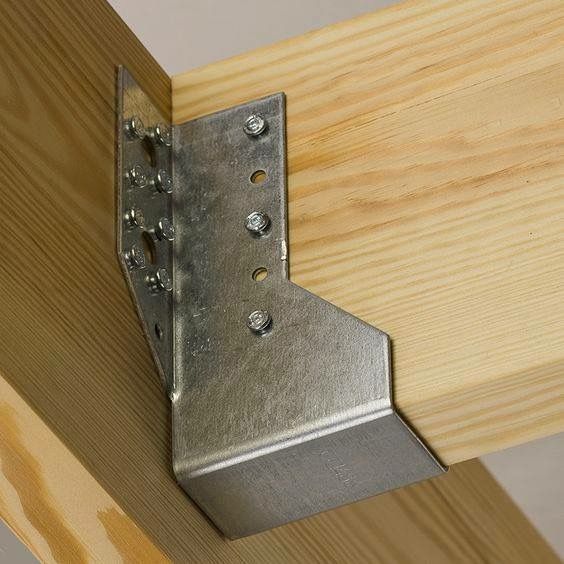
A joist hanger is a metal bracket designed to support the ends of joists, which are the horizontal supports that hold up floors and ceilings. Typically made of galvanized steel or another corrosion-resistant material, these hangers are engineered to provide a strong connection between joists and beams, ensuring that the structure can bear the load safely. But why is this connection so vital?
Importance of Joist Hangers in Construction
- Load-Bearing Capacity: Joist hangers are designed to distribute weight evenly across the beam, which helps prevent sagging and damage over time.
- Structural Integrity: Using joist hangers can significantly enhance the overall stability of a building or renovation, making it safer for occupants.
- Code Compliance: Many building codes require the installation of joist hangers, ensuring that structures meet safety standards.
Types of Joist Hangers
Not all joist hangers are created equal. Depending on your project, you may encounter different types, each serving a unique purpose. Let’s break these down a bit.
Single vs. Double Joist Hangers
Single hangers are designed for individual joists, while double hangers can accommodate two joists side by side. This distinction can be crucial when planning your layout.
Adjustable Joist Hangers
These versatile hangers allow for minor adjustments in height, making them ideal for projects where you need a little flexibility. If your beams aren’t perfectly level, adjustable hangers can help you achieve that perfect fit.
Choosing the Right Joist Hanger
When selecting the appropriate joist hanger for your project, there are several factors to consider:
Material
As mentioned earlier, most joist hangers are made from galvanized steel. However, if your project is in a coastal area or an environment with high humidity, you might want to consider a stainless steel option to prevent rusting.
Size and Load Rating
Each joist hanger comes with specific size and load rating specifications. Make sure to choose one that matches the dimensions of your joists and can handle the expected load. If you’re unsure, consult with a professional or refer to local building codes.
Installation Tips for Joist Hangers
Installing joist hangers might seem straightforward, but following proper techniques is crucial for ensuring maximum stability. Here are some practical tips:
Use the Right Fasteners
Different hangers require different types of fasteners. Always use the manufacturer’s recommended screws or nails to ensure a secure fit.
Check for Level
Before securing the joist, make sure it’s level. A non-level joist can lead to structural issues down the line.
Follow Manufacturer Instructions
Each joist hanger comes with its installation guide. It’s always best to follow these instructions closely, as they provide specific details tailored to that product.
Common Mistakes to Avoid
Even seasoned DIYers can make mistakes when it comes to installing joist hangers. Here are a few pitfalls to steer clear of:
- Ignoring Local Building Codes: Always check your local regulations before installation. Ignoring these can lead to safety hazards and costly fines.
- Overloading: Be mindful of how much weight your joists can handle. Overloading can cause structural failure.
- Neglecting Corrosion Resistance: If your project is outdoors or in a humid space, ensure that you use corrosion-resistant hangers.
Frequently Asked Questions
How do I know if I need joist hangers?
If your joists are not resting directly on a supporting beam or wall, then you will likely need joist hangers to ensure they are properly supported.
Can I use joist hangers in outdoor projects?
Absolutely! Just be sure to choose hangers that are made from weather-resistant materials.
How many joist hangers do I need per joist?
Typically, two hangers are used for each joist, but this can vary based on the design of your project and the local building codes.
What’s the best way to ensure my joist hangers are secure?
Always follow the manufacturer’s installation instructions and use the appropriate fasteners. Double-check that everything is level before securing.
Conclusion
In summary, a joist hanger is a small but mighty component in any construction or renovation project. By understanding its importance, types, and installation tips, you can ensure that your project is both safe and structurally sound. So, the next time you’re planning a build, remember that these little brackets are more than just metal—they’re the backbone of your structure!