When it comes to DIY projects and home improvement, one of the essential components that often gets overlooked is the humble bracket. Brackets might seem like a small detail, but they play a crucial role in providing support and stability to various structures. Whether you’re hanging shelves, securing furniture, or even building a deck, understanding the use of brackets can make all the difference in your project’s success.
What are Brackets?
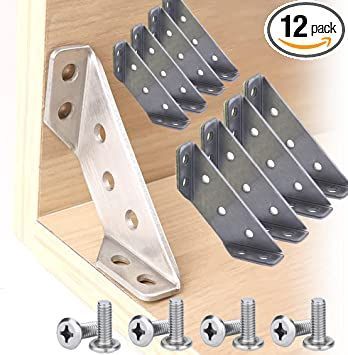
Brackets are hardware devices that are used to support or hold objects in place. They come in various shapes, sizes, and materials, and can be used in a multitude of applications. From simple L-shaped brackets to more complex designs, these pieces are all about functionality. In the world of home improvement, brackets are your unsung heroes, quietly doing the heavy lifting.
Types of Brackets
- L-brackets: These are the most common type, used for corner support.
- Angle brackets: Often used in construction, they provide support at an angle.
- Floating brackets: Perfect for creating a clean, modern look when hanging shelves.
- Heavy-duty brackets: Designed for larger loads, ideal for shelving and furniture.
- Wall brackets: Used to attach various items to walls, such as shelves and TVs.
Why Use Brackets?
Using brackets is essential for ensuring the stability and safety of your structures. They prevent sagging, bending, or collapsing, especially when weight is added. Imagine hanging a shelf without brackets; it would likely droop or fall off the wall, creating a mess and possibly causing injury. With the right brackets, you can create sturdy support systems that enhance both functionality and aesthetics.
Choosing the Right Bracket
Not all brackets are created equal, and selecting the right one for your project is key. Here are some factors to consider when choosing brackets in any carpentry work:
- Material: Brackets come in metal, plastic, and wood. Metal brackets are typically more durable and can support heavier loads, while plastic may be more suitable for lighter applications.
- Load capacity: Always check the weight limit of the bracket, especially if you plan to support heavy items.
- Size and shape: Ensure the bracket fits your specific needs and matches the design of your project.
- Finish: Consider the aesthetic. Brackets come in various finishes, from polished to matte, to blend seamlessly with your decor.
Installing Brackets: A Step-by-Step Guide
Now that you understand the importance of brackets, let’s dive into a practical guide on how to install them effectively.
Materials Needed
- Brackets
- Screws
- Drill
- Screwdriver
- Level
- Measuring tape
- Pencil
Step 1: Measure and Mark
First, measure where you want to place your brackets. Use a pencil to mark the spots on the wall or surface where the brackets will be attached. Being precise here will save you from headaches later on.
Step 2: Pre-drill Holes
Using a drill, pre-drill holes at the marked spots. This step is crucial, especially for harder surfaces like concrete or hardwood.
Step 3: Attach the Bracket
Align the bracket with the pre-drilled holes and use screws to secure it in place. Ensure the bracket is level before fully tightening the screws.
Step 4: Test Stability
Once installed, give the bracket a gentle tug to ensure it’s secure before placing any items on it. Safety first!
Common Mistakes to Avoid
Even the most seasoned DIY enthusiasts can make mistakes. Here are a few common pitfalls to avoid:
- Ignoring load capacity: Always check how much weight your brackets can hold. Overloading can lead to disaster.
- Wrong installation angle: Ensure your brackets are installed at the correct angle. Misalignment can cause instability.
- Using insufficient screws: Always use the recommended number of screws for each bracket to ensure a secure fit.
Frequently Asked Questions
What is the best material for brackets?
It depends on the application. For heavy-duty support, metal brackets are recommended. For light shelving, plastic or wooden brackets may be suitable.
How do I know if my brackets are installed correctly?
After installation, test the stability by gently pulling on the bracket. If it feels secure and there’s no movement, it’s installed correctly.
Can I use brackets outdoors?
Yes, but ensure you choose weather-resistant materials to prevent rust and deterioration from the elements.
How often should I check my brackets?
It’s a good practice to inspect your brackets periodically, especially if they support heavy items. Check for any signs of wear or damage.
In conclusion, brackets may be small components, but they play a significant role in the structural integrity of your projects. With the right knowledge and tools, you can harness their power to create safe and stylish home improvements. So next time you embark on a DIY adventure, don’t forget the importance of those trusty brackets!