
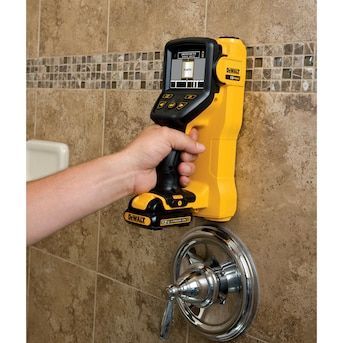
If you’ve ever found yourself staring at a wall, wondering what lies beneath its surface, then you know the importance of a stud finder. This little gadget is a game changer for DIY enthusiasts and home improvement aficionados alike. Whether you’re hanging a picture frame, installing shelves, or mounting a television, a stud finder can save you time, effort, and potential disaster. Let’s take a deep dive into the world of stud finders and explore why they’re a must-have tool in every household.
what is a stud finder and how does it work?
A stud finder, also known as a stud sensor or stud detector, is a device used to locate framing studs behind the walls of your home. These studs are crucial as they provide the necessary support for anything you want to hang. But how does this handy tool actually work?
types of stud finders
There are mainly two types of stud finders: magnetic and electronic. Understanding the differences between them can help you choose the right one for your needs.
- Magnetic stud finders: These devices use magnets to detect the screws or nails that are typically used to attach drywall to the studs. They are usually smaller, simpler, and more affordable.
- Electronic stud finders: These work by measuring the density of the wall. When the device passes over a stud, the density changes, and the finder alerts you with lights or sounds. They can also have additional features such as detecting live wires and pipes.
how to use a stud finder effectively
Using a stud finder might seem straightforward, but there are some tips and tricks to ensure you get the best results:
preparation is key
Before you start scanning your walls for jobs like shelving , make sure the surface is clean and free from any obstructions. This includes removing any pictures, decorations, or furniture that might be in the way.
calibrate your stud finder
Most electronic stud finders require calibration. This usually involves placing the device flat against the wall and pressing a button. Follow the manufacturer’s instructions for best results. Failing to calibrate properly can lead to inaccurate readings.
know your wall type
Different wall types can affect the performance of your stud finder. For instance, if you have a wall with multiple layers, such as plaster over drywall, it may require a more advanced electronic stud finder to penetrate through effectively.
common mistakes when using a stud finder
Even seasoned DIYers can make mistakes when using a stud finder. Here are a few common pitfalls to avoid:
- Not calibrating: As mentioned earlier, failing to calibrate can lead to false positives.
- Moving too quickly: If you scan the wall too fast, the stud finder might not get an accurate reading. Take your time and move slowly.
- Ignoring the beeps: If your stud finder beeps or lights up, pay attention! It’s trying to tell you something important.
the benefits of using a stud finder
Now that you know how to use a stud finder effectively, let’s discuss the benefits of having one in your toolkit:
precision in your projects
With a stud finder, you can locate studs with pinpoint accuracy. This means no more guesswork, which can lead to unnecessary holes in your walls. Not only does this save time, but it also keeps your walls looking neat and clean.
increased safety
Some stud finders come equipped with features that allow you to detect live wires and pipes. This is essential for avoiding electrical shocks or water damage during your projects. Knowing where the hazards are can make all the difference, especially in older homes.
frequently asked questions about stud finders
how do i know if my stud finder is working properly?
To check if your stud finder is functioning correctly, test it on a known stud. If it detects the stud accurately, it’s working well. If not, recalibrate or replace the batteries if it’s electronic.
can i use a stud finder on all wall types?
While most stud finders work on standard drywall, their effectiveness can vary on other materials like plaster or concrete. Always check the specifications of your stud finder to ensure compatibility.
what should i do if my stud finder isn’t detecting anything?
If your stud finder isn’t detecting anything, make sure it’s calibrated correctly and that you’re moving it slowly across the wall. Also, check for any obstructions like thick paint or wallpaper that might interfere with the readings.
the future of stud finders
As technology advances, stud finders are becoming more sophisticated. Some models now come with smartphone connectivity, allowing users to visualize the layout of their walls on an app. Imagine being able to see where all the studs, wires, and pipes are before you even start your project!
In summary, investing in a stud finder is a wise choice for anyone looking to tackle home improvement projects. With its ability to locate studs quickly and accurately, it makes hanging items a breeze while ensuring safety. Don’t underestimate the power of this simple tool—it can make a significant difference in the outcome of your projects!