
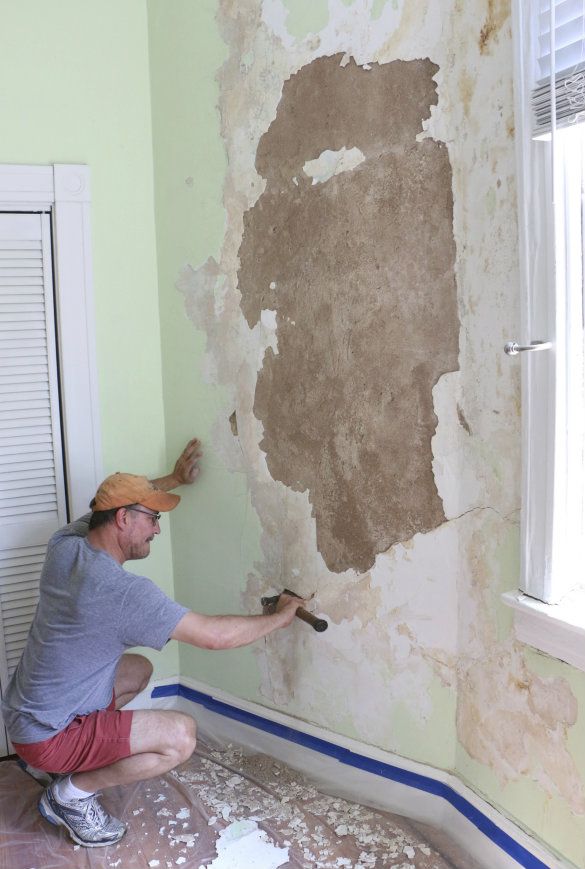
When it comes to home improvement, few materials are as versatile and essential as plaster. Whether you’re looking to repair a damaged wall, create artistic designs, or finish off a new construction project, plaster has been a go-to solution for many homeowners and professionals alike. In this article, I’ll share everything you need to know about plaster, from its types to its applications, and even some tips for working with it effectively.
What is Plaster?
Plaster is a building material made from a mixture of water, an aggregate, and a binder. It has been used for centuries, dating back to ancient civilizations. It serves various purposes, including:
- Creating smooth wall surfaces
- Providing insulation
- Enhancing aesthetic appeal
- Fire resistance
The most common types of plaster are lime plaster, gypsum plaster, and cement plaster. Each type has its unique characteristics and uses, making it essential to choose the right one for your project.
Types of Plaster
Here’s a closer look at the different types of plaster you might encounter:
- Lime Plaster: This is one of the oldest types, made from slaked lime. It’s breathable, making it suitable for older buildings that need to release moisture.
- Gypsum Plaster: Also known as plaster of Paris, this type is quick-setting and great for interior applications. It’s smooth and easy to work with, which is why it’s commonly used for decorative moldings.
- Cement Plaster: This is more durable and weather-resistant, making it suitable for exteriors. It’s often used in areas exposed to moisture.
Applications of Plaster
Plaster can be used in various applications, and understanding these can help you determine how to incorporate it into your home renovation projects. Here are some common uses:
Interior Walls and Ceilings
One of the most popular uses of plaster is in the finishing of interior walls and ceilings. It provides a smooth, even surface that can be painted or wallpapered. Additionally, it can hide imperfections and give a polished look to any room.
Decorative Elements
Plaster can also be molded into intricate designs, allowing homeowners to add unique decorative elements to their spaces. From crown moldings to ceiling medallions, the possibilities are endless.
Repair and Restoration
If you have an older home, chances are you may need to repair cracked or damaged plaster. This process can be a bit tricky, but with the right tools and techniques, you can restore your walls to their former glory.
Working with Plaster: Tips and Tricks
Now that we’ve covered the basics of plaster, let’s dive into some practical tips for working with it effectively.
Preparation is Key
Before you start applying plaster, ensure that the surface is clean and free of dust. If you’re working on a repair, remove any loose material and fill in larger gaps with a suitable filler.
Mixing Plaster
When mixing plaster, follow the manufacturer’s instructions closely. Too much water can weaken the mixture, while too little can cause it to dry too quickly. A consistent, smooth texture is what you’re aiming for.
Application Techniques
Using a trowel, apply a thin layer of plaster to the wall. Start at the top and work your way down, using even strokes. It’s important to work quickly, as plaster sets relatively fast.
Finishing Touches
Once the plaster has set but is still slightly damp, you can use a sponge or a trowel to smooth the surface further. This step will help enhance the overall finish.
Common Mistakes to Avoid
Even seasoned DIYers can make mistakes when working with plaster. Here are some common pitfalls to watch out for:
- Not using a bonding agent: If you’re applying plaster over a non-porous surface, a bonding agent can help the plaster adhere better.
- Applying too thick a layer: Thick layers can lead to cracking as the plaster dries. It’s better to apply several thin coats.
- Ignoring drying times: Be sure to allow adequate drying time between layers. Rushing this process can lead to issues down the line.
Frequently Asked Questions
How long does plaster take to dry?
The drying time for plaster can vary depending on the type and thickness applied. Generally, it can take anywhere from a few hours to a couple of days to fully dry.
Can plaster be painted?
Yes, once plaster is fully dried, it can be painted. Be sure to use a primer designed for plaster surfaces for the best results.
Is plaster water-resistant?
While some types of plaster are more water-resistant than others, it’s generally not recommended to use plaster in areas with high moisture without proper sealing.
Can I repair plaster myself?
Absolutely! Many homeowners successfully repair plaster on their own. However, it’s essential to follow proper techniques and use the right materials.
In conclusion, whether you’re planning a renovation or simply looking to enhance your home’s aesthetic appeal, understanding how to work with plaster can open up a world of possibilities. By choosing the right type and applying it correctly, you can achieve stunning results that will stand the test of time.