If you’re diving into a home improvement project, you might be surprised at how essential a simple tool can be. The **putty knife** is one of those unsung heroes in the handyman world. You might think it’s just a flat piece of metal, but it can work wonders when it comes to various tasks around your home. Whether you’re patching up walls, scraping off old paint, or even smoothing out surfaces, the putty knife is your trusty sidekick. Let’s explore the myriad of uses and tips to make the most out of this indispensable tool.
what is a putty knife?
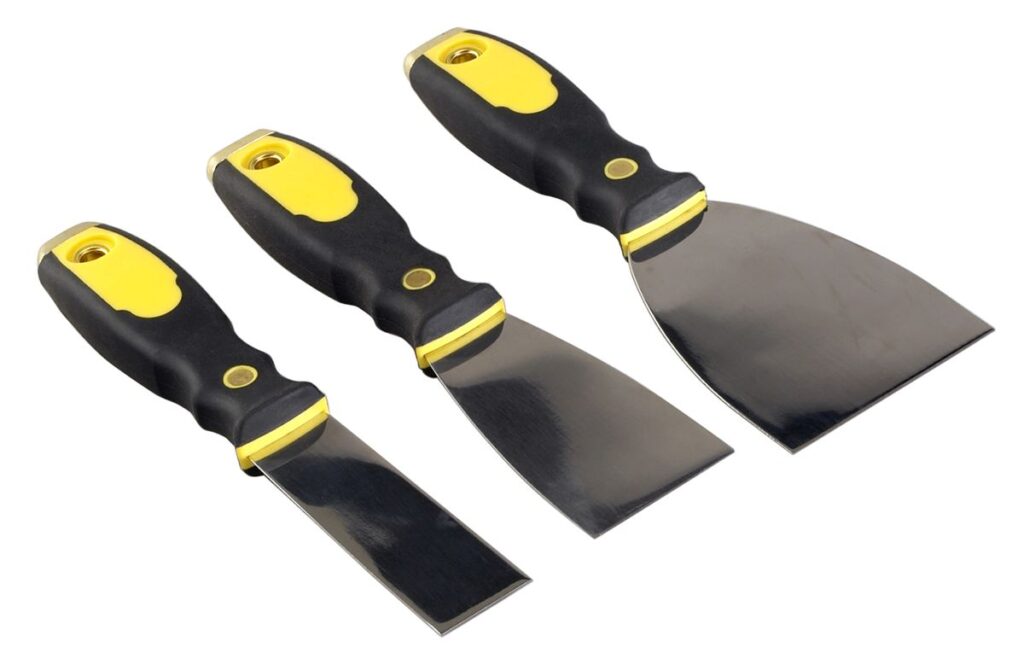
A putty knife is a versatile tool primarily used to apply and smooth putty or spackle on surfaces. Its blade is typically made of metal, and it comes in various widths—commonly ranging from 1 to 6 inches. The handle can be plastic or wood, offering a comfortable grip. While its main function is to apply joint compounds or fill in holes, its uses extend far beyond that.
common uses of a putty knife
- patching walls: The most obvious use for a putty knife is applying spackle or joint compound to fill in holes and imperfections in your walls.
- scraping surfaces: If you’re dealing with old paint or wallpaper, a putty knife can help scrape off the unwanted layers.
- spreading adhesives: Whether it’s tile adhesive or caulk, a putty knife works wonders for evenly spreading these materials.
- removing caulk: Old caulk can be tricky to remove, but a putty knife can help pry it away without damaging the surface beneath.
- cleaning: Use the flat edge to remove dirt and grime from crevices, like those pesky areas around windows and door frames.
how to choose the right putty knife
When it comes to choosing the right putty knife, there are several factors to consider. You want to ensure that it fits comfortably in your hand and suits the tasks you plan to tackle. Here are a few tips:
blade width
Putty knives come in various widths. A narrow blade (1-2 inches) is great for precision work, while a wider blade (4-6 inches) is useful for covering larger areas. Depending on your project, you might want to invest in a couple of different sizes.
blade material
Stainless steel blades are durable and resist rust, making them ideal for long-term use. If you’re on a budget, consider a carbon steel blade, but be aware that they may rust if not cared for properly.
handle comfort
Look for a handle that feels good in your hand. A comfortable grip will make your work easier and reduce the risk of slipping while you’re at it. Ergonomic handles can provide extra comfort during extended use.
tips for using a putty knife effectively
Now that you have your putty knife, here are some practical tips to help you use it effectively:
angle matters
When applying spackle, hold the knife at a slight angle to the surface. This technique allows for smoother application and less waste, ensuring you get an even finish.
apply in layers
If you’re filling a deep hole, it’s best to apply the compound in layers rather than all at once. Allow each layer to dry before applying the next one. This approach will help you achieve a smooth, flush finish.
clean your knife
After each use, clean your putty knife with soap and water to remove any residue. If the compound has dried, use a razor to scrape it off. Keeping your tools clean ensures they work well and last longer.
frequently asked questions about putty knives
can a putty knife be used for anything besides spackling?
Absolutely! A putty knife has a variety of uses, including scraping paint, smoothing adhesive, and even removing old caulk. Its versatility makes it a valuable tool in any handyman’s toolkit.
what’s the difference between a putty knife and a drywall knife?
A putty knife typically has a more flexible blade, while a drywall knife is wider and stiffer. Drywall knives are specifically designed for applying joint compound over large areas, while putty knives are better suited for detailed work and smaller patches.
can I use a putty knife for tiling?
Yes! A putty knife can be used to spread tile adhesive or grout. For larger tiling projects, you might want to use a notched trowel, but a putty knife is still handy for smaller jobs.
how do I maintain my putty knife?
To keep your putty knife in good condition, clean it after each use, and store it in a dry place to prevent rust. If you notice any dullness, you can sharpen the blade with a fine file or sandpaper.
the importance of a putty knife in home repair
The **putty knife** is not just a tool; it’s an essential part of any home repair project. Its ability to handle various tasks makes it indispensable for homeowners and DIY enthusiasts alike. By having a reliable putty knife, you can tackle repairs with confidence, knowing that you have the right tool for the job.
Incorporating a putty knife into your toolkit can save you time and effort in your home improvement projects. Its versatility and ease of use make it a favorite among handymen and DIY lovers. So, next time you’re gearing up for a project, don’t forget to grab your putty knife—it might just become your new best friend in home repair.