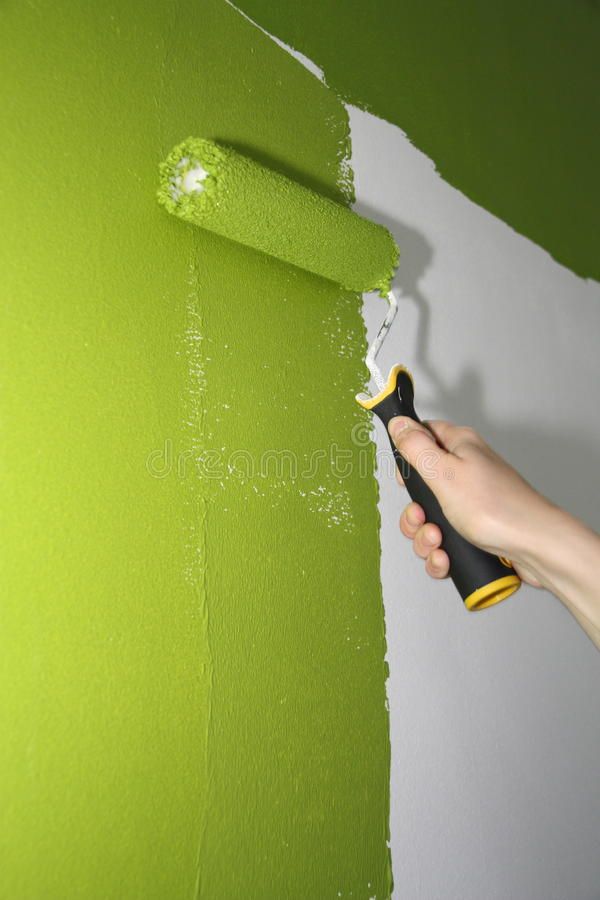
When it comes to painting projects, choosing the right tools can make all the difference. One of the most essential tools in any DIY enthusiast’s arsenal is the paint roller. A paint roller can save you time and effort while providing a smooth finish that brushes simply can’t achieve. But how do you choose the right paint roller for your project? Let’s dive into the world of paint rollers and uncover everything you need to know to get started.
Understanding the Basics of Paint Rollers
Before you rush out to buy a paint roller, it’s essential to understand the different components that make up this tool. A paint roller typically consists of a roller cover, a roller frame, and sometimes an extension pole. Each part plays a significant role in how effectively you can apply paint to your surfaces.
The Roller Cover
The roller cover is the part that actually holds the paint. It comes in various materials, each suited for different types of paint and surfaces. Here’s a quick rundown:
- Nap Thickness: The thickness of the nap affects how much paint is picked up and how smooth the finish will be. Short naps are great for smooth surfaces, while thick naps are better for textured surfaces.
- Material: Roller covers can be made from synthetic fibers or natural materials. Synthetic fibers are ideal for water-based paints, whereas natural materials work well with oil-based paints.
The Roller Frame
The roller frame holds the roller cover in place. It typically comes in different sizes, which can affect how much area you can cover in one stroke. A larger frame can speed up the painting process, but it can also be challenging to maneuver in tight spaces.
Extension Poles
If you’re painting ceilings or high walls, an extension pole can make your life much easier. It allows you to reach those tricky spots without the need for a ladder. Just attach the extension pole to your roller frame, and you’re ready to roll!
Choosing the Right Paint Roller for Your Project
Not all paint rollers are created equal, and selecting the right one can be a game-changer. Here are some tips to help you choose wisely:
Consider the Surface
Are you painting a smooth wall or a textured one? For smooth surfaces, such as drywall, a short nap roller (1/4 inch to 3/8 inch) is typically sufficient. For textured surfaces, a thick nap roller (3/4 inch to 1 inch) will help you get into all the nooks and crannies.
Type of Paint
The type of paint you’re using also plays a significant role in your roller selection. If you’re using water-based paint, a synthetic roller cover is your best bet. For oil-based paints, opt for a natural fiber roller cover to ensure a smooth application.
How to Use a Paint Roller Effectively
Now that you have your tools, it’s time to learn how to use them effectively. Here are some practical tips to help you get the best results:
Preparation is Key
Before you start rolling, make sure to prepare your surfaces. This includes cleaning, sanding, and priming as necessary. Don’t forget to tape off areas you don’t want to paint, such as trim or windows.
Load the Roller Properly
To get an even coat, it’s crucial to load your roller correctly. Dip the roller into the paint tray, then roll it along the ridged section of the tray to remove excess paint. A roller that’s too saturated will drip, while one that’s too dry won’t apply enough paint.
Use a W Pattern
When applying paint, use a “W” or “M” pattern. This technique helps distribute the paint evenly and minimizes roller marks. After creating the pattern, fill in the gaps by rolling up and down.
Common Mistakes to Avoid
Even the most experienced DIYers can make mistakes when using a paint roller. Here are some common pitfalls to avoid:
Skipping Primer
Using primer can make a world of difference, especially when painting over dark colors or uneven surfaces. Don’t skip this essential step!
Overloading the Roller
It can be tempting to apply a lot of paint at once, but this can lead to drips and uneven coverage. Remember, less is often more!
Neglecting Cleanup
Once you’re done, it might be tempting to leave everything as is. However, cleaning your tools immediately after use will prolong their life and ensure they’re ready for your next project.
Frequently Asked Questions
What is the best roller for painting walls?
The best roller for painting walls typically has a medium nap (3/8 to 1/2 inch) to balance coverage and smoothness, making it ideal for most interior walls.
Can I use a paint roller for ceilings?
Yes, a roller can be used for ceilings. Consider using a roller with a longer nap to help navigate the texture of the ceiling surface.
How can I prevent roller marks?
To prevent roller marks, ensure you are applying an even amount of paint and use the “W” pattern for application. Additionally, avoid overloading the roller.
With the right paint roller and techniques, your next painting project can be a breeze. Whether you’re transforming a room or just touching up some areas, understanding how to use a paint roller effectively will lead to impressive results. Now that you’re equipped with all this knowledge, it’s time to grab your supplies and get rolling!