When it comes to painting, one essential product often overlooked is primer. Many people think that simply picking a paint color is enough, but in reality, using primer can make a significant difference in the final result. In this article, I will share my insights and experiences regarding the importance of primer, how to choose the right one, and tips for applying it effectively.
What is Primer and Why is it Important?
Primer is a preparatory coating applied before painting. Its primary purpose is to create a smooth surface that enhances paint adhesion. Without primer, paint may not adhere properly, leading to peeling, bubbling, or uneven color. Consider it the unsung hero of any painting project!
Types of Primer
- Oil-based primer: Known for its strong adhesion and ability to block stains, oil-based primers are ideal for wood and metal surfaces.
- Water-based primer: Easier to clean up and less odorous, water-based primers are perfect for drywall and previously painted surfaces.
- Shellac primer: This type is excellent for blocking severe stains and odors, making it suitable for smoke-damaged or water-stained surfaces.
Choosing the Right Primer for Your Project
Choosing the right primer can be daunting, but it doesn’t have to be. Consider the surface you will be painting, the type of paint you will use, and the specific needs of your project. Here are some tips:
Assess Your Surface
Different surfaces require different primers. For example, if you are working with bare wood, an oil-based primer will provide the best adhesion and stain-blocking properties. On the other hand, if you are painting over a previously painted wall, a water-based primer is often sufficient.
Consider the Environment
In a humid environment like Miami, moisture-resistant primers are available. This is crucial for preventing mold growth and ensuring that your paint job lasts. Always check the label for any environmental considerations.
How to Apply Primer Effectively
Applying primer is not just about slapping it on; there are techniques to maximize its effectiveness. Here are some practical tips I’ve learned over the years:
Preparation is Key
Before applying primer, ensure the surface is clean, dry, and free of any debris. Use a mild detergent and water to clean the area, and make sure to let it dry completely.
Use the Right Tools
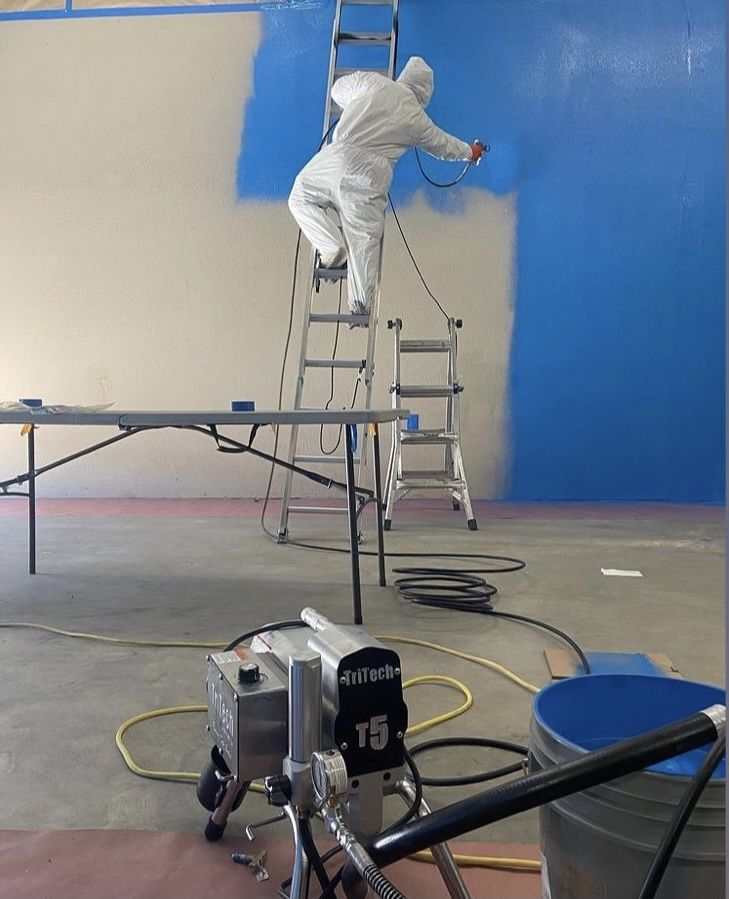
Brushes, rollers, and sprayers all have their advantages when applying primer. For smooth surfaces, a high-quality roller is ideal. For corners and intricate areas, a brush will do the trick. If you’re feeling adventurous, a sprayer can provide an even coat quickly.
Apply Evenly
Always apply primer in thin, even coats. This not only helps with adhesion but also avoids drips and uneven patches. If necessary, apply a second coat after the first has dried fully.
Common Primer Mistakes to Avoid
Even seasoned DIYers make mistakes when it comes to primer. Here are some common pitfalls to watch out for:
Skipping Primer
One of the biggest mistakes is skipping primer altogether. While it may seem like an unnecessary step, not using primer can lead to poor paint adhesion and a less-than-perfect finish.
Using the Wrong Type of Primer
Choosing the wrong primer can often negate the benefits. Always match the primer to the surface and the final paint. If in doubt, ask for advice at your local hardware store.
Not Allowing Enough Drying Time
Patience is a virtue, especially when it comes to painting. Not allowing enough time for the primer to dry can ruin your paint job. Follow the manufacturer’s instructions for drying times.
Frequently Asked Questions about Primer
Can I use primer as a final coat?
While primer can provide a decent finish, it is not designed to be a final coat. Always follow up with paint for a durable and aesthetically pleasing result.
How long does primer take to dry?
Drying times can vary based on the type of primer, humidity, and temperature. Generally, water-based primers dry to the touch in about an hour, while oil-based primers may take several hours.
Is it necessary to sand after priming?
Sanding after priming is not always necessary, but it can create a smoother surface for painting. If the primer has dried with a rough texture, a light sanding can help.
The Final Touches
After priming, your surface will be ready for paint. Remember that taking the time to properly prime your surfaces can elevate your painting project from good to great. It’s like laying the foundation of a house; without it, everything else may crumble.
In summary, primer is an essential part of any painting project. By understanding its importance, choosing the right type, and applying it correctly, you can ensure that your paint adheres well and looks fantastic for years to come. Happy painting!