
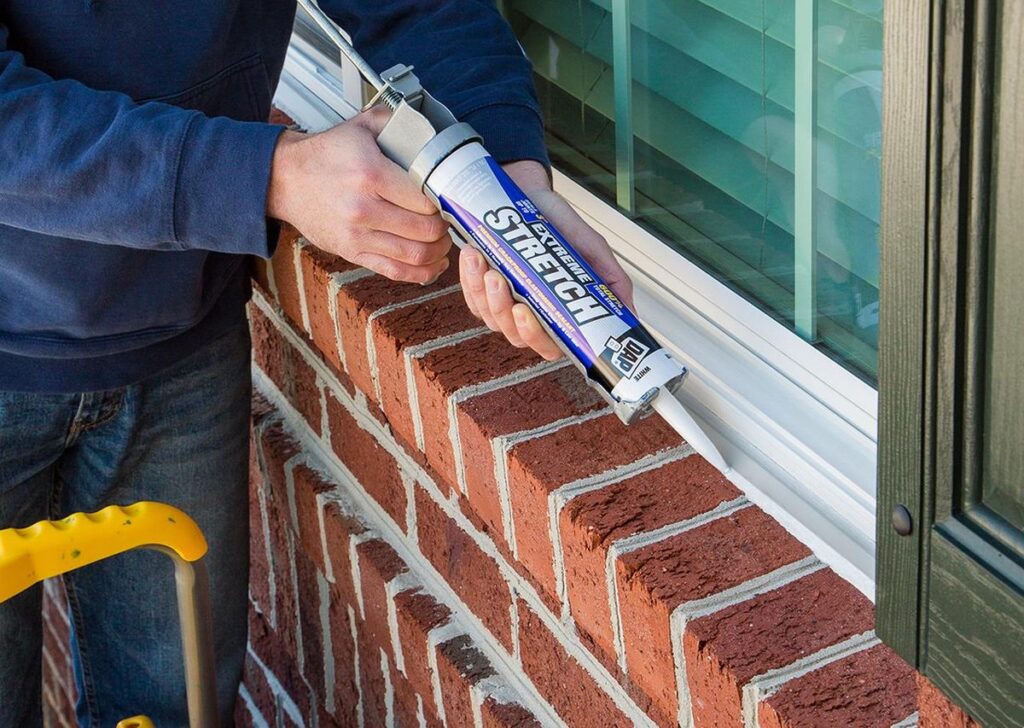
As a handyman operating in the vibrant city of Miami, I’ve encountered numerous projects where a reliable caulking compound has proven to be an essential tool. The importance of using the right caulking compound cannot be overstated; it serves as a barrier against moisture, air, and even pests, making it a crucial element in maintaining the integrity of your home or workspace. Whether you’re sealing gaps in windows, doors, or bathrooms, understanding the different types and applications of caulking compounds can save you time and money in the long run.
what is caulking compound?
Caulking compound is a flexible sealing material used to fill gaps and cracks in various surfaces. Typically made from a combination of polymers and additives, it can be applied in a liquid form and dries to a solid state. This product is particularly effective in preventing air leaks and water intrusion, which can lead to energy loss and structural damage.
how does caulking work?
The magic of caulking lies in its ability to adhere to surfaces and create a durable seal. When applied correctly, caulking compounds can expand and contract with temperature changes, maintaining their seal over time. This adaptability is crucial in Miami’s humid climate, where temperature fluctuations are common.
different types of caulking compounds
There are several types of caulking compounds available on the market, each designed for specific applications. Below are the most common types:
- Silicone caulk: Known for its excellent flexibility and waterproof properties, silicone caulk is ideal for wet areas like bathrooms and kitchens.
- Acrylic caulk: Water-based and easy to paint over, acrylic caulk is perfect for indoor use, especially in non-wet areas.
- Latex caulk: Similar to acrylic, latex caulk is easy to clean up and can be used in various applications.
- Polyurethane caulk: This type offers superior adhesion and is often used for outdoor applications due to its durability.
- Fire-resistant caulk: Essential for safety, this caulk is used in areas where fire resistance is necessary.
choosing the right caulking compound
When deciding on a caulking compound, consider the following factors:
- Location: Indoor or outdoor use?
- Moisture exposure: Will it be in contact with water?
- Paintability: Do you need to paint over the caulk?
- Flexibility: Is the area subject to movement or temperature changes?
the application process
Applying caulking is a straightforward process, but a few key steps can ensure a professional finish:
- Prepare the surface: Clean the area thoroughly to remove dust and debris.
- Cut the nozzle: Cut the caulk tube nozzle at a 45-degree angle for optimal flow.
- Apply the caulk: Use a steady hand to fill the gap, ensuring even coverage.
- Tool the caulk: Smooth the caulk with your finger or a caulking tool for a neat finish.
- Allow to cure: Follow the manufacturer’s instructions for curing time.
common mistakes to avoid
Even seasoned handymen can make mistakes when applying caulking. Here are a few pitfalls to avoid:
- Not preparing the surface properly.
- Using the wrong type of caulk for the job.
- Overfilling or underfilling gaps.
- Neglecting to smooth the caulk for a clean finish.
frequently asked questions about caulking compound
how long does caulking last?
The lifespan of caulking can vary depending on the type used and the conditions it’s exposed to. Generally, silicone and polyurethane caulks can last up to 20 years, while acrylics may need to be replaced every 5-10 years.
can I paint over caulk?
Yes, but it’s essential to use paintable caulk, such as acrylic or latex. Silicone caulk typically cannot be painted, so always check the label before application.
is caulking necessary?
Absolutely! Caulking is a crucial step in maintaining your home’s energy efficiency and preventing water damage. Skipping this step can lead to costly repairs down the line.
maintaining your caulking
To ensure the longevity of your caulking, regular inspections should be conducted. Look for signs of wear, such as cracks or peeling. If you notice any damage, it’s wise to reapply caulk promptly. Additionally, cleaning the caulk can help maintain its appearance and effectiveness, especially in areas prone to mold or mildew.
the cost of caulking
The cost of caulking can vary based on the type of compound and the size of the project. On average, you can expect to spend anywhere from $5 to $30 per tube of caulk, with labor costs added if you hire a handyman. It’s often a small price to pay compared to the potential costs of water damage or energy loss.
In summary, caulking compounds are a vital component of home maintenance that provide significant benefits. Whether you’re a DIY enthusiast or hiring a professional, understanding the different types of caulking and their applications will empower you to make informed decisions. Remember, a little caulk can go a long way in protecting your home!