If you’ve ever found yourself in a situation where a picture frame needs to be hung, furniture assembled, or a quick repair made, you might have come across the term brad nails. These little fasteners may not seem like much at first glance, but they play a vital role in countless projects around the house. In this article, we’re going to dive deep into what brad nails are, how they are used, and why having a good supply of them can make a handyman’s life a lot easier.
What are brad nails?
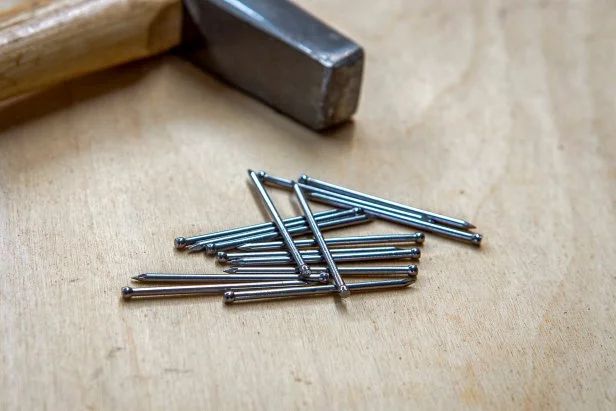
Brad nails are thin, small nails that are typically used in finishing work, such as attaching trim, moldings, and other delicate materials. They are generally made from steel and are available in various lengths, usually ranging from 1 inch to 2 inches. Unlike their heavier counterparts, like finishing nails, brad nails are less likely to split the wood, which makes them perfect for those intricate projects where appearance matters.
The history behind brad nails
The history of brad nails is quite fascinating. They were developed as a solution for carpenters and DIY enthusiasts who needed a way to attach lightweight materials without leaving large holes. Over the years, the manufacturing process has evolved, making them more durable and easier to use. Today, they are an essential part of any handyman’s toolkit.
Why choose brad nails for your projects?
When it comes to fastening options, brad nails offer several advantages:
- Minimal damage: Because of their size, brad nails leave much smaller holes compared to larger nails, which makes them less noticeable in finished work.
- Easy to use: They can be easily driven into the material with a brad nail gun, requiring less force and making them beginner-friendly.
- Versatile: Brad nails can be used on a wide variety of materials, including softwood, hardwood, and even some composites.
Types of brad nails
There are several types of brad nails available, each designed for specific applications. Here are a few of the most common:
- Standard brad nails: These are the most commonly used and are suitable for most general applications.
- Coated brad nails: These have a special coating that helps improve grip and reduce the likelihood of rust.
- Galvanized brad nails: These are specifically designed for outdoor projects, as they resist corrosion and rusting.
How to use brad nails effectively
Using brad nails might seem straightforward, but there are a few tips and tricks that can help ensure your project turns out perfectly:
- Choose the right length: Make sure to select a brad nail that is appropriate for the thickness of the materials you are working with. As a rule of thumb, the nail should penetrate at least half the thickness of the base material.
- Use the right tool: A brad nail gun is highly recommended for driving nails quickly and accurately. It saves time and effort, especially for larger projects.
- Pre-drill if necessary: In some cases, especially with hardwoods, pre-drilling a small hole can help prevent splitting.
Common applications for brad nails
Brad nails are incredibly versatile and can be used in various applications:
- Trim work: Whether it’s baseboards, crown molding, or window casings, brad nails are perfect for securing trim without causing damage.
- Furniture assembly: When building, repairing furniture or doing cabinet installation, brad nails can provide the necessary support without overwhelming the structure.
- Craft projects: For more delicate materials like paper or thin wood, brad nails work wonders in holding components together.
Comparing brad nails to other types of nails
It’s helpful to understand how brad nails stack up against other options:
- Finish nails: Finish nails are thicker and longer, making them better for heavier applications, but they can leave larger holes.
- Staples: While staples are great for certain applications, they don’t have the same aesthetic appeal as brad nails.
- Wood screws: Wood screws provide a stronger hold but require pre-drilling and can be time-consuming to use.
Frequently asked questions about brad nails
Let’s tackle some common questions to clear up any confusion:
Can brad nails hold heavy objects?
While brad nails are great for lightweight applications, they are not designed for heavy-duty tasks. For heavier objects, consider using finish nails or screws.
Do I need a special gun for brad nails?
While you can hammer them in manually, a brad nail gun is highly recommended for efficiency and accuracy. It makes the process much easier!
How do I remove brad nails without damaging the wood?
Using a pry bar or a pair of pliers works best. Gently wiggle the bar under the nail head and lift it out. Take your time to minimize damage.
Conclusion
In summary, brad nails are an invaluable tool in any handyman’s arsenal. Their ease of use, versatility, and minimal damage characteristics make them perfect for a wide array of projects. Whether you’re hanging a picture frame or building a piece of furniture, having a good stock of brad nails can make your work smoother and more enjoyable. So, next time you’re at the hardware store, don’t forget to pick up a box or two!