
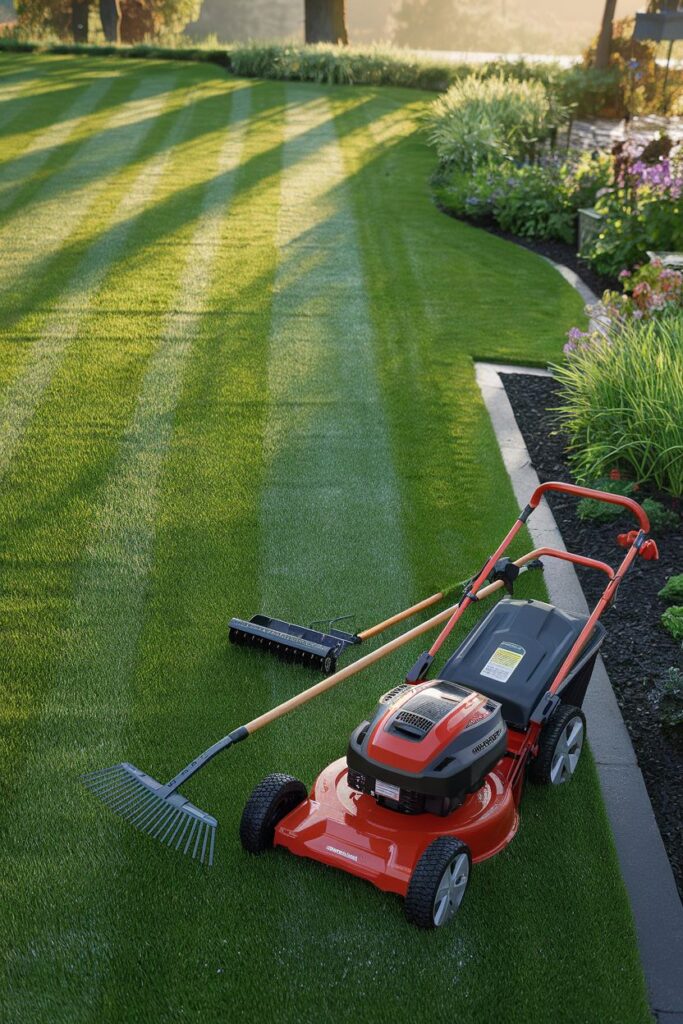
Taking care of your lawn is not just about cutting the grass; it’s about creating a vibrant, healthy outdoor space that enhances the beauty of your home. Whether you are a seasoned gardener or just starting, understanding how to care for your lawn can make a significant difference. In this article, we’ll explore essential tips and tricks for maintaining a lush lawn that can be the envy of your neighborhood. This guide will focus on the various aspects of lawn care, allowing you to enjoy a greener and more beautiful yard.
The Basics of Lawn Care
When it comes to lawn care, the basics include proper watering, mowing, and fertilizing. Each of these components plays a crucial role in keeping your lawn healthy.
Watering Your Lawn
Watering is one of the most critical aspects of lawn care. A common rule of thumb is to provide about one inch of water per week, including rainfall. Here are some tips:
- Water early in the morning: This helps reduce evaporation and fungal diseases.
- Deep watering: Encourage deep root growth by watering less frequently but more deeply.
- Check the soil: Use a screwdriver to test the soil’s moisture. If it goes in easily, your lawn is adequately watered.
Mowing Techniques
Mowing is not just about keeping your lawn neat; it’s essential for its health. Follow these tips to mow effectively:
- Keep your mower blade sharp: Dull blades can tear grass, making it more susceptible to disease.
- Set the right height: Different grass types have different ideal mowing heights. Generally, cutting too short can stress the grass.
- Vary your mowing pattern: Changing the direction in which you mow each time can help prevent soil compaction.
The Importance of Fertilizing
Fertilizing your lawn is another critical aspect of lawn care. Nutrient-rich soil supports healthy grass growth and resilience. Here’s what you need to know:
Choosing the Right Fertilizer
Understanding the different types of fertilizers available can make a world of difference. Here are a few key points:
- Organic vs. synthetic: Organic fertilizers release nutrients slowly, while synthetic options act quickly.
- Read the labels: Look for the N-P-K ratio (Nitrogen, Phosphorus, Potassium) that best suits your grass type.
- Timing is essential: Fertilize during the growing season for your specific grass type.
Soil Testing
To provide the best care for your lawn, consider conducting a soil test. This will help you understand the nutrient levels and pH balance, allowing you to amend your soil appropriately.
Weed and Pest Control
No lawn is complete without dealing with pesky weeds and pests. Here are some effective strategies for managing them:
Weed Management
- Pre-emergent herbicides: These can prevent weed seeds from germinating.
- Hand pulling: For small infestations, nothing beats the good old-fashioned method of pulling weeds by hand.
- Maintain healthy grass: A thick, healthy lawn can outcompete many weeds.
Pest Control
For pest control, consider integrated pest management (IPM) strategies. This approach combines multiple methods for the best results:
- Natural predators: Encourage birds and beneficial insects that feed on pests.
- Traps: Use traps for more invasive pest species.
- Chemical options: As a last resort, use pesticides that are targeted and safe for your lawn.
Seasonal Lawn Care Tips
Seasonal changes mean that lawn care will vary throughout the year. Here’s a month-by-month guide:
Spring
- Start with a thorough cleanup of debris.
- Fertilize and aerate your lawn as needed.
- Begin regular mowing as growth picks up.
Summer
- Adjust watering schedules to accommodate heat.
- Watch for pests and weeds; apply treatments as necessary.
- Consider a second round of fertilization.
Fall
- Rake leaves and debris to keep the lawn healthy.
- Overseed thin areas to promote growth.
- Prepare for winter with a final round of fertilization.
Winter
- Keep the lawn clear of heavy snow or ice.
- Limit foot traffic on dormant grass to avoid damage.
- Plan spring projects or improvements.
Frequently Asked Questions
How often should I mow my lawn?
The frequency of mowing depends on the growth rate of the grass. Generally, mowing once a week during the growing season is recommended, but you may need to mow more or less depending on the weather and grass type.
What is the best time to water my lawn?
The best time to water your lawn is early in the morning, as this allows the grass to absorb moisture before the heat of the day causes evaporation.
How can I tell if my lawn needs fertilizer?
Signs that your lawn may need fertilizer include yellowing grass, thin patches, or overall poor growth. A soil test can also provide insights into nutrient deficiencies.
Can I use leftover kitchen scraps as fertilizer?
Yes, kitchen scraps like vegetable peels and coffee grounds can be composted and used to enrich the soil, providing a nutrient boost to your lawn.
By following these tips and understanding the basics of lawn care, you can ensure that your lawn remains a beautiful and inviting space for you and your family. With a little effort and the right techniques, your lawn can thrive, providing enjoyment for all who step into your outdoor haven. Call us, for handyman in Miami there is no job too big or too small.