When the sun shines brightly in Miami, it’s easy to forget about the importance of your roof. However, if you find yourself asking, “Can I really repair the roof myself?”, you’re not alone. Many homeowners contemplate taking on this task, especially when facing leaks or damage that could lead to more significant issues.
If the repair becomes too risky or requires proper tools and experience, it’s best to hire a professional roofing installation and repair in Miami to ensure the job is done safely and correctly.
But before you grab your tools and climb up there, let’s dive into the ins and outs of DIY roof repair.
Understanding the Basics of Roof Repair
First things first, understanding your roof is crucial. Different roofing materials require different approaches. Whether you have asphalt shingles, metal roofing, or tiles, each comes with its unique set of challenges.
Identify the Problem
The initial step in any repair is identifying the problem. Look for signs of damage such as:
-
Missing or broken shingles
-
Leaks or water stains on the ceiling
-
Granules from shingles in gutters
-
Moss or algae growth
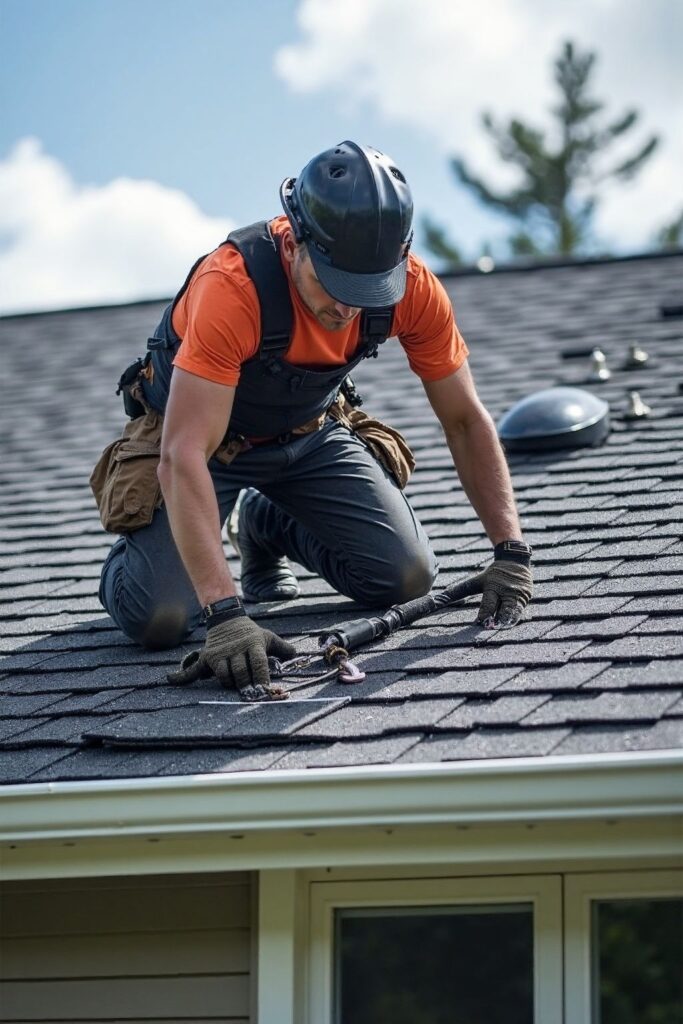
Once you’ve pinpointed the issue, it’s time to decide if a DIY approach is feasible. Remember, safety first! A sturdy ladder, proper footwear, and a safety harness are essential before you even think about climbing up.
Gathering Your Tools and Materials
If you decide to go ahead with the repair, gathering the right tools is vital. Here’s a handy checklist:
-
Roofing nails
-
Shingles or patches
-
Roofing cement
-
Utility knife
-
Hammer
-
Caulking gun
Having everything ready before you start will save you both time and frustration.
Safety Precautions
As mentioned, safety should always be a priority. In addition to wearing appropriate footwear and using a harness, consider these tips:
-
Never work alone; have someone else around
-
Check the weather forecast
-
Make sure your ladder is stable and on level ground
Step-by-Step Guide to DIY Roof Repair
Now, let’s get down to the nitty-gritty of how to repair your roof yourself. Follow these steps carefully.
Step 1: Remove Damaged Shingles
Using your utility knife, carefully cut around the damaged shingles. Make sure to remove any nails that might still be holding them in place.
Step 2: Install New Shingles
Once the old shingles are removed, lay down the new shingles. Ensure they overlap properly with the existing ones to prevent leaks.
Step 3: Apply Roofing Cement
After securing the shingles, apply roofing cement around the edges. This will help seal any gaps and provide extra protection.
For more complex repairs or to avoid costly mistakes, working with experienced roofing professionals can help ensure long-lasting and safe results.
Step 4: Inspect Your Work
Once everything is in place, take a step back and inspect your work.
Common Mistakes to Avoid
-
Not wearing safety gear
-
Ignoring local building codes
-
Failing to account for weather conditions
-
Rushing through the repair
When to Call a Professional
While many roof repairs can be done yourself, some situations require expert help. If your roof has extensive damage, is steep, or if you simply don’t feel confident in your skills, it’s best to work with professionals who can handle the job correctly.
Cost Considerations
One of the main reasons homeowners consider DIY repairs is cost. However, it’s essential to weigh the potential savings against the risks of doing it yourself.
Frequently Asked Questions
Can I really repair the roof myself?
Yes, many homeowners can tackle minor roof repairs if they have the right tools and skills. However, it’s essential to assess your comfort level and the extent of the damage.
Conclusion
In summary, repairing the roof yourself can be a rewarding experience, but it’s essential to approach it with caution. By understanding the basics, following safety precautions, and knowing when to call for help, you’ll be well on your way to a safer, more secure home.
Need help with roof repairs or maintenance? Call Handyman in Miami today for reliable roofing installation and repair services you can trust.