When it comes to maintaining a lush, green lawn, sprinkler systems play an essential role. As a homeowner, you might feel overwhelmed by the options available for watering your garden effectively. But fear not! In this article, I will walk you through everything you need to know about sprinkler systems, their benefits, types, installation tips, and maintenance to keep your lawn looking its best.
Understanding Sprinkler Systems
Sprinkler systems are irrigation systems designed to distribute water evenly over your lawn and garden. They can be automatic or manual, with each type offering unique advantages. The right system can save you time, conserve water, and ensure your plants receive adequate hydration.
Why Choose a Sprinkler System?
Investing in a sprinkler system comes with numerous benefits:
- Convenience: Automatic systems can be programmed to water at specific times, freeing you from the need to do it manually.
- Efficiency: Properly designed systems reduce water waste by targeting specific areas of your lawn.
- Consistent Coverage: Sprinklers ensure that every part of your garden receives the same amount of water, promoting healthy growth.
- Increased Property Value: A well-maintained yard can significantly boost your home’s curb appeal.
Types of Sprinkler Systems
There are several types of sprinkler systems to consider, each with its own pros and cons. Let’s explore the most common ones:
1. Fixed Spray Sprinklers
These sprinklers are ideal for small areas and gardens. They produce a fan-shaped pattern and are typically used for flower beds and shrubbery. Fixed spray sprinklers are easy to install and can be adjusted to cover specific areas.
2. Rotor Sprinklers
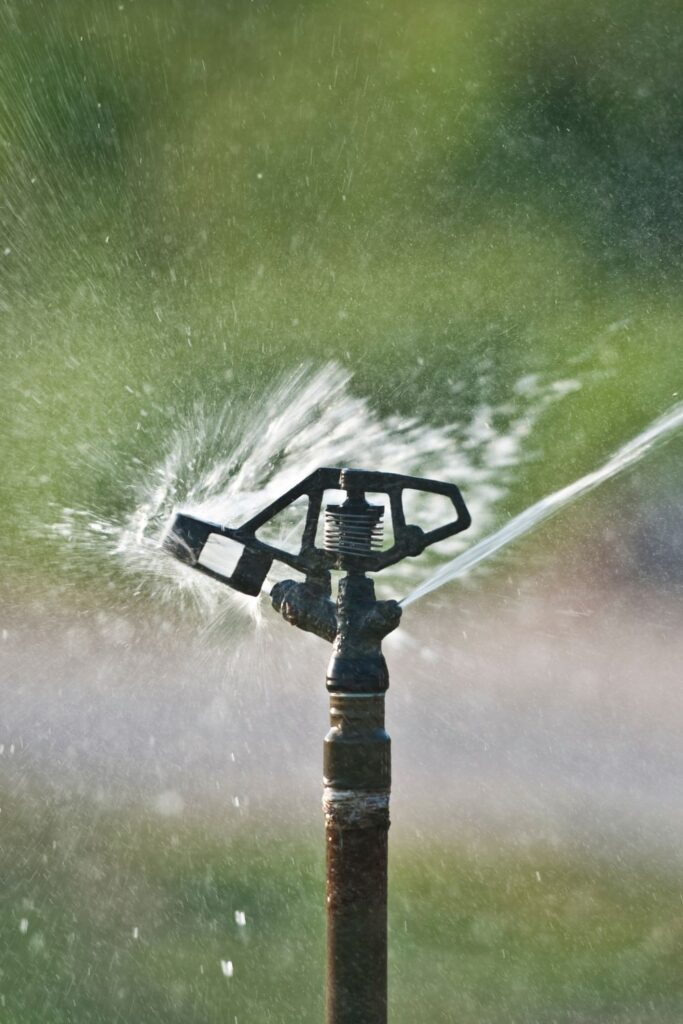
Rotor sprinklers are suitable for larger areas. They rotate as they spray water, providing a more thorough coverage compared to fixed spray sprinklers. They are perfect for lawns and can be set to different ranges and patterns.
3. Drip Irrigation Systems
If you’re looking for an efficient way to water your garden while conserving water, consider a drip irrigation system. These systems deliver water directly to the plant’s roots, minimizing evaporation and runoff.
4. Soaker Hoses
Soaker hoses are porous hoses that allow water to seep out slowly. They are great for vegetable gardens and flower beds, providing a gentle watering method that prevents soil erosion.
Installing Your Sprinkler System
Installing a sprinkler system doesn’t have to be a daunting task. Here are some practical steps to guide you through the process:
1. Planning Your Layout
Before you start digging, sketch a layout of your yard. Note the locations of trees, flower beds, and any other obstacles. You’ll want to ensure that all areas receive adequate coverage.
2. Choosing the Right Components
Depending on the type of sprinkler system you choose, you’ll need various components, including:
- Sprinkler heads
- Pipes and connectors
- Valves
- Controllers or timers
3. Installation Steps
Follow these steps for installation:
- Dig trenches for the pipes, ensuring they’re deep enough to avoid damage from lawn maintenance.
- Install the pipes and connect the sprinkler heads based on your layout.
- Set up the controller or timer to automate the watering schedule.
- Test the system to ensure proper operation and coverage.
Maintaining Your Sprinkler System
Once your sprinkler system is in place, it’s crucial to maintain it to ensure it operates efficiently:
1. Regular Inspections
Check your system regularly for leaks, clogs, or broken sprinkler heads. Early detection can save you from more extensive repairs later on.
2. Seasonal Adjustments
Adjust your watering schedule according to the seasons. During hotter months, your lawn may require more water, while in cooler months, it may need less.
3. Winterization
In colder climates, it’s essential to winterize your sprinkler system to prevent freezing and damage. This typically involves draining the system and insulating exposed pipes.
FAQs About Sprinkler Systems
What is the average cost of installing a sprinkler system?
The cost can vary widely based on the size of your yard and the type of system you choose. On average, homeowners can expect to spend between $2,000 and $4,000 for a complete installation.
How often should I water my lawn?
Most lawns require about 1 inch of water per week, either from rainfall or irrigation. Adjust your watering based on weather conditions and the type of grass you have.
Can I install a sprinkler system myself?
Yes, many homeowners choose to install their sprinkler systems as a DIY project. However, if you’re not confident in your abilities, hiring a professional can ensure proper installation.
How do I know if my sprinkler system is working efficiently?
Monitor the coverage of your system. Look for dry spots in your lawn or areas receiving too much water. You can also use rain gauges to measure how much water is being distributed.
What are some common mistakes to avoid?
Some common mistakes include not planning the layout properly, installing the wrong type of sprinkler for your garden size, and neglecting regular maintenance.
In conclusion, investing in a sprinkler system can save you time, water, and effort while ensuring that your lawn remains healthy and vibrant. By understanding the types available of commercial sprinkler systems , planning your installation carefully, and maintaining your system, you can enjoy a beautiful garden all year round.
Need help with home maintenance or outdoor improvements? Call Handyman in Miami today for reliable and affordable handyman services you can trust.