If you’re thinking about tackling a DIY insulation installation project, you’re not alone! Many homeowners are discovering the benefits of adding insulation to their homes to improve energy efficiency and comfort. In this article, I’ll walk you through the steps of DIY insulation installation, sharing tips and tricks along the way to make the process smoother and more enjoyable. Let’s dive into the world of insulation!
Understanding the Importance of Insulation
Before jumping into the DIY insulation installation, it’s essential to understand why insulation is critical in the first place. Insulation helps to regulate the temperature inside your home by slowing the transfer of heat between the inside and outside. This means that in the hot Miami summer, your home stays cooler, and in the winter, it retains warmth. Plus, proper insulation can significantly reduce your energy bills!
Types of Insulation
- Fiberglass Insulation: Widely used and usually comes in batts or rolls.
- Foam Board Insulation: Great for exterior walls and basements.
- Spray Foam Insulation: Expands to fill gaps but requires special equipment.
- Cellulose Insulation: Made from recycled paper, it’s an eco-friendly option.
Tools and Materials Needed
Gathering the right tools and materials can make your DIY insulation installation project much easier. Here’s what you’ll need:
- Insulation material (choose based on your needs)
- Utility knife
- Measuring tape
- Stapler or adhesive
- Protective gear (gloves, goggles, and a mask)
- Stud finder
- Drywall saw (if you’re cutting into walls)
Preparation: Measure and Cut
Once you have all your materials, start by measuring the area where you’ll be installing the insulation. Use a measuring tape to determine the width and height of the space. When you have your measurements, cut your insulation material to fit. Make sure to wear your protective gear during this process to avoid any accidents or irritations.
Installing Insulation in Walls
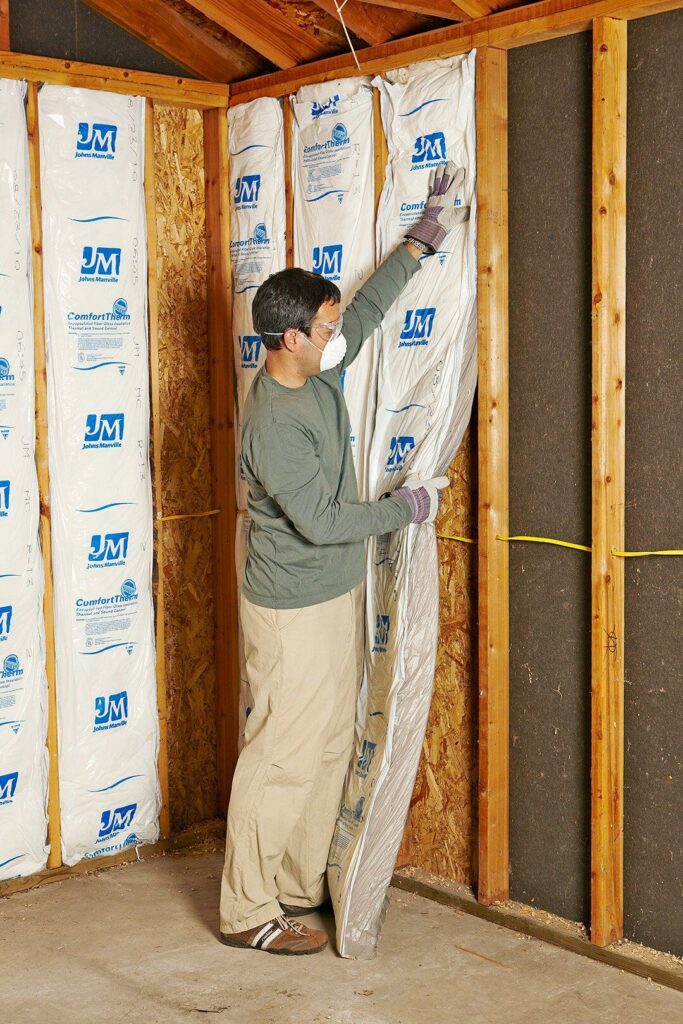
To install insulation in walls, follow these steps:
- Use a stud finder to locate the studs in your wall.
- Cut your insulation to fit snugly between the studs.
- Insert the insulation into the wall cavity, ensuring it fits tightly without compression.
- Use a stapler to secure the insulation if needed.
Insulating Attics and Crawl Spaces
Attics and crawl spaces are often where a significant amount of heat loss occurs. Here’s how to insulate these areas:
Attic Insulation
For attics, the process is relatively straightforward. Begin by laying down a vapor barrier if your insulation requires it. Then, follow these steps:
- Roll out the insulation material across the joists, making sure it covers the entire area.
- For fiberglass batts, ensure there are no gaps between pieces.
- Use insulation supports if needed to hold the material in place.
Crawl Space Insulation
Insulating a crawl space may seem daunting, but it can be achieved with a little patience:
- Start by cleaning the crawl space and removing any debris.
- Install a vapor barrier on the ground to prevent moisture from seeping in.
- Attach insulation to the walls of the crawl space, ensuring it’s secured and fits well.
Finishing Touches and Safety Tips
After your insulation is installed, it’s time to seal everything up. Use drywall or another covering material to secure the insulation in place. Additionally, ensure that you follow safety protocols throughout the process:
- Wear a mask to avoid inhaling any insulation particles.
- Take breaks and stay hydrated, especially in the Miami heat.
- Don’t hesitate to ask for help if you feel overwhelmed.
FAQ About DIY Insulation Installation
What is the best type of insulation for my home?
The best type of insulation depends on your specific needs. For example, fiberglass batts are great for walls, while spray foam is ideal for sealing gaps.
Do I need a permit for insulation installation?
In most cases, insulation installation does not require a permit, but it’s always best to check with your local regulations in Miami.
How long does the installation process take?
The time it takes to install insulation can vary widely depending on the area being insulated, but most DIY projects can be completed in a weekend.
Can I install insulation on my own?
Yes! With the right tools and preparation, DIY insulation installation is entirely feasible for most homeowners.
Final Thoughts
Embarking on a DIY insulation installation project can be a rewarding experience. Not only will you improve your home’s energy efficiency, but you’ll also gain a sense of accomplishment. Remember to take your time, follow safety precautions, and enjoy the process!
Need help with installation or home improvements? Call Handyman in Miami today for reliable and affordable handyman services you can trust.