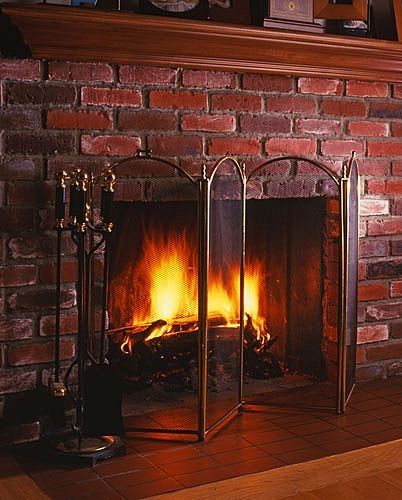
As the seasons change and the evenings grow cooler, many of us look forward to cozy nights spent by the fireplace. However, maintaining a clean and safe fireplace is essential for both aesthetics and functionality. In this guide, I will share some practical tips on how to clean your fireplace effectively, ensuring that it remains a warm and inviting feature in your home.
If this task becomes too difficult or requires the right tools and experience, it’s best to hire a professional handyman service in Miami to ensure the job is done safely and correctly.
Understanding Your Fireplace
Before diving into the cleaning process, it’s crucial to understand the type of fireplace you have. Different fireplaces, such as wood-burning, gas, or electric, require different cleaning approaches. Knowing this can save you time and effort.
Wood-Burning Fireplaces
Wood-burning fireplaces are the traditional choice for many homes. They provide great ambiance but can accumulate soot and creosote, which need to be cleaned regularly. It’s recommended to have these chimneys swept at least once a year, especially if you use your fireplace frequently.
Gas Fireplaces
Gas fireplaces are often considered low-maintenance. However, they still require regular cleaning to ensure that the gas lines and burners are functioning correctly. Be sure to check for any debris that may obstruct the gas flow.
Electric Fireplaces
Electric fireplaces are the easiest to maintain. They don’t produce ash or soot, but it’s still a good idea to wipe down the exterior and check the electrical connections periodically.
Tools and Supplies Needed
Before starting the cleaning process, gather the following tools and supplies:
-
Protective gear: gloves, goggles, and a mask
-
Broom and dustpan
-
Vacuum cleaner with a hose attachment
-
Chimney brush for wood-burning fireplaces
-
Soap and water or a specialized fireplace cleaner
-
Scrub brush or sponge
-
Old newspapers or drop cloths
Step-by-Step Cleaning Process
1. Prepare the Area
Start by removing any furniture or items from around the fireplace. Lay down old newspapers or drop cloths to catch any falling debris. This will make cleanup much easier later on.
2. Remove Ashes
Using a broom and dustpan, carefully sweep out any ashes from the fireplace. If there are a lot of ashes, consider using a vacuum cleaner with a hose attachment to remove them more effectively. Be sure to allow the ashes to cool before handling them.
3. Clean the Firebox
Next, clean the firebox itself. Use a scrub brush or sponge along with soap and water to remove soot and grime from the walls and floor of the firebox. For stubborn stains, a specialized fireplace cleaner can be used.
For more complex cleaning or to save time, working with an experienced handyman can help you avoid costly mistakes and ensure long-term results.
4. Sweep the Chimney
If you have a wood-burning fireplace, use a chimney brush to clean the flue. It’s best to do this from the roof or by using a long rod that attaches to the brush. This step is crucial for preventing chimney fires and ensuring proper ventilation.
5. Inspect the Damper
Check the damper for any obstructions and ensure it opens and closes properly. A faulty damper can lead to smoke entering your home instead of escaping through the chimney.
6. Clean the Glass Doors
If your fireplace has glass doors, clean them with a glass cleaner or a mixture of vinegar and water. This helps maintain visibility and adds to the overall appearance of your fireplace.
7. Final Touches
Once everything is clean, take a moment to inspect the fireplace for any signs of damage or wear. Look for cracks in the mortar or bricks, and consider calling a professional if any repairs are needed.
Frequently Asked Questions
How often should I clean my fireplace?
For wood-burning fireplaces, it’s recommended to clean and inspect them at least once a year. Gas and electric fireplaces require less frequent cleaning, but regular maintenance is still important.
Conclusion
Cleaning your fireplace may seem like a daunting task, but with the right tools and a little effort, it can be a straightforward process. Keeping your fireplace clean not only enhances its appearance but also ensures safety and efficiency.
Need help with repairs or maintenance? Call Handyman in Miami today for reliable and affordable handyman services you can trust.


