
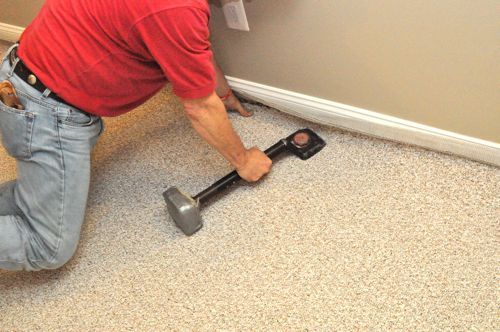
When it comes to flooring installation & repair in Miami, the options can feel overwhelming. With the vibrant culture and warm climate, choosing the right flooring is crucial for both aesthetics and functionality. Whether you’re renovating your home, flipping a property, or just looking to refresh your space, understanding the various flooring options available is essential. This guide aims to provide you with insights and tips on how to navigate the world of flooring installation and repair in Miami.
Understanding the Different Flooring Options
Miami’s unique environment requires careful consideration when selecting flooring materials. Here are some popular choices:
- Hardwood Flooring: Timeless and elegant, hardwood adds warmth to any room. It’s durable but can be susceptible to water damage if not properly sealed.
- Laminate Flooring: An affordable alternative to hardwood, laminate mimics the appearance of wood or stone. It’s easy to install and maintain, making it a practical choice for busy households.
- Tile Flooring: Perfect for Miami’s humid climate, tile is resistant to moisture and easy to clean. Options range from ceramic to porcelain, each offering unique designs and textures.
- Vinyl Flooring: Known for its versatility, vinyl comes in sheets, tiles, or planks. It’s water-resistant and available in numerous styles, making it suitable for various spaces.
- Carpet Flooring: Soft and cozy, carpet is ideal for bedrooms and living areas. However, it may not be the best choice for high-moisture environments unless you opt for specialized carpets.
Choosing the Right Flooring for Your Space
When selecting flooring in Miami, consider the following factors:
- Climate: Miami’s heat and humidity can affect certain materials. For example, hardwood may warp if not installed correctly.
- Foot Traffic: High-traffic areas require durable flooring. Options like tile or laminate are excellent for these spaces.
- Style: Your flooring should complement your home’s overall aesthetic. Whether you prefer a modern or traditional look, there are materials to match your vision.
- Budget: Determine how much you are willing to spend on installation and materials. This will help narrow down your options significantly.
The Installation Process
Once you’ve decided on the type of flooring, the next step is installation. Here’s a brief overview of what to expect:
Preparation
Before installation, the space must be prepared. This may involve removing old flooring, cleaning the subfloor, and making any necessary repairs. Ensuring a smooth, level surface is crucial for a successful installation.
Installation Methods
Different flooring types require different installation methods:
- Nail or Staple Down: Common for hardwood flooring, this method involves driving nails or staples through the boards into the subfloor.
- Glue Down: Used for some wood and vinyl floors, adhesive is applied to the subfloor before laying the flooring material.
- Floating Installation: Ideal for laminate and some vinyl, this method allows the flooring to “float” above the subfloor, making it easier to install and replace.
Repairing Existing Flooring
Sometimes, flooring may need repairs due to wear and tear, water damage, or accidents. Here are some common repair methods:
Hardwood Floor Repair
For hardwood floors, scratches can be sanded out, while more significant damage may require replacing individual boards. A professional can help assess the damage and suggest the best course of action.
Tile Repair
If a tile is chipped or cracked, it can often be replaced without affecting the surrounding tiles. Grout may also need to be refreshed over time to maintain a clean look.
Vinyl and Laminate Repair
For vinyl and laminate, many companies offer peel-and-stick patches for small damages. However, large areas may require more extensive work.
Why Hire a Professional?
While DIY projects can be rewarding, hiring a professional for flooring installation and repair can save you time and ensure high-quality results. Professionals have the skills and tools necessary to handle complicated installations, ensuring that your flooring lasts for years to come. Additionally, they can help with:
- Expertise: Professionals bring years of experience to the table, ensuring that your installation is done correctly.
- Quality Materials: They can guide you in selecting the best materials for your specific needs and preferences.
- Time Efficiency: Professionals can complete the job in a fraction of the time it would take a novice.
Frequently Asked Questions
What is the average cost of flooring installation in Miami?
The cost can vary widely based on the type of flooring, the size of the area, and any additional services required. On average, homeowners can expect to pay between $1,500 and $4,500 for installation.
How long does flooring installation take?
Installation time depends on the type of flooring and the size of the project. Typically, it can take anywhere from a few hours to several days for completion.
Can I install flooring myself?
While DIY installation is possible, it is recommended to hire professionals, especially for complex materials like hardwood or tile, to avoid common pitfalls.
What should I do to prepare for my flooring installation?
Clear the area of furniture and any obstacles. Ensure the subfloor is clean and dry, and check for any repairs that may need to be addressed beforehand.
In the world of flooring installation & repair in Miami, making informed choices can lead to beautiful, durable results that enhance your home’s value and appeal. Whether you opt for hardwood, tile, or laminate, understanding the ins and outs of each type will help you create the perfect space for your lifestyle.
Thank you for visiting our website. Don’t forget that if you need flooring installation or repair in Miami or require any other home maintenance services, you can contact our handyman team