When it comes to maintaining a comfortable home in Miami, insulation installation is a crucial aspect that many homeowners overlook. The tropical climate might make it seem unnecessary, but the right insulation can significantly impact your energy efficiency and overall comfort. Let me take you through the importance of insulation, the types available, and how the installation process works.
Why Insulation Matters in Miami
Despite the warm weather, Miami can experience temperature fluctuations that make insulation essential. Proper insulation helps to keep your home cool during the hot summer months and warm during the cooler nights. Moreover, it plays a vital role in reducing energy consumption, which translates to lower utility bills.
Energy Efficiency and Savings
Have you ever noticed how much your air conditioning unit works during the summer? Without adequate insulation, your AC has to work overtime to maintain a comfortable temperature. This constant strain not only increases your energy bills but can also shorten the lifespan of your unit. Investing in insulation installation can help save you money in the long run.
Different Types of Insulation for Your Home
There are several insulation options available, and choosing the right type depends on your home’s structure and your specific needs. If you ask how to insulate your attic roof or which types of insulation are in the market, here are some of the most common types:
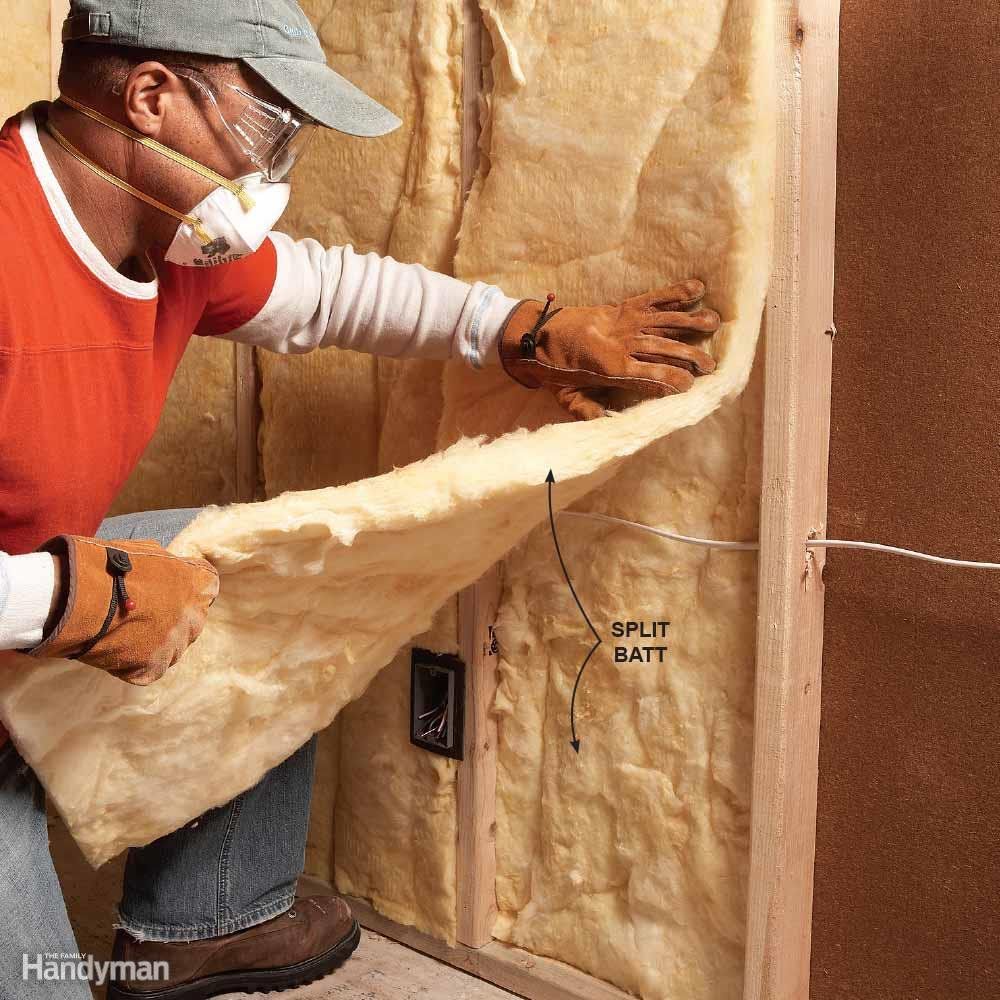
- Fiberglass Insulation: This is one of the most popular choices due to its affordability and effectiveness. It’s made from fine strands of glass and is available in batts or loose-fill.
- Foam Board Insulation: Rigid panels that provide excellent thermal resistance. They are often used in walls, roofs, and foundations.
- Spray Foam Insulation: This type expands on application, sealing gaps and cracks. It’s ideal for hard-to-reach areas and offers superior air sealing.
- Cellulose Insulation: Made from recycled paper products, this eco-friendly option is treated with a fire retardant and is good for reducing air leaks.
Choosing the Right Insulation for Your Needs
When selecting insulation, consider factors such as R-value, which measures the material’s resistance to heat flow. The higher the R-value, the better the insulation. In Miami, an R-value between 30 and 38 for attics is generally recommended.
The Insulation Installation Process
Wondering how insulation is installed? Here’s a brief overview of the steps involved:
- Assessment: A professional will evaluate your home to determine the best insulation type and R-value needed.
- Preparation: The area will be cleared of debris, and any necessary repairs will be made before installation.
- Installation: Depending on the type of insulation chosen, the application process will vary. For instance, fiberglass batts are placed between studs, whereas spray foam is applied directly to surfaces.
- Final Inspection: After installation, a thorough inspection will ensure everything is properly sealed and functioning.
DIY or Hire a Professional?
While some homeowners may be tempted to tackle insulation installation themselves, hiring a professional is often the best choice. Professionals have the experience and tools necessary to ensure the job is done correctly and efficiently specially when we talk about attic insulation installation. Moreover, they can help you navigate local building codes and regulations, ensuring that your insulation meets safety standards.
Frequently Asked Questions About Insulation Installation
How long does insulation last?
Most insulation materials can last anywhere from 20 to 50 years, depending on the type and installation conditions.
Can I install insulation in existing walls?
Yes, it is possible to add insulation to existing walls. Options like spray foam can be injected into walls without major renovations.
Is insulation installation messy?
While some insulation types can create a bit of mess, professional installers typically take measures to minimize disruption and clean up afterward.
How does insulation affect indoor air quality?
Proper insulation can help improve indoor air quality by reducing drafts and preventing moisture buildup, which can lead to mold growth.
Are there any tax credits or rebates for insulation installation?
Yes, in some cases, homeowners may qualify for tax credits or rebates for energy efficiency upgrades, including insulation. It’s worth checking with local energy providers or the IRS for available programs.
Final Thoughts on Insulation Installation in Miami
In summary, insulation installation is not just about keeping your home comfortable; it’s about enhancing energy efficiency and protecting your investment. With the right insulation, you can enjoy a cooler home, lower energy bills, and a more sustainable living space. If you’re considering upgrading your insulation, don’t hesitate to reach out to a local professional who can guide you through the process and ensure you make the best choice for your home. Call handyman in Miami for any kind of insulation you may need in your home or business,