
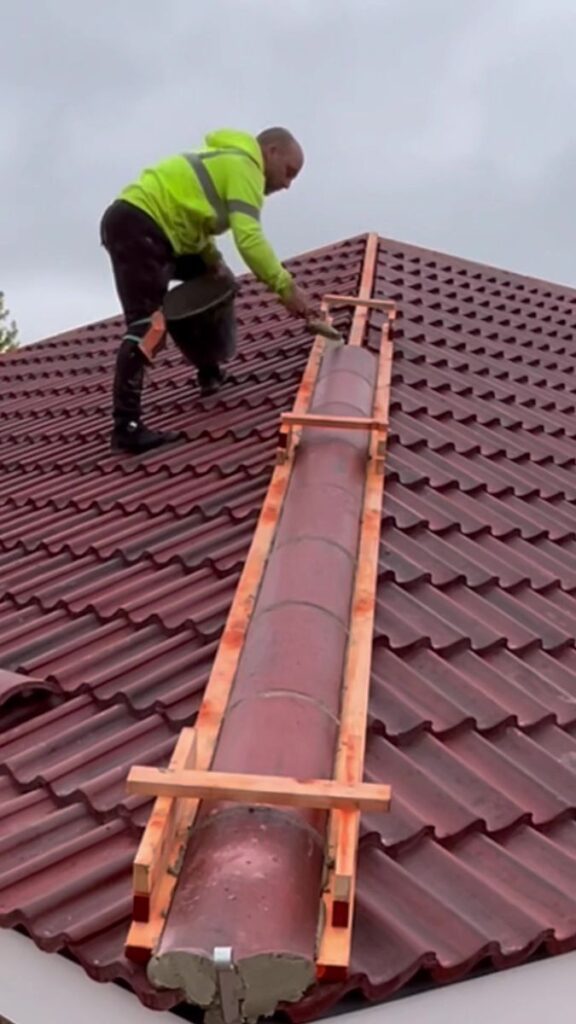
Living in Miami, the vibrant city known for its sunny weather and occasional tropical storms, makes having a solid roof over your head an absolute necessity. Roofing installation and repair in Miami is not just a service; it’s a lifeline for protecting your home and ensuring its longevity. In this article, I will delve into the essentials of roofing in our beautiful city, discussing the different types of roofing materials, the importance of proper installation, and how to identify when repairs are needed.
Understanding the Importance of Roofing in Miami
Roofs are more than just a protective barrier; they play a crucial role in maintaining the structural integrity of a home. In Miami, where the weather can be unpredictable, having a sturdy and reliable roof is essential. A well-installed roof can:
- Protect your home from the elements: Heavy rain, high winds, and the occasional hurricane can wreak havoc on a poorly constructed roof.
- Increase energy efficiency: A quality roof helps to keep your home cool in the summer and warm in the winter, leading to lower energy bills.
- Enhance curb appeal: A new or well-maintained roof can significantly boost the aesthetic value of your home.
Choosing the Right Roofing Material
When it comes to roofing materials, Miami homeowners have several options. Each material has its pros and cons, and the choice often depends on budget, style preference, and the specific needs of your home. Here are some popular options:
- Asphalt Shingles: This is the most common roofing material in the U.S. due to its affordability and ease of installation. They come in various colors and styles, making them a versatile choice.
- Metal Roofing: Known for its durability and longevity, metal roofs can withstand high winds and heavy rain, making them ideal for Miami’s climate. They are also energy-efficient.
- Tiled Roofing: This is a traditional choice in Florida, offering excellent durability and a distinctive look. However, they can be more expensive and may require additional structural support.
- Flat Roofing: Common in commercial buildings, flat roofs can be used in residential homes as well. They require proper drainage to avoid pooling water.
The Roofing Installation Process
Installing a new roof is a significant investment that should not be taken lightly. The installation process generally involves several key steps:
- Inspection and Assessment: A thorough inspection of your current roof will help determine the best course of action.
- Choosing Materials: Based on the assessment, the right materials will be selected to meet your needs.
- Preparation: This includes removing the old roof, repairing any underlying damage, and ensuring a clean working environment.
- Installation: Skilled professionals will carefully install the new roofing material, ensuring proper techniques are followed to maximize durability.
- Final Inspection: After installation, a final inspection ensures everything has been done correctly and meets building codes.
Identifying When Repairs Are Needed
Even with the best installation, roofs can still require repairs over time. Here are some signs that your roof may need attention:
- Visible Damage: Look for missing shingles, cracks, or leaks in your ceiling.
- Water Stains: Discolored spots on your walls or ceilings can indicate a leak in your roof.
- Age of the Roof: If your roof is over 20 years old, it may be time to consider a replacement or at least a thorough inspection.
- Granules in Gutters: If you notice a lot of granules from shingles in your gutters, it may be a sign of wear.
Maintaining Your Roof
Regular maintenance is key to prolonging the life of your roof. Here are some practical tips:
- Regular Inspections: At least once a year, have your roof inspected by a professional.
- Clean Gutters: Keeping gutters clear of debris can prevent water damage.
- Trim Overhanging Branches: This can prevent damage from falling limbs and reduce debris accumulation.
- Address Small Repairs Promptly: Don’t wait for small issues to become big problems.
Finding the Right Roofing Contractor
Choosing the right roofing contractor in Miami is crucial for ensuring quality work. Here are some tips to help you find a reliable service:
- Check Reviews: Look for customer feedback online to gauge the contractor’s reputation.
- Verify Credentials: Ensure they are licensed and insured.
- Get Multiple Quotes: This will give you a better idea of the average cost and help you avoid overpaying.
- Ask About Warranties: A reputable contractor will offer warranties on both materials and labor.
Frequently Asked Questions
How long does a roof installation take?
The duration of a roof installation can vary based on the size and complexity of the project, but most installations typically take one to three days.
What should I do if I notice a leak?
If you notice a leak, it’s essential to address it immediately. Contact a professional to assess and repair the damage as soon as possible to prevent further issues.
Are metal roofs worth the investment?
Yes, metal roofs are generally more expensive upfront but can save you money in the long run due to their durability and energy efficiency. Also you may enquire if there are any new roof grants in your area.
Can I install a new roof over my old one?
In some cases, it is possible to install a new roof over an existing one, but it depends on local building codes and the condition of the current roof.
What is the best roofing material for Miami’s climate?
Metal roofing and tiled roofing are often recommended for Miami’s climate due to their durability and resistance to wind and water damage. Whether you need a complete roof installation or just roof patching and minor repairs, you can contact handyman in Miami for professional work at the best price.