
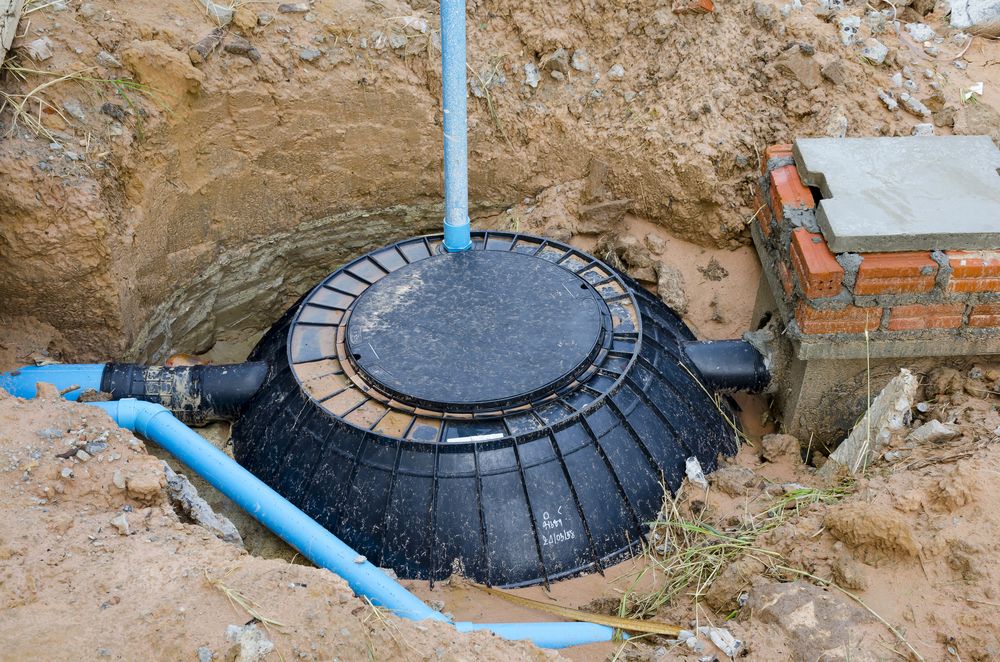
When it comes to septic system installation in Miami, many homeowners may find themselves overwhelmed by the various options and regulations involved. After all, this crucial system is responsible for managing wastewater, so it’s essential to get it right the first time. As a resident of this vibrant city, I understand the unique challenges we face in our local environment, and I’m here to guide you through the process.
Understanding Septic Systems
Before diving into the installation process, it’s vital to understand what a septic system is and how it works. A septic system is an underground wastewater treatment structure that relies on natural processes to treat and dispose of sewage. It typically consists of a septic tank and a drain field.
The Components of a Septic System
- Septic Tank: This is where the wastewater is collected and separated. Solids settle at the bottom, while lighter materials float to the top, forming a scum layer.
- Drain Field: After the initial treatment in the tank, the liquid effluent is distributed into the drain field, where the soil further purifies the water before it enters the groundwater.
- Pipes: These connect the house to the septic tank and drain field, ensuring proper flow of wastewater.
Why Is Septic System Installation Important?
Aside from being a legal requirement in many areas, a properly installed septic system is crucial for maintaining the health of your household and the surrounding environment. A malfunctioning system can lead to unpleasant odors, groundwater contamination, and costly repairs so doing a septic tank installation diagram may be a good idea.
Local Regulations and Permits
In Miami, there are specific regulations surrounding septic system installation. Before you begin, it’s necessary to obtain the appropriate permits from local health departments. These regulations ensure that installations are carried out safely and efficiently, protecting both public health and the environment.
Choosing the Right Location
The location of your septic system is critical. It must be installed at a sufficient distance from your home, wells, and water bodies to prevent contamination. Factors like soil type, drainage, and the size of your property can influence the ideal placement.
How to make septic tank in small space?
The first step in building a septic tank is to clear the site. It’s essential to ensure there are no trees, roots, or debris that could obstruct the installation of the tank and drainage field. The area must be accessible to excavation equipment and have sufficient space for both the tank and the drainage field, otherwise it will not be possible to install the septic tank.
Steps for Septic System Installation
The installation process might seem daunting, but breaking it down into manageable steps can simplify the experience.
1. Soil Testing
Before installation, a thorough soil test should be conducted. This helps determine the appropriate size and type of septic system for your property. It’s essential to understand the soil’s absorption capabilities, as this will affect the efficiency of your system.
2. Design and Planning
Once soil testing is complete, a design that meets local regulations should be developed. This involves mapping out the septic tank and drain field, ensuring proper distances are maintained from other structures and water sources.
3. Excavation
Next, the site must be excavated according to the design plans. This step involves digging holes for the septic tank and trenches for the drain field. A professional should handle this to ensure everything is done correctly.
4. Installation of Components
After excavation, the septic tank is placed in the hole, and the necessary piping is installed. It’s essential to follow the manufacturer’s guidelines carefully to ensure a proper setup.
5. Backfilling and Final Grading
Once everything is installed, the excavated soil is backfilled, and the area is graded to ensure proper drainage away from the septic system.
Maintenance of Your Septic System
After your septic system installation in Miami is complete, regular maintenance is crucial to ensure its longevity and efficiency. Here are some practical tips to keep your system running smoothly:
- Regular Inspections: Schedule inspections every 1-3 years to catch any potential issues early.
- Pumping: Have your septic tank pumped every 3-5 years to prevent solids buildup.
- Water Conservation: Be mindful of water usage to avoid overwhelming the system.
Common Myths About Septic Systems
There are many misconceptions surrounding septic systems that can lead to improper care. Here are a few:
- Myth: You can flush anything down the toilet.
- Truth: Only human waste and toilet paper should be flushed. Chemicals and other waste can disrupt the system.
- Myth: Septic systems don’t need maintenance.
- Truth: Regular maintenance is essential for preventing costly repairs.
Frequently Asked Questions
What is the average cost of septic system installation in Miami?
The cost can vary significantly based on the size of the system and the complexity of the installation. On average, homeowners can expect to pay between $3,000 to $10,000.
How long does a septic system last?
With proper maintenance, a septic system can last anywhere from 20 to 30 years. Regular inspections and pumping can extend its lifespan.
How do I know if my septic system is failing?
Signs of a failing system include foul odors, slow drains, and pooling water in the yard. If you notice any of these, it’s crucial to contact a professional immediately.
Conclusion
Installing a septic system in Miami is a significant investment, but with the right knowledge and resources, it can be a smooth process. By understanding the components, regulations, and maintenance needs, you can ensure your system operates efficiently for years to come.