
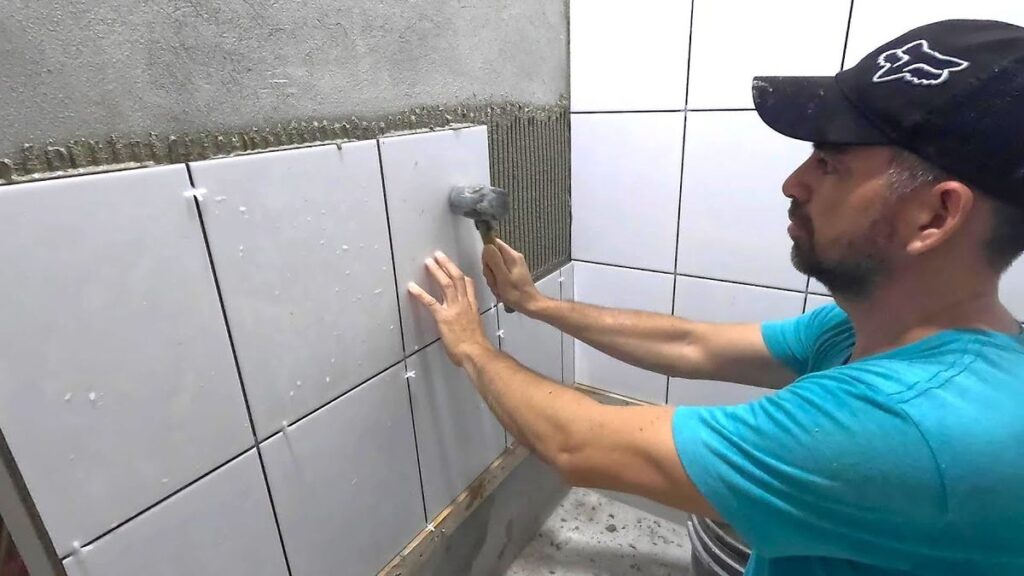
When it comes to home renovations, one of the most impactful changes you can make is through tile installation and repair in Miami. Whether you are looking to revamp your bathroom, kitchen, or any other area of your home, tiles can significantly enhance the aesthetic appeal and functionality of the space. In this article, I’ll share my experiences, tips, and insights into the world of tile installation and repair, ensuring you have all the information you need for a successful project.
Understanding the Importance of Tile Installation
Tiles aren’t just a surface covering; they can transform a mundane room into a stylish oasis. The **right tile** can add texture, color, and even value to your home. But why is tile installation so crucial?
- Durability: Tiles are known for their long-lasting nature. They can withstand daily wear and tear, making them ideal for high-traffic areas.
- Easy Maintenance: Cleaning tiles is a breeze. A simple wipe down with a damp cloth can often do the trick.
- Variety of Styles: From modern to traditional, tiles come in an array of designs and materials, allowing you to express your personal style.
- Water Resistance: Especially in areas like bathrooms and kitchens, tiles provide a waterproof solution that protects your walls and floors.
Choosing the Right Tiles for Your Project
Before diving into the installation process, selecting the **right tiles** for your project is essential. Here are some tips to guide your choice:
- Material Matters: Think about the material based on the area. Porcelain tiles are great for high-moisture areas, while ceramic tiles are perfect for walls.
- Color and Design: Choose colors and patterns that complement your home’s existing décor. A cohesive look can make your space feel harmonious.
- Size and Shape: Larger tiles can make a small room feel more spacious, while intricate mosaic designs can add character to any area.
The Tile Installation Process
The installation process can seem daunting, but with a bit of knowledge, it can be manageable. Here’s a step-by-step guide I’ve learned through my experiences:
Preparation
Before laying down tiles, proper preparation is key. This involves:
- Clearing the Area: Remove any old flooring or coverings to expose the subfloor.
- Assessing the Subfloor: Ensure it’s clean, dry, and level. Any imperfections should be addressed to prevent issues down the line.
- Gathering Tools: Tools like a tile cutter, trowel, and grout float will be your best friends during installation.
Laying the Tiles
Now comes the fun part – laying the tiles! Follow these steps:
- Apply Adhesive: Using a trowel, spread tile adhesive on a small section of the subfloor.
- Place Tiles: Start from the center of the room and work your way outward. This ensures a balanced look.
- Use Spacers: Insert spacers between tiles for even gaps, which will make grouting easier.
Grouting and Sealing
Once the tiles are laid, it’s time for grouting:
- Mix the Grout: Follow the manufacturer’s instructions for mixing the grout to achieve the right consistency.
- Apply Grout: Use a grout float to fill the gaps between tiles. Ensure to wipe away excess grout promptly.
- Seal the Grout: After the grout has set, a sealant can help protect against stains and moisture.
Handling Tile Repair
Over time, even the best tiles can sustain damage. Here’s how to approach tile repair:
Identifying the Damage
Common issues include cracked tiles, loose tiles, or stained grout. Identifying the problem is the first step in the repair process.
Repairing Cracked or Loose Tiles
- Cracked Tiles: Carefully remove the damaged tile and clean the area before replacing it with a new tile.
- Loose Tiles: Reapply adhesive underneath the loose tile and press it firmly in place. A weight can help ensure a good bond.
Refreshing Stained Grout
Stained grout can detract from the beauty of your tiled surface. Here’s how to refresh it:
- Cleaning: Use a mixture of baking soda and vinegar to scrub away stains.
- Re-grouting: If cleaning doesn’t work, consider re-grouting to restore the original look.
Frequently Asked Questions
How long does tile installation take?
The duration of tile installation depends on the size of the project. Generally, it can take anywhere from a few hours to a couple of days.
Can I install tiles myself?
Yes, DIY tile installation is possible for many homeowners. However, seeking professional help is advisable for larger projects or complicated layouts.
What type of tiles are best for outdoor areas?
Porcelain or natural stone tiles are great for outdoor areas due to their durability and resistance to weather conditions.
How do I maintain my tiles?
Regular sweeping and mopping are essential for maintenance. Additionally, sealing grout lines will help keep them looking fresh.
Tile installation and repair in Miami can be a rewarding endeavor, transforming your home into a space that reflects your style and meets your needs. With the right knowledge and preparation, you’ll be well on your way to a beautifully tiled home. And remember to contact us whether you need to maintain or install your kitchen backsplash in Miami, Happy tiling!