When it comes to woodworking and construction projects, one tool that stands out for its versatility and utility is the chisel. This simple yet effective tool has been a staple in the toolkit of craftsmen for centuries. Whether you’re a seasoned professional or a DIY enthusiast, understanding how to use a chisel effectively can greatly enhance your woodworking skills.
What is a Chisel?
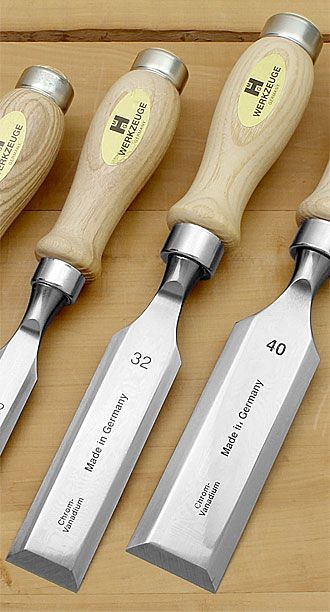
A chisel is a cutting tool with a sharp blade at one end and a handle at the other. It is used for carving or cutting hard material like wood, stone, or metal. The blade is typically made of steel, which allows for precise cuts and durability. Different types of chisels exist, each designed for specific tasks, and knowing the right type can make a world of difference in your projects.
Types of Chisels
- Wood Chisels: These are most commonly used in woodworking. They come in various shapes and sizes, including bench chisels, mortise chisels, and paring chisels.
- Stone Chisels: Designed for carving and shaping stone, these chisels are often used by sculptors and masons.
- Metal Chisels: These chisels are used for cutting and shaping metal materials. They are often used in metalworking and fabrication.
Choosing the Right Chisel
When selecting a chisel, consider the material you’re working with, as well as the type of cut you need to make. For instance, if you’re working on a delicate woodworking project, a wood chisel with a fine edge will be more appropriate than a heavy-duty stone chisel. Remember, the right tool can make all the difference!
Factors to Consider
- Blade Material: High-carbon steel blades hold their edge longer than those made of other materials.
- Blade Width: Wider blades are great for removing large amounts of material quickly, while narrower blades are better for detailed work.
- Handle Comfort: A comfortable grip is essential for precision and reducing hand fatigue.
Using a Chisel Effectively
Mastering the use of a chisel involves more than just knowing how to hold it. Proper techniques can significantly improve the quality of your work. Here are some practical tips:
Preparation is Key
Before you start chiseling, ensure that your workpiece is securely clamped. This stability allows for greater control and precision. Additionally, make sure your chisel is sharp; a dull chisel can lead to frustration and undesirable results.
Chisel Techniques
There are several techniques to utilize when using a chisel:
- Paring: This technique involves using the chisel to slice off thin shavings of wood for a smooth finish.
- Chopping: This is a more forceful technique where the chisel is struck with a mallet to remove larger pieces of material.
- Carving: For intricate designs, holding the chisel at an angle allows for detailed carving work.
Maintaining Your Chisel
To ensure your chisel lasts a long time and remains effective, regular maintenance is essential. Here are some tips for keeping your chisel in top shape:
Sharpening Your Chisel
Regular sharpening is crucial. A sharpening stone or whetstone can be used to hone the edge back to a sharp point. Additionally, honing your chisel after every use can prevent it from becoming dull.
Cleaning and Storage
After each use, clean your chisel to remove any debris or residue. Store it in a dry place to prevent rust, and consider using protective covers for the blades.
Common Mistakes to Avoid
Even seasoned woodworkers can make mistakes when using a chisel. Here are a few common pitfalls to avoid:
- Using a Dull Chisel: Always ensure your chisel is sharp before starting your project to avoid injury and achieve better results.
- Improper Grip: A firm yet relaxed grip on the chisel will provide better control and reduce the risk of slipping.
- Forgetting Safety Gear: Always wear safety goggles and gloves to protect yourself while working.
Frequently Asked Questions
What is a chisel used for?
A chisel is primarily used for carving or cutting hard materials such as wood, stone, or metal. It allows for precise shaping and detailing in various projects.
How do I sharpen a chisel?
Sharpen a chisel using a sharpening stone or whetstone. Start with a coarse grit and progress to finer grits for a razor-sharp edge. Remember to maintain the original angle of the bevel while sharpening.
How do I choose the right chisel for my project?
Consider the material you are working with, the size of the cuts you need to make, and the level of detail required in your project. Different chisels are designed for different tasks, so choose accordingly.
Can I use a chisel for metal work?
Yes, there are specific chisels designed for metal work. These chisels are typically made from tougher materials and can withstand the hardness of metal.
How do I prevent my chisel from rusting?
To prevent rust, store your chisel in a dry place, and consider applying a light coat of oil on the blade to protect it from moisture.
By understanding the various aspects of using a chisel, from selection to maintenance, you can greatly improve your woodworking projects. Embrace the art of chiseling, and you’ll find it an invaluable tool in your creative endeavors.