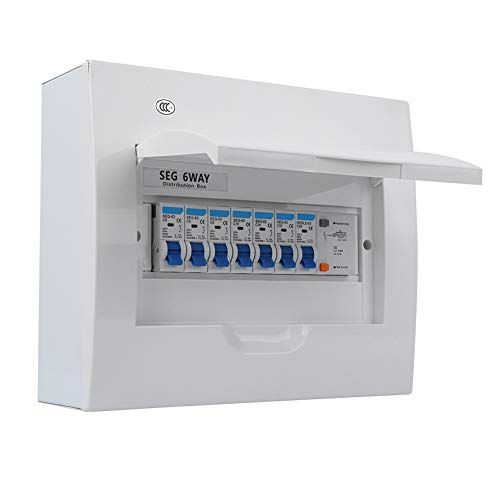
As a handyman company operating in Miami, one of the most common issues I encounter is related to the circuit breaker. This essential component of your electrical system acts as a safety mechanism, protecting your home from electrical overloads and potential fires. Understanding how a circuit breaker works and its importance can save you time, money, and most importantly, ensure your safety. Let’s dive deeper into the world of circuit breakers, their types, importance, and maintenance tips.
What is a Circuit Breaker?
A circuit breaker is an automatic device designed to protect an electrical circuit from damage caused by overload or a short circuit. When excess current flows through the circuit, the breaker interrupts the flow of electricity, preventing any potential hazards. Think of it as a safety net for your electrical system!
How Does a Circuit Breaker Work?
Circuit breakers operate using two main mechanisms: thermal and magnetic. The thermal mechanism uses a bimetallic strip that bends when heated, eventually tripping the breaker. The magnetic mechanism, on the other hand, utilizes an electromagnet that activates when there is a sudden surge of electricity. Together, these mechanisms ensure that your electrical system remains safe and operational.
Types of Circuit Breakers
Understanding the different types of circuit breakers can help you make informed decisions regarding your electrical system. Here are the most common types:
- Standard Circuit Breakers: These are the most common and are found in most homes. They protect against overload and short circuits.
- GFCI Breakers: Ground Fault Circuit Interrupters (GFCIs) are designed to prevent electrical shock by interrupting the circuit when an imbalance is detected.
- Miniature Circuit Breakers (MCB): These are used for low-voltage applications and provide protection against overloads.
- Earth Leakage Circuit Breakers (ELCB): ELCBs are designed to prevent shock by detecting earth faults.
Why is a Circuit Breaker Important?
Circuit breakers are crucial for several reasons:
- Safety: They prevent electrical fires and accidents.
- Protection: They safeguard your appliances and electronic devices from damage caused by electrical surges.
- Convenience: They can be easily reset after tripping, unlike fuses that need replacement.
Signs of a Faulty Circuit Breaker
Being able to identify when a circuit breaker is malfunctioning is key to maintaining safety in your home. Here are some signs to look out for:
- Frequent Tripping: If your breaker trips often, it might be a sign of an underlying issue.
- Burning Smell: A burning smell is never a good sign and indicates that the breaker might be overheating.
- Physical Damage: Inspect for any visible signs of damage, such as cracks or burn marks.
How to Reset a Circuit Breaker?
If you find that your circuit breaker has tripped, resetting it is usually a straightforward process. Here’s how:
- Locate your circuit breaker panel.
- Identify the tripped breaker; it will typically be in the ‘off’ position or between ‘on’ and ‘off.’
- Flip the breaker to the ‘off’ position and then back to ‘on.’
However, if the breaker continues to trip after resetting, it’s crucial to call a professional to investigate further.
Maintenance Tips for Circuit Breakers
Proper maintenance can ensure that your circuit breaker operates effectively and lasts longer. Here are some practical tips:
- Regular Inspections: Have a professional inspect your circuit breakers regularly to catch any potential issues early.
- Avoid Overloading: Be mindful of how many devices you plug into a single circuit to prevent overload.
- Keep the Area Dry: Moisture can lead to corrosion and malfunction, so ensure the area around your circuit breaker is dry.
When to Call a Professional
While basic maintenance and resetting might seem simple, certain situations require professional assistance. If you notice any of the following, it’s time to call in an expert:
- Frequent tripping of the breaker.
- Burning smells or signs of smoke.
- Physical damage to the breaker panel.
Frequently Asked Questions
What should I do if my circuit breaker keeps tripping?
If your circuit breaker keeps tripping, check for overloaded circuits or short circuits. Unplug devices and try resetting the breaker. If it continues to trip, consult a professional electrician.
How often should circuit breakers be replaced?
Circuit breakers can last anywhere from 20 to 30 years. However, if you experience frequent issues or if your home’s electrical system is older, consider having them evaluated and possibly replaced.
Can I replace a circuit breaker myself?
While it’s possible to replace a circuit breaker yourself, it’s highly recommended to hire a professional. Electrical work can be dangerous and requires knowledge of electrical systems.
In summary, understanding your circuit breaker and its function is essential for maintaining the safety and efficiency of your electrical system. Regular maintenance, awareness of signs of malfunction, and knowing when to call a professional can protect your home from electrical hazards.