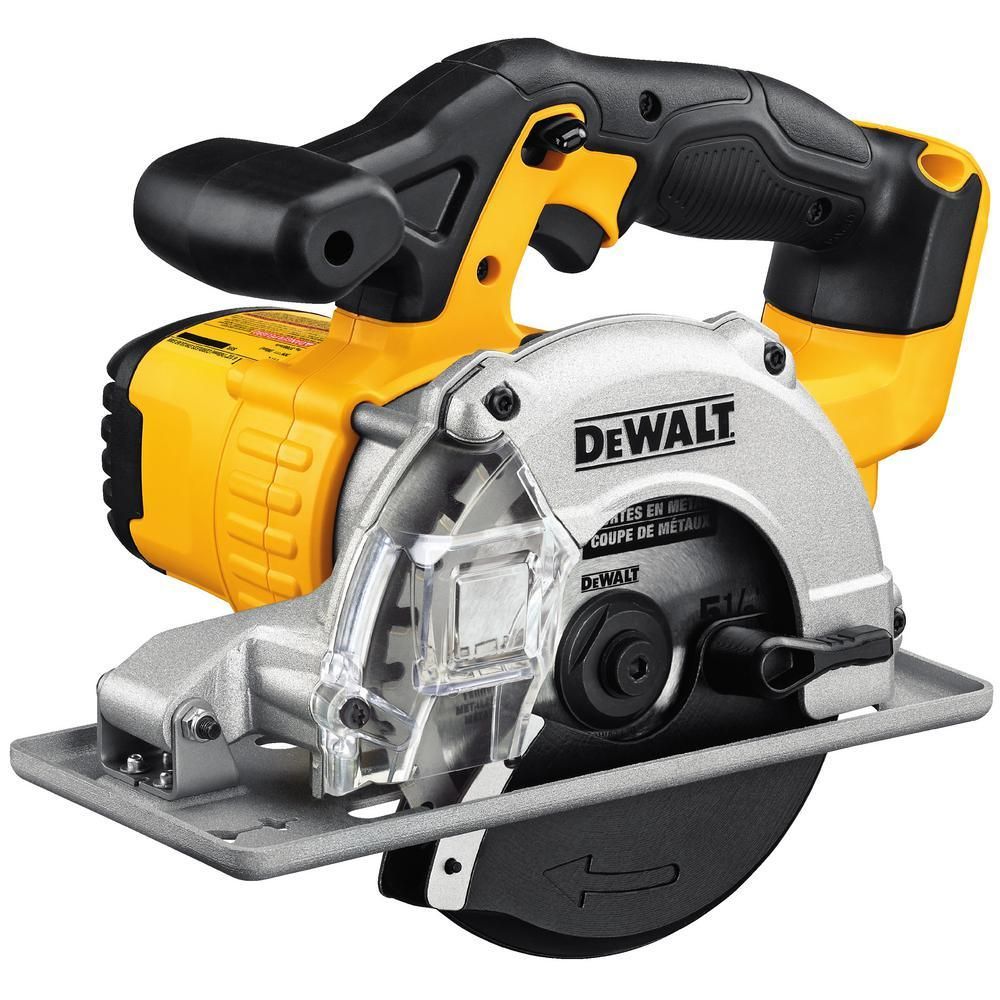
As a handyman working in Miami, I can tell you that having the right tools makes all the difference in getting the job done effectively and efficiently. One tool that stands out in my toolbox is the circular saw. This powerful device is not only versatile but also essential for a variety of tasks, whether you are a DIY enthusiast or a professional contractor. In this article, I will delve into the features, benefits, and practical tips for using a circular saw safely and effectively, ensuring that you can tackle any project with confidence.
Understanding the Circular Saw
A circular saw is a portable power-saw that uses a toothed or abrasive disc or blade to cut through various materials. Generally, it is used for cutting wood, but with the right blade, it can also handle metal, plastic, and masonry. The circular saw operates on a rotating motion, which allows for precise and straight cuts.
Types of Circular Saws
- Sidewinder Saws: This is the most common type of circular saw, where the motor is located alongside the blade. It is lightweight and easy to maneuver.
- Worm Drive Saws: These saws have the motor located at the back, providing more torque and power for heavy-duty cutting. They are ideal for professional carpenters.
- Compact Saws: Smaller and lighter than traditional saws, these are perfect for tight spaces and intricate cuts.
Essential Features of a Circular Saw
When selecting a circular saw, consider the following features:
Blade Size
The most common blade sizes for circular saws are 7.25 inches and 6.5 inches. The size of the blade will determine the depth of cut. A larger blade can cut through thicker materials but may be heavier and less maneuverable.
Power Source
Circular saws can be corded or cordless. Corded models provide consistent power but limit mobility, while cordless models offer great flexibility and portability but require battery management.
Cutting Depth and Angle
Most circular saws allow you to adjust the cutting depth and angle, which is crucial for making bevel cuts and ensuring a clean finish. Familiarizing yourself with these adjustments can enhance your cutting skills significantly.
Safety Tips for Using a Circular Saw
While the circular saw is a fantastic tool, safety should always be your top priority. Here are some practical safety tips:
- Wear Protective Gear: Safety glasses, gloves, and ear protection are essential to prevent injuries.
- Check the Blade: Always inspect the blade for damage or dullness before use. A damaged blade can lead to accidents.
- Secure Your Workpiece: Ensure that the material you are cutting is stable and secure to prevent it from moving during the cut.
Common Uses of a Circular Saw
Knowing how to use a circular saw opens up a world of possibilities for your projects. Here are some common applications:
Making Straight Cuts
The circular saw excels at making straight cuts in wood, plywood, and other materials. With a guide or straight edge, you can achieve professional-looking results in no time.
Bevel Cuts
Adjusting the angle of your circular saw allows for bevel cuts, which are great for creating angled edges for joints, trim, and furniture.
Ripping Lumber
When you need to cut lumber to width, a circular saw is your best friend. It can make quick work of long boards, saving you time and effort.
Choosing the Right Blade for Your Circular Saw
The type of blade you use can significantly affect the quality of your cuts. Here are some tips for choosing the right blade:
- Wood Cutting Blades: These blades have fewer teeth and are designed for quick cutting through hardwood and softwood.
- Metal Cutting Blades: These blades have finer teeth and are suitable for cutting sheet metal and other metal materials.
- Diamond Blades: Ideal for cutting masonry, concrete, and tile, these blades provide durability and precision.
Maintaining Your Circular Saw
Proper maintenance of your circular saw will extend its lifespan and ensure optimal performance. Here are some maintenance tips:
Regular Cleaning
After each use, clean the saw of any dust and debris. This will prevent buildup that can affect performance and safety.
Blade Maintenance
Keep your blades sharp and free from rust. Dull blades can lead to poor cuts and increased strain on the motor.
Check Electrical Components
For corded models, inspect the power cord for any signs of wear or damage. For cordless models, ensure the battery is charged and functioning properly.
Frequently Asked Questions
What is the difference between a circular saw and a miter saw?
A circular saw is a versatile tool that is designed for making straight cuts, while a miter saw is specifically designed for making angled cuts and crosscuts.
Can I use a circular saw for cutting metal?
Yes, but you need to use a blade specifically designed for cutting metal to ensure safety and efficiency.
How do I prevent kickback when using a circular saw?
To prevent kickback, ensure that the blade is sharp, the workpiece is secured, and always maintain a firm grip on the saw.
Incorporating a circular saw into your toolkit can dramatically improve your woodworking projects. By understanding its features, safety protocols, and maintenance needs, you can use this powerful tool to its fullest potential. Happy cutting!