
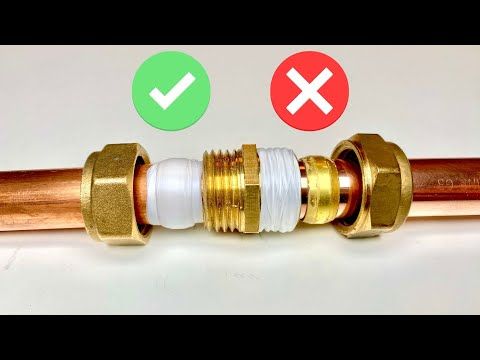
When it comes to plumbing, one of the most effective solutions for joining pipes is the use of compression fittings. These fittings have gained popularity due to their reliability and ease of installation, making them a go-to option for both professionals and DIY enthusiasts alike. In this article, we will explore what compression fittings are, how they work, their advantages, and some practical tips for using them in various plumbing projects.
Understanding Compression Fittings
Compression fittings are mechanical devices that connect two pipes or tubes. They consist of several components: a nut, a ring (also known as a ferrule), and the fitting body itself. The design allows for a tight seal when the nut is tightened, compressing the ferrule against the pipe. This creates a leak-proof connection, which is essential in plumbing applications.
How Do Compression Fittings Work?
The operation of compression fittings is quite straightforward. When a pipe is inserted into the fitting, the ferrule is positioned around the pipe. As the nut is tightened, it pushes the ferrule against the pipe, causing it to deform slightly. This deformation creates a strong seal that prevents leaks. The beauty of compression fittings lies in their ability to be easily disassembled and reassembled without damaging the pipes, which is a significant advantage over other types of fittings.
Advantages of Using Compression Fittings
- Easy to Install: One of the standout features of compression fittings is their simplicity. No special tools are required, and they can be installed quickly, making them ideal for both novice and experienced DIYers.
- Versatile: They can be used with various materials, including copper, plastic, and even some types of stainless steel. This versatility makes them suitable for a wide range of plumbing applications.
- Reusability: Unlike soldered or welded joints, compression fittings can be taken apart and reused. This is particularly beneficial for temporary installations or repairs.
- Leak-Proof: When installed correctly, compression fittings create a robust seal that minimizes the risk of leaks, which is crucial for maintaining the integrity of plumbing systems.
Common Applications of Compression Fittings
Compression fittings are commonly found in various plumbing scenarios. Here are some typical applications:
- Water Supply Lines: They are often used to connect flexible tubing to fixtures like faucets and appliances.
- Gas Lines: Compression fittings can also be utilized in gas line installations, ensuring a secure connection for safety.
- Refrigeration Systems: In HVAC systems, they are used to connect refrigerant lines, providing a leak-proof seal.
Step-by-Step Guide to Installing Compression Fittings
Installing compression fittings may seem daunting, but with the right approach, it can be a straightforward task. Here’s a detailed guide to help you:
What You’ll Need
- Compression fitting
- Pipe cutter
- Deburring tool or file
- Wrench
Installation Steps
- Cut the Pipe: Use a pipe cutter to create a clean, straight cut on the pipe. Ensure the cut is even to facilitate a proper seal.
- Deburr the Edges: Use a deburring tool or file to smooth the edges of the cut pipe. This step is critical as sharp edges can damage the ferrule or prevent a good seal.
- Assemble the Fitting: Slide the nut onto the pipe, followed by the ferrule. Then, insert the pipe into the compression fitting body.
- Tighten the Nut: Using a wrench, tighten the nut onto the fitting body. Be cautious not to over-tighten, as this can strip the threads or damage the fitting.
Maintenance Tips for Compression Fittings
To ensure the longevity and performance of your compression fittings, consider the following maintenance tips:
- Regular Inspections: Periodically check for any signs of leakage or corrosion around the fittings.
- Keep Clean: Ensure that the fittings remain free from dirt and debris, as this can compromise the seal.
- Replace Worn Parts: If you notice any wear on the ferrule or other components, replace them promptly to avoid leaks.
Frequently Asked Questions
Can compression fittings be used on PVC pipes?
While compression fittings are primarily designed for metal and some plastic pipes, there are specific types of compression fittings made for PVC. Ensure you use the correct fitting for your material.
Are compression fittings reusable?
Yes, one of the significant advantages of compression fittings is their reusability. If removed carefully, they can be reassembled without losing their effectiveness.
What tools are needed for installation?
Generally, you will need a pipe cutter, a deburring tool or file, and a wrench. No soldering or welding equipment is necessary.
How can I prevent leaks in compression fittings?
Ensure that the pipe is cut straight and deburred before installation. Tightening the nut adequately without over-tightening will also help prevent leaks.
Conclusion
In summary, understanding how to use compression fittings can significantly enhance your plumbing skills. Their ease of use, versatility, and reliable sealing capabilities make them an excellent choice for various applications. By following the steps outlined above, you can confidently tackle your plumbing projects and ensure they are leak-free.