Have you ever found yourself frustrated while working on a DIY project, only to realize that the screws you’re using are not sitting flush with the surface of your material? This is where the technique of countersinking comes into play. It’s a simple yet effective method that can elevate the quality of your work, whether you’re a seasoned carpenter or a weekend warrior tackling home improvement tasks. In this article, we will explore the ins and outs of countersinking, its benefits, and even some practical tips to help you master this essential skill.
Understanding the concept of countersinking
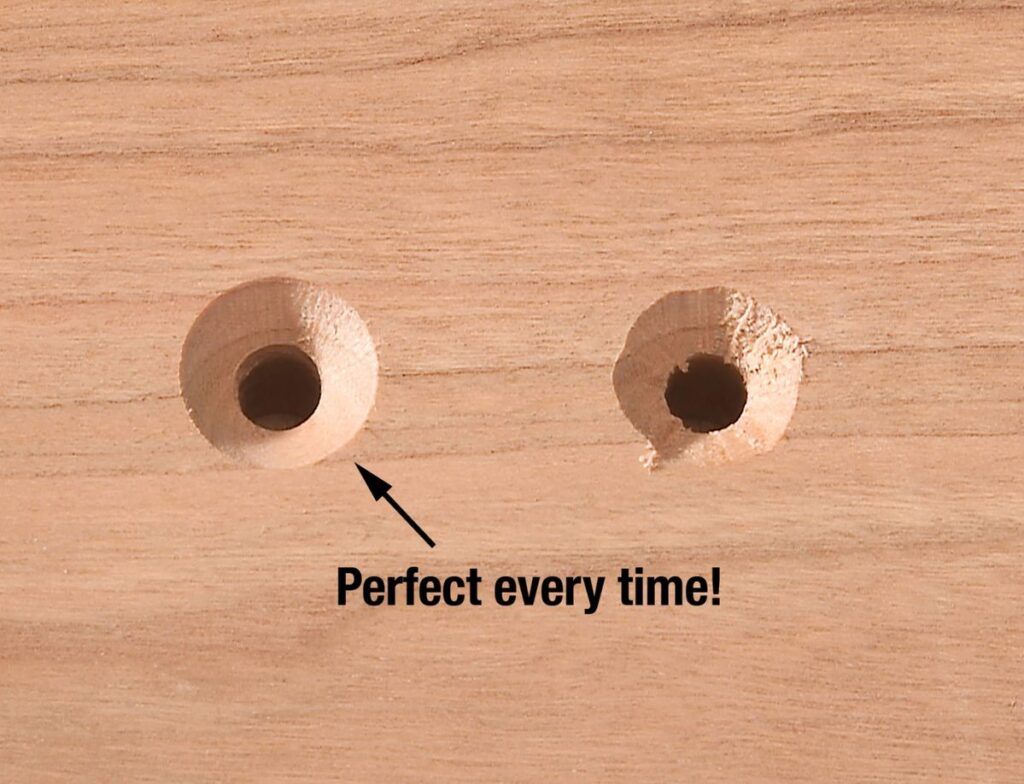
At its core, countersinking is the process of creating a conical hole in a material to allow the head of a screw to sit below the surface. This technique not only provides a clean and professional finish but also prevents the screw from snagging on any surface or interfering with the functionality of the object being assembled. Have you ever noticed how some surfaces appear flawlessly smooth? Chances are, the craftsmen who worked on those surfaces employed countersinking.
Why is countersinking important?
- Aesthetic appeal: Nothing says “I care” about your project more than a polished appearance. Countersinking hides screw heads, making your work look more professional.
- Enhanced durability: By ensuring that screws are flush with the surface, you reduce the risk of damage to the material, preventing wear and tear over time.
- Improved functionality: In applications where smooth surfaces are critical, such as on furniture or cabinetry, countersinking ensures that screws do not interfere with the use of the item.
Tools and materials required for countersinking
Before you dive into the world of countersinking, it’s essential to have the right tools at your disposal. Here’s what you’ll need:
- Countersink bit: This specialized drill bit is designed to create the conical hole needed for countersinking. They come in various sizes, so choose one that matches the diameter of the screws you’re using.
- Drill: A standard power drill will work perfectly in conjunction with your countersink bit.
- Measuring tape: This is key for ensuring accurate placement of screws.
- Wood or material to be drilled: Of course, you’ll need something to practice on or to complete your project.
- Safety goggles: Protecting your eyes is crucial when using power tools.
Steps to effectively countersink a screw
Now that you have your tools ready, let’s walk through the steps of countersinking like a pro:
- Mark the screw location: Use your measuring tape and a pencil to mark where you want the screw to go. Precision is key here!
- Drill a pilot hole: Before countersinking, drill a pilot hole in the marked spot. This helps guide the screw and reduces the risk of the material splitting.
- Use the countersink bit: Change your drill bit to the countersink bit. Drill slowly and steadily until the desired depth is reached.
- Insert the screw: Place the screw into the pilot hole and tighten it until the head sits flush with the surface.
- Check your work: Step back and admire your handiwork. If done correctly, the screw should be hidden beneath the surface.
Common mistakes to avoid when countersinking
Even the best of us can make errors. Here are some common pitfalls you should watch out for:
- Drilling too deep: This can weaken the material. Aim for just enough depth to hide the screw head.
- Using the wrong size countersink bit: Ensure that the bit corresponds with the screw size to achieve the best results.
- Neglecting to drill a pilot hole: Skipping this step can lead to material damage, especially in hardwoods.
Frequently asked questions about countersinking
What is the best material for countersinking?
Countersinking can be performed on various materials, including wood, metal, and plastic. However, the specific technique may vary slightly depending on the material’s density and hardness.
Can I countersink screws in drywall?
Absolutely! Countersinking in drywall can help create a smooth finish for your wall, especially if you plan to paint over it.
How do I know which countersink bit to use?
Typically, the size of the countersink bit should match the diameter of the screw head you are using. Most hardware stores will have a selection to choose from, so you can find the perfect fit.
Is it possible to countersink screws by hand?
While it’s more common to use a power drill, you can countersink by hand using a countersink tool. However, this requires more effort and precision.
Can I countersink screws in metal?
Yes! Just ensure you use the appropriate drill bits and take care not to overheat the metal.
Mastering the art of countersinking can make a significant difference in the quality of your DIY projects. Whether you’re building furniture, installing cabinetry, or just doing some simple repairs around the house, this technique is a valuable tool in your arsenal. With practice, patience, and the right tools, you’ll be able to achieve a seamless, professional finish on all your projects. So next time you pick up that drill, remember: a little countersinking goes a long way!