When it comes to plumbing and piping, one of the most essential components that often gets overlooked is the elbow fitting. These handy little pieces play a vital role in directing the flow of liquids and gases through various systems. Whether you’re a DIY enthusiast or a seasoned plumber, understanding elbow fittings can save you time, money, and frustration in your projects.
What is an Elbow Fitting?
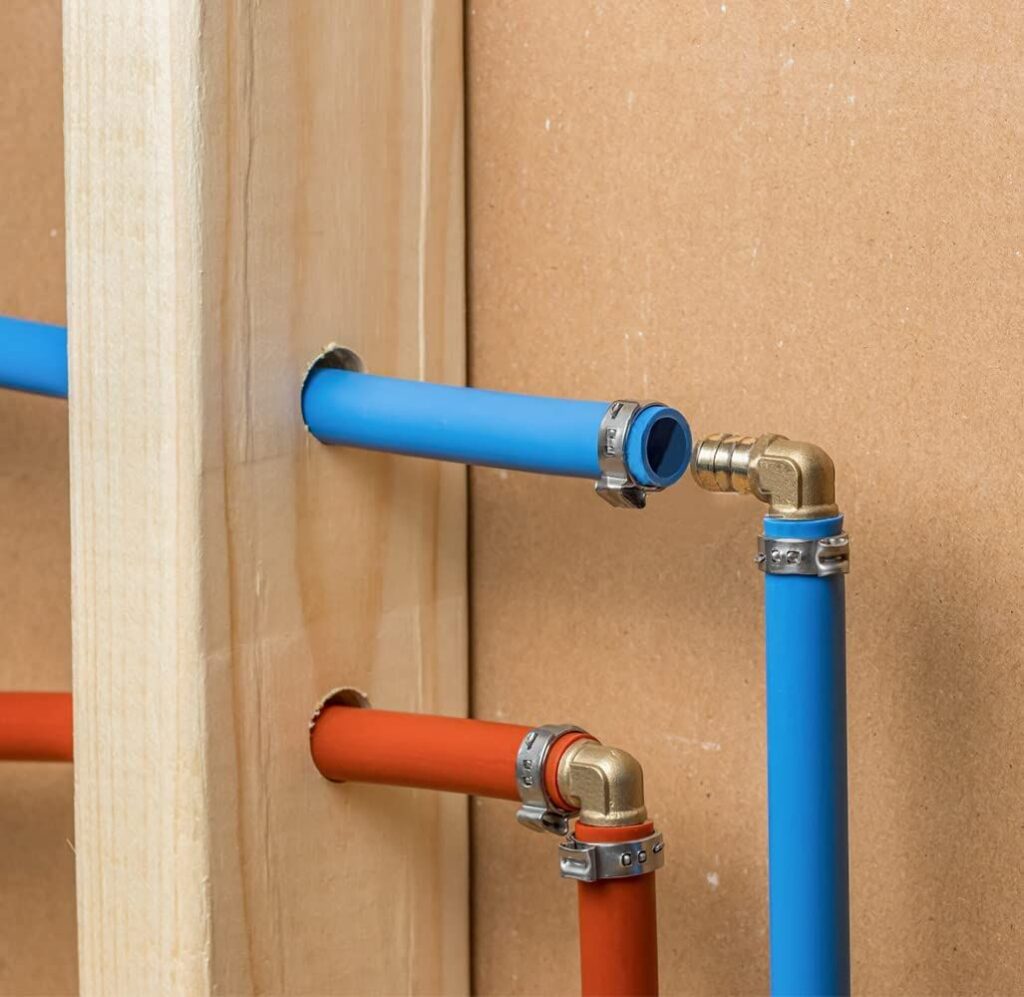
An elbow fitting is a type of plumbing fitting that allows for a change in direction of piping. Typically, they come in 90-degree or 45-degree angles, and they are used in both residential and commercial applications. The primary purpose of these fittings is to connect two sections of pipe while redirecting the flow. This can be particularly useful in tight spaces where straight pipes would not fit.
Why Use Elbow Fittings?
Using elbow fittings in your plumbing system offers several advantages:
- Space-saving: Elbow fittings can help you navigate around corners and obstacles, which is particularly beneficial in smaller areas.
- Efficient flow: By reducing the number of joints and straight lengths of pipe, elbow fittings can help maintain a more consistent flow of water or gas.
- Durability: Many elbow fittings are made from robust materials such as PVC, copper, or stainless steel, ensuring longevity and reliability.
Types of Elbow Fittings
When it comes to elbow fittings, there are several types to consider, each with its unique features:
1. 90-Degree Elbow Fittings
The most common type, the 90-degree elbow fitting, allows for a sharp turn in the piping system. These are particularly useful in plumbing systems where space is limited, and a quick redirection is necessary.
2. 45-Degree Elbow Fittings
For less abrupt turns, the 45-degree elbow fitting is ideal. These fittings help maintain a more gradual flow, which can be beneficial in various applications such as heating systems, where minimizing turbulence is crucial.
3. Street Elbow Fittings
A street elbow fitting has one end designed to fit into a female pipe fitting while the other end has a male thread. This type is particularly useful for connecting pipes in tight spaces where a standard elbow fitting may not fit.
Materials Used in Elbow Fittings
When selecting an elbow fitting, the material is an essential factor to consider:
- PVC: Lightweight and easy to work with, PVC elbow fittings are popular for water drainage systems.
- Copper: Known for its durability and resistance to corrosion, copper elbow fittings are often used in plumbing systems for hot and cold water.
- Stainless Steel: Highly resistant to rust and corrosion, stainless steel elbow fittings are commonly used in industrial applications.
How to Install an Elbow Fitting
Installing an elbow fitting may seem daunting, but with the right tools and a bit of patience, it can be a straightforward process. Here’s a step-by-step guide:
- Turn off the water supply: Before starting any plumbing project, it’s crucial to turn off the water supply to avoid any unwanted flooding.
- Measure and cut the pipe: Use a pipe cutter to measure and cut your pipe to the desired length, ensuring clean, straight edges.
- Deburr the edges: Remove any sharp edges using a deburring tool to prevent damage to the fitting.
- Apply primer and glue (for PVC): If using PVC fittings, apply primer to both the pipe and the fitting, followed by a layer of PVC cement.
- Insert the fitting: Quickly insert the elbow fitting onto the pipe and hold it in place for a few seconds to ensure a secure bond.
- Reconnect the water supply: Once the adhesive has set, turn the water supply back on and check for leaks.
Common Mistakes to Avoid
Even the most experienced DIYers can make mistakes. Here are a few common pitfalls to watch out for:
- Not measuring correctly: Always double-check your measurements before cutting pipes. An incorrect cut can lead to wasted materials and increased costs.
- Ignoring pipe compatibility: Ensure the elbow fitting material matches the pipe material to avoid leaks and other issues.
- Over-tightening: When connecting threaded fittings, over-tightening can lead to cracks or damage.
Frequently Asked Questions
What are the advantages of using elbow fittings?
Elbow fittings allow for efficient direction changes in piping systems, saving space and maintaining smooth fluid flow.
Can I use elbow fittings for gas lines?
Yes, but make sure to use fittings specifically designed for gas applications to ensure safety and compliance with local codes.
How do I know which elbow fitting to use?
Choose the fitting based on the angle required (45 or 90 degrees) and the material that matches your existing pipes.
Are there alternatives to elbow fittings?
Yes, sometimes flexible piping can be used to navigate corners without the need for elbow fittings, although this may not be as effective in all situations.
When to Call a Professional
While many homeowners can handle elbow fitting installations, there are situations where calling a professional is wise. If you’re dealing with complicated plumbing systems, unfamiliar materials, or if you’re simply not comfortable with DIY tasks, don’t hesitate to reach out for help.
Understanding elbow fittings and their importance in plumbing systems can greatly enhance your home improvement projects. From installation tips to troubleshooting common issues, knowledge is power when it comes to tackling plumbing challenges. So the next time you’re in need of a fitting, remember the humble yet vital elbow fitting!