When it comes to **electrical work**, many homeowners often find themselves at a crossroads. Should they tackle minor repairs on their own or call in a professional? The reality is that electrical work can be tricky and sometimes dangerous. As someone who has spent years in the handyman business in Miami, I have seen my fair share of electrical mishaps. In this article, I will share insights on the importance of hiring a licensed electrician, common electrical issues, and tips for homeowners to ensure safety and efficiency in their electrical systems.
Understanding the Importance of Professional Electrical Work
First and foremost, it’s crucial to understand why hiring a professional for **electrical work** is essential. Electricity is not just a convenience; it’s a necessity. It powers our homes, keeps us connected, and makes our daily lives easier. However, working with electricity can lead to severe consequences if not handled correctly.
Licensed electricians undergo extensive training and education to ensure they understand the complexities of electrical systems. They are familiar with local codes and regulations, which is vital for ensuring that any work done is legal and safe. Additionally, they possess the right tools and experience to troubleshoot and fix problems quickly and efficiently, minimizing potential risks.
Common Electrical Issues You Might Encounter
There are several common electrical issues that homeowners face. Here are a few:
- Flickering Lights: This could indicate loose wiring or a problem with the circuit.
- Tripped Breakers: Frequent tripping may mean your circuit is overloaded.
- Dead Outlets: If an outlet is not working, it could be due to faulty wiring or a bad connection.
- Burning Smell: This is a serious issue that should be addressed immediately, as it can indicate overheating wires.
Recognizing these issues can save you time and money. However, attempting to fix them without proper knowledge can lead to bigger problems. That’s where professional electrical work comes into play.
Safety First: Electrical Work and Homeowner Responsibilities
When it comes to electrical systems, safety should always be your top priority. Here are some practical tips for homeowners:
1. Know Your Circuit Breaker Panel
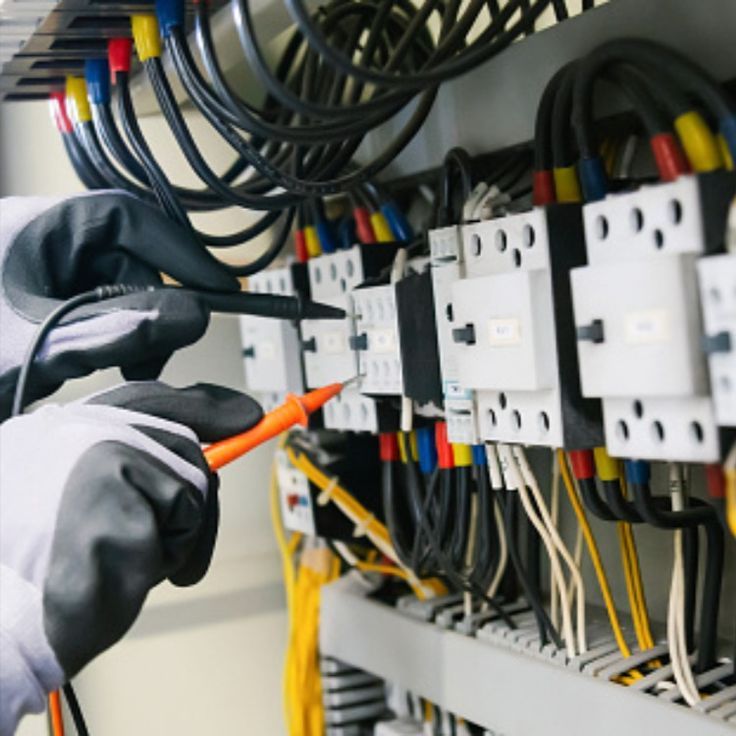
Understanding your circuit breaker panel is essential. Each breaker controls a specific area of your home. If you notice an issue with a particular room, it could be as simple as resetting a breaker. Always ensure you label your circuit breakers for easy identification.
2. Unplug Appliances When Not in Use
This simple habit can prevent electrical fires and save energy. If you are not using an appliance, it’s best to unplug it. This habit is especially important for high-wattage devices like space heaters or irons.
3. Use Surge Protectors
Investing in surge protectors for your electronics can save you from costly repairs. Power surges can damage your devices, and surge protectors act as a buffer, absorbing excess voltage.
When to Call a Professional Electrician
While some electrical tasks can be handled as DIY projects, there are times when it is best to call a professional. Here are some instances:
- If you are adding new circuits or outlets.
- When you notice frequent tripping of circuit breakers.
- If you experience a burning smell or see scorch marks around outlets.
- When you need to upgrade your electrical panel.
In these cases, attempting to fix the problem yourself can lead to further complications or safety hazards. Always err on the side of caution and call in a professional.
Cost Considerations for Electrical Work
Understanding the cost of **electrical work** can help you budget for your home repairs. The price can vary significantly based on the job’s complexity, the materials used, and the electrician’s rates. Here are some common costs:
- Basic service call: $50 – $100
- Installing outlets: $100 – $200 each
- Rewiring a home: $1,500 – $10,000 depending on size and complexity
- Upgrading a panel: $800 – $3,000
It’s always a good idea to get multiple quotes from different professionals to ensure you are getting a fair price. But remember, the cheapest option isn’t always the best. Quality and safety should be your top priorities.
FAQs About Electrical Work
What are the signs that I need electrical repairs?
Common signs include flickering lights, frequent breaker trips, burning smells, and warm outlets. If you notice any of these, it’s time to call a professional.
Can I do my own electrical work?
While minor tasks like changing a light fixture can be DIY, significant electrical work should always be handled by a licensed electrician to ensure safety and compliance with local codes.
How do I find a reliable electrician?
Look for licensed electricians with good reviews in your area. Ask for recommendations from friends and check online ratings. Always verify their credentials before hiring.
What should I do if I experience an electrical emergency?
Immediately turn off the power at the breaker panel and call a licensed electrician. Do not attempt to fix the problem yourself, especially if there is a risk of fire or injury.
In summary, **electrical work** is a crucial aspect of home maintenance that should not be overlooked. By understanding the importance of hiring professionals and recognizing common issues, homeowners can ensure their electrical systems remain safe and efficient. Remember, safety first!