When it comes to home improvement and woodworking, understanding the tools and materials at your disposal is essential. One of the most commonly used items in any handyman’s toolkit is the finishing nail. In this article, we will explore the world of finishing nails, discussing their types, uses, and tips for working with them effectively.
What Are Finishing Nails?
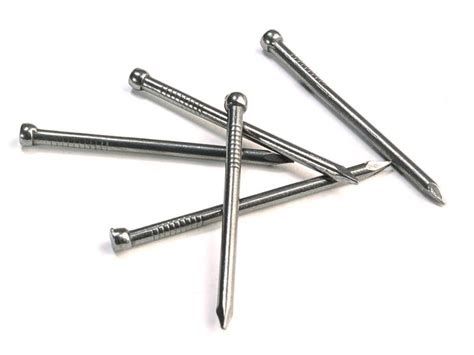
Finishing nails are thin, small nails that are used primarily for attaching trim, molding, and other lightweight materials. Unlike regular nails, which are thicker and often more visible, finishing nails are designed to be subtle. This is why they are the go-to choice for projects where aesthetics matter, such as when installing baseboards or crown molding.
Characteristics of Finishing Nails
- Size: Finishing nails typically range from 1 inch to 2.5 inches in length.
- Head: They have a small, often slightly rounded head, which allows them to be driven into the wood without leaving a noticeable mark.
- Material: Most finishing nails are made of steel, but they can also be found in stainless steel or galvanized options for outdoor projects.
Why Use Finishing Nails?
When tackling a woodworking project, choosing the right type of nail is crucial. Here are some reasons why finishing nails are a favored option:
- Minimized Visibility: The small head allows for a cleaner finish, as the nail can be easily concealed with wood filler or paint.
- Less Splitting: Their thin design reduces the risk of splitting the wood, making them ideal for delicate projects.
- Versatility: They can be used for a variety of applications, from furniture repair to intricate woodworking.
Different Types of Finishing Nails
Not all finishing nails are created equal. Here’s a look at some of the types you might encounter:
- Clipped Head Finishing Nails: These nails have a head that is cut off on one side, allowing for closer spacing and a better fit in tight areas.
- Full Round Head Finishing Nails: These have a fully rounded head, which provides a more traditional look and can be countersunk for a cleaner finish.
- Screws: While not technically nails, some prefer using screws for added strength and stability in certain applications.
How to Work with Finishing Nails
Now that you understand what finishing nails are and their benefits, let’s dive into some practical tips for using them effectively:
Choosing the Right Nail Length
When selecting finishing nails, consider the thickness of the material you’re working with. Generally, a nail should penetrate the underlying wood by at least half its length for a secure hold. For example, if you’re attaching a 1-inch thick piece of trim, a 1.5-inch nail would be appropriate.
Using a Nail Gun vs. Hammer
While you can certainly use a hammer to drive in finishing nails, a nail gun can save time and effort. If you opt for a nail gun, ensure it’s set to the correct pressure to avoid damaging the wood. A nail gun also allows for consistent depth, which is essential for achieving a professional look.
Finishing Techniques
Once the nails are driven in, you’ll want to ensure they are as inconspicuous as possible. Here are some techniques to consider:
- Countersinking: Use a countersink bit to create a small indent for the nail head, allowing for a smooth finish.
- Filling Holes: After countersinking, fill the holes with wood filler that matches the wood color, and sand it smooth once dry.
- Painting or Staining: Finish your project by painting or staining to match the rest of the woodwork.
Common Mistakes to Avoid
Even seasoned handymen can make mistakes when working with finishing nails. Here are some pitfalls to watch out for:
- Using the Wrong Size: Always double-check the length and gauge before starting your project.
- Driving the Nails Too Deep: Avoid overdriving the nails, which can cause damage to the wood or create a weak joint.
- Neglecting to Sand: Failing to sand the area after filling in nail holes can lead to an uneven surface.
Frequently Asked Questions
Can finishing nails be used outdoors?
Yes, but it is recommended to use galvanized or stainless steel finishing nails to prevent rust.
What is the best tool for driving in finishing nails?
A nail gun is generally preferred for speed and efficiency, but a hammer can also be used if precision is needed.
How do you remove finishing nails?
To remove a finishing nail without damaging the wood, use a pair of pliers or a nail puller, and gently rock the nail back and forth while pulling it out.
Are finishing nails stronger than regular nails?
While finishing nails are thinner, they are designed for lighter applications. For heavy-duty projects, regular nails or screws are more appropriate.
In conclusion, finishing nails are an invaluable tool for any handyman or DIY enthusiast. Understanding their characteristics, types, and proper usage will ensure your projects not only look professional but also stand the test of time. So next time you’re working on a home improvement project, remember the importance of using the right finishing nails!