
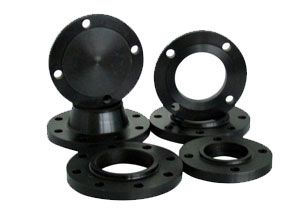
When it comes to plumbing and piping systems, the importance of a flange cannot be overstated. These essential components serve as connection points between pipes, allowing for secure and efficient fluid transportation. Whether you are a DIY enthusiast or someone who simply wants to understand the intricacies of home maintenance, knowing about flanges will certainly come in handy. In this article, we will explore what flanges are, their different types, and their applications in various industries.
What is a Flange?
A flange is a mechanical component that is used to join two pieces of equipment or piping together. Typically made from metal, flanges come in various shapes and sizes, tailored for specific applications. They often have holes around their perimeter, allowing for bolts to be used to fasten them securely to another flange or surface.
Types of Flanges
There are several types of flanges, each designed for different purposes. Below are some of the most common types you might encounter:
- Weld Neck Flange: This type is designed to be welded to the pipe, offering a strong and durable connection.
- Slip-On Flange: As the name suggests, this flange slips over the pipe and is then welded. It’s easier to align but may not be as strong as the weld neck type.
- Blind Flange: Used to seal the end of a piping system, blind flanges do not have a hole in the center.
- Threaded Flange: These flanges have internal threads that allow them to be screwed onto a pipe, making them a good option for easy disassembly.
- Socket Weld Flange: This type is designed for high-pressure applications, where the pipe is inserted into the socket and then welded.
Why Are Flanges Important?
Flanges play a critical role in ensuring the integrity of piping systems. They provide a method for creating a tight seal that can withstand high pressure and temperature. Moreover, they allow for easy maintenance and modification of systems without the need for complete disassembly.
Applications of Flanges
Flanges are used in various industries, including:
- Oil and Gas: In this industry, flanges are essential for connecting pipelines and equipment, ensuring safe and efficient operation.
- Water and Wastewater: Flanges are commonly used in water treatment plants to connect different sections of piping.
- Food and Beverage: Sanitary flanges are used in food processing to maintain hygiene standards while allowing for easy cleaning.
- Power Generation: Flanges are critical in connecting turbines, pumps, and various other components in power plants.
How to Choose the Right Flange
Selecting the right flange for your project can be daunting. Here are some practical tips to help you make the best choice:
- Know Your Application: Understand the requirements of your specific application, including pressure, temperature, and the type of fluid being transported.
- Material Matters: Choose a flange material that is compatible with the fluid and environmental conditions. Common materials include stainless steel, carbon steel, and plastic.
- Check Standards: Ensure that the flange meets relevant industry standards, such as ASME or ANSI, to guarantee safety and reliability.
- Consult Experts: Don’t hesitate to reach out to professionals for advice on the best flange type for your needs.
Installation Tips for Flanges
Installing flanges correctly is crucial to ensure a leak-free system. Here are some installation tips:
- Clean Surfaces: Before installation, make sure that the surfaces of the flanges are clean and free of debris.
- Use Gaskets: A gasket is often used between flanges to create a better seal. Make sure to choose the right type of gasket for your application.
- Torque Specifications: Follow the manufacturer’s guidelines for torque specifications to ensure that the bolts are tightened to the correct level.
- Inspect After Installation: Once the flanges are installed, check for any signs of leaks or misalignment.
Frequently Asked Questions
What are the most common materials used for flanges?
Flanges can be made from various materials, but the most common include stainless steel, carbon steel, and sometimes, plastic for low-pressure applications.
How do I know if a flange is the right size for my pipes?
Flanges are sized according to the nominal pipe size (NPS) and schedule. Ensure that both the flange and the pipe have matching sizes to ensure a proper fit.
Can flanges be reused?
In many cases, flanges can be reused if they are in good condition. However, it’s essential to inspect them for wear or damage before reinstallation.
Are there safety concerns when working with flanges?
Yes, always adhere to safety guidelines when handling flanges, especially in high-pressure or hazardous environments. Proper training and equipment are crucial.
Conclusion
Understanding the significance of a flange can make a world of difference in the maintenance and operation of your plumbing or piping systems. With the right knowledge and tools, you can ensure that your systems remain efficient and leak-free.