
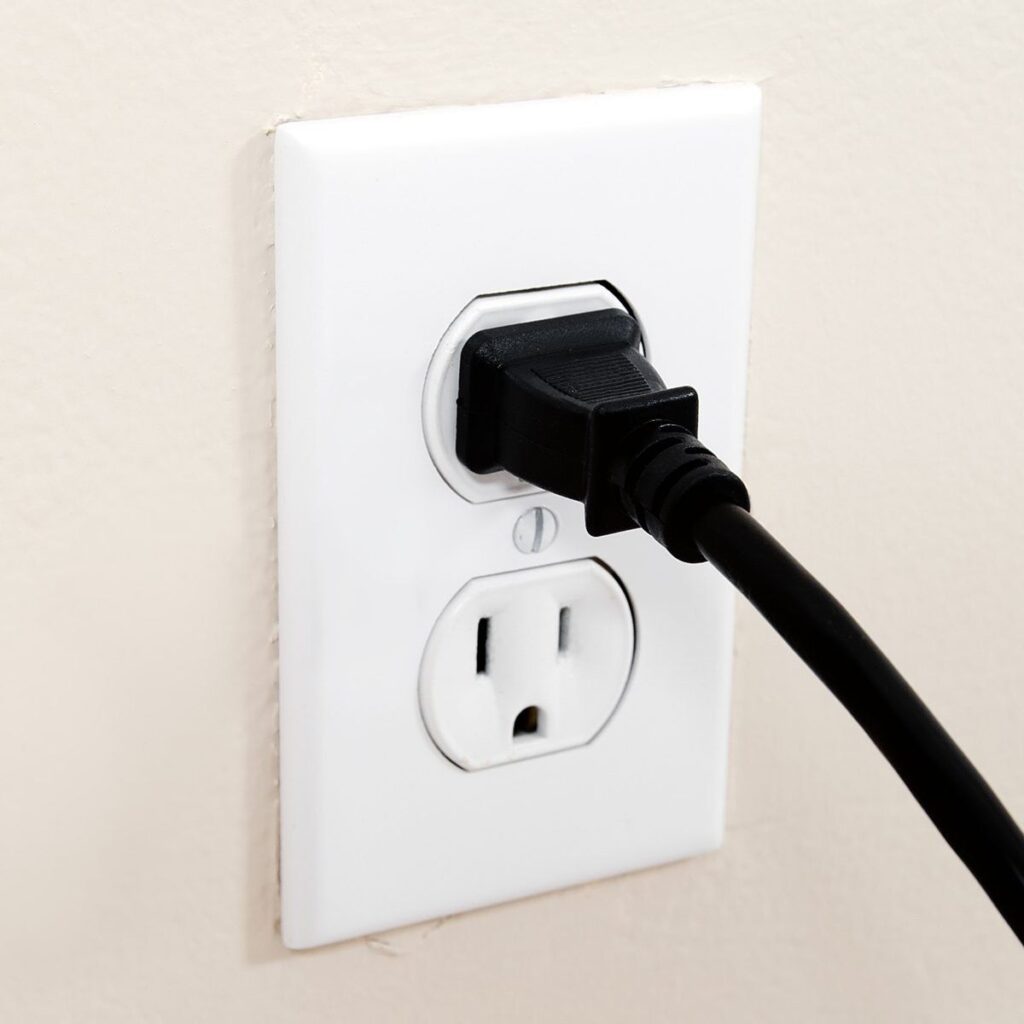
Have you ever wondered why the GFCI outlet is such an essential component in modern electrical systems? If you’ve ever experienced a sudden shock while using an appliance near water, then you already have a glimpse of its importance. Ground Fault Circuit Interrupter (GFCI) outlets are specifically designed to prevent electrical shocks and protect us from potentially life-threatening situations. In this article, I will dive into the details of GFCI outlets, their features, installation tips, and much more.
Understanding GFCI Outlets
So, what exactly is a GFCI outlet? These specialized outlets monitor the flow of electricity and can detect even the slightest imbalance between the outgoing and incoming current. If an imbalance occurs, indicating a potential ground fault, the GFCI outlet will shut off the electricity within milliseconds. This rapid response can mean the difference between a minor scare and a serious injury.
Why You Need GFCI Outlets
Most of us might think that our regular outlets are sufficient, but they are not always safe, especially in areas where water is present. The National Electrical Code (NEC) mandates the use of GFCI outlets in certain locations, such as:
- Bathrooms
- Kitchen countertops
- Outdoor outlets
- Basements
- Garages
These areas are notorious for their wet conditions, making them prime spots for electrical hazards. By using a GFCI outlet, you are taking a proactive approach to safety.
How Does a GFCI Outlet Work?
The magic behind a GFCI outlet lies in its internal circuitry. It continuously monitors the electrical current flowing through the circuit. If it detects a discrepancy, such as when a person touches a live wire, it reacts by cutting off the power. This function is crucial because it can happen so quickly that even the most alert individual may not have time to react.
Installation of GFCI Outlets
Installing a GFCI outlet might sound daunting, but with the right tools and a bit of guidance, it can be a straightforward process. Here’s a brief overview of the steps involved:
- Turn off the power: Before doing anything, ensure that you turn off the circuit breaker to avoid any shocks.
- Remove the old outlet: Unscrew and carefully take out the existing outlet. Make sure to note the wiring configuration.
- Connect the wires: Connect the wires to the new GFCI outlet according to the manufacturer’s instructions. Typically, there are two sets of terminals: line and load.
- Secure the outlet: Once connected, carefully push the outlet back into the wall and secure it with screws.
- Test the outlet: After restoring power, use the test button on the GFCI outlet to ensure it’s functioning correctly.
Remember, if you are uncertain about any step, it is always best to consult a licensed electrician.
Common Issues with GFCI Outlets
Like any other electrical device, GFCI outlets can sometimes experience issues. Here are a few common problems and how to address them:
Tripping Frequently
If your GFCI outlet keeps tripping, it may indicate a problem with the device itself or the connected appliance. Check to ensure that there are no faulty appliances plugged into the outlet. If the problem persists, it may be best to replace the outlet.
Test Button Not Working
Occasionally, the test button on the GFCI outlet may not function. This could be due to a tripped circuit breaker or a malfunctioning GFCI. If the outlet does not reset after pressing the test button, consider replacing it.
Maintaining Your GFCI Outlet
To ensure that your GFCI outlet remains in good working order, regular maintenance is key. Here are some tips:
- Test your GFCI: Regularly use the test button to check that it is functioning correctly. Aim to test it monthly.
- Keep it clean: Dust and debris can accumulate, affecting performance. Wipe the surface gently to keep it clean.
- Check for signs of wear: Look for any signs of damage, such as cracks or discoloration, indicating that it may need replacing.
Frequently Asked Questions about GFCI Outlets
What is the difference between a GFCI outlet and a regular outlet?
A GFCI outlet is designed to cut off electricity in case of a ground fault, while a regular outlet does not have this protective feature. This makes GFCI outlets essential for safety in wet areas.
Can I replace a regular outlet with a GFCI outlet?
Yes, you can replace a regular outlet with a GFCI outlet. However, ensure that the power is turned off and follow proper installation guidelines. If in doubt, consult a professional electrician.
How do I know if my GFCI outlet is working?
You can test the GFCI outlet by pressing the “Test” button. If the outlet trips and the reset button pops out, it is functioning correctly. If it does not trip, you may need to replace it.
The Importance of GFCI Outlets in Modern Homes
In conclusion, the role of GFCI outlets in protecting against electrical hazards cannot be undermined. They are a vital addition to any home, particularly in areas prone to moisture. Whether you are a homeowner or a renter, understanding GFCI outlets can help you make informed decisions about your safety.
So, the next time you step into your bathroom or kitchen, take a moment to appreciate the humble GFCI outlet and the peace of mind it brings. After all, when it comes to safety, it’s better to be safe than sorry!