
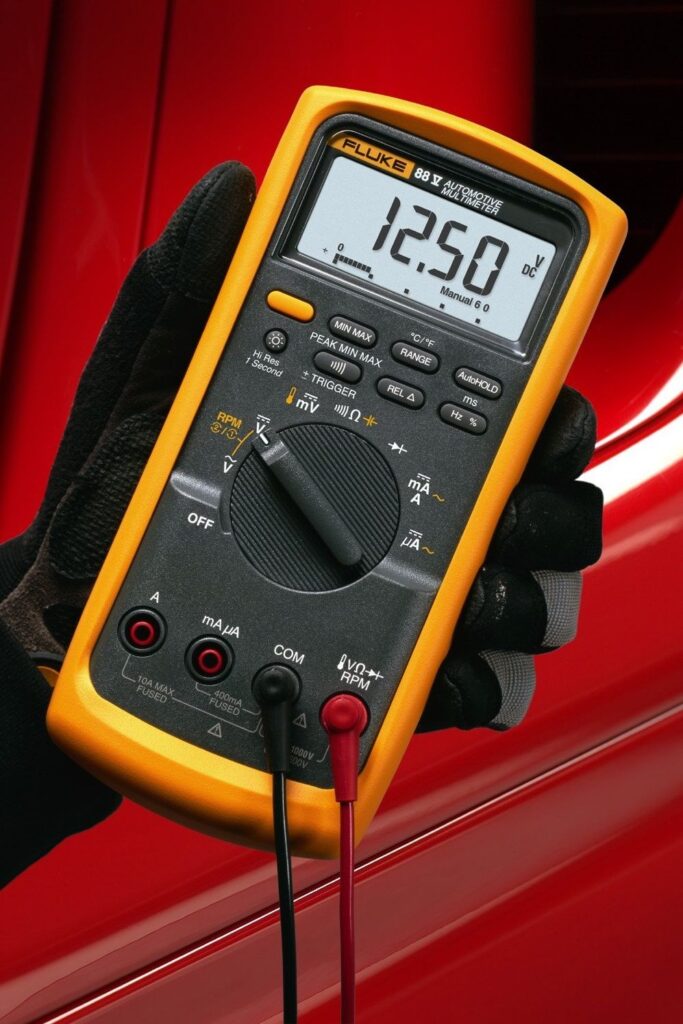
When it comes to electrical work, having the right tools is essential, and one tool that stands out is the multimeter. This handy device has become a crucial part of any electrician’s toolkit, and for good reason. Whether you’re a professional or a DIY enthusiast, understanding how to use a multimeter can save you time, money, and even ensure your safety. In this article, we’re going to explore the ins and outs of multimeters, how they work, and why they are an indispensable tool in electrical measurement.
What is a Multimeter?
A multimeter, also known as a volt/ohm meter (VOM), is an electronic measuring instrument that can measure voltage, current, and resistance. It typically has two probes that can be connected to a circuit to take precise readings. There are two main types of multimeters: analog and digital. While analog multimeters use a needle and dial to display readings, digital multimeters (DMMs) provide a numeric display, making them easier to read and interpret.
Types of Multimeters
- Analog Multimeters: These are the traditional type of multimeter, featuring a needle that moves across a scale. They are less common today but can be useful in certain situations.
- Digital Multimeters: The most popular type today, DMMs offer precise readings, often with added features like backlit displays and data hold functions.
- Clamp Multimeters: These allow you to measure current without making direct contact with the circuit. They are especially useful for measuring high currents.
Why Use a Multimeter?
Using a multimeter can be beneficial for several reasons. First and foremost, it provides accurate measurements that can help diagnose electrical issues. For example, if an appliance isn’t working, a quick check with a multimeter can tell you if there is a problem with the electricity supply. Additionally, for those who enjoy DIY projects, a multimeter can help ensure that electrical installations are safe and compliant with standards.
Common Applications of Multimeters
- Checking Voltage: Whether it’s AC or DC voltage, knowing how to measure voltage can help troubleshoot electrical problems.
- Measuring Current: Understanding how to measure current can prevent overloads and ensure that devices are operating within safe limits.
- Testing Resistance: This is crucial when checking the integrity of wires and connections.
How to Use a Multimeter
Using a multimeter might seem daunting at first, but with a bit of practice, it can become second nature. Here’s a simple guide on how to use a multimeter:
Step-by-Step Instructions
- Turn on the Multimeter: Make sure it’s set to the correct measurement type (voltage, current, or resistance).
- Connect the Probes: Insert the black probe into the COM port and the red probe into the VΩmA port for measuring voltage and resistance.
- Select the Measurement: Choose whether you want to measure AC or DC voltage, or resistance.
- Take the Measurement: Touch the probes to the circuit or device you’re testing. Read the display for the measurement.
- Turn Off the Multimeter: Always turn it off when not in use to preserve battery life.
Safety Tips When Using a Multimeter
Safety should always be a priority when working with electrical devices. Here are some essential safety tips to keep in mind:
- Always start with a low voltage setting: If you’re unsure of the voltage, start low and work your way up.
- Check the probes: Ensure that probes are in good condition and not damaged.
- Never exceed the maximum rating: Each multimeter has a maximum voltage and current rating, so never exceed these limits.
- Use appropriate personal protective equipment (PPE): Depending on the situation, consider wearing gloves and safety glasses.
Frequently Asked Questions About Multimeters
1. Can I use a multimeter to test batteries?
Yes! A multimeter is perfect for checking battery voltage. Simply set it to measure DC voltage and connect the probes to the battery terminals.
2. What is the difference between AC and DC voltage?
AC (Alternating Current) voltage changes direction periodically, while DC (Direct Current) voltage flows in one direction. Knowing the type of voltage is crucial for accurate measurements.
3. How do I know if my multimeter is working correctly?
Test it on a known live circuit or a new battery. If it gives the expected readings, it’s likely functioning properly.
4. Is it safe to use a multimeter on live circuits?
Yes, but with caution. Always ensure you are using the multimeter correctly and within its rating. If you’re not confident, consult a professional.
Final Thoughts on Multimeters
In summary, a multimeter is an essential tool for anyone working with electrical systems. Its ability to measure voltage, current, and resistance makes it invaluable for troubleshooting and maintaining electrical equipment. Whether you’re a seasoned electrician or a budding DIYer, mastering the use of a multimeter can enhance your skills and confidence in handling electrical tasks.
So, the next time you find yourself facing an electrical challenge, remember—having a reliable multimeter on hand can make all the difference.