As a handyman in Miami, I’ve come across various tools that make my job easier, and one tool that stands out among the rest is the nailer. Whether you’re a seasoned professional or a DIY enthusiast, understanding how to use a nailer can greatly enhance your woodworking projects. In this article, I will share my experiences, insights, and tips about nailers, covering everything from their types to their uses.
What is a nailer?
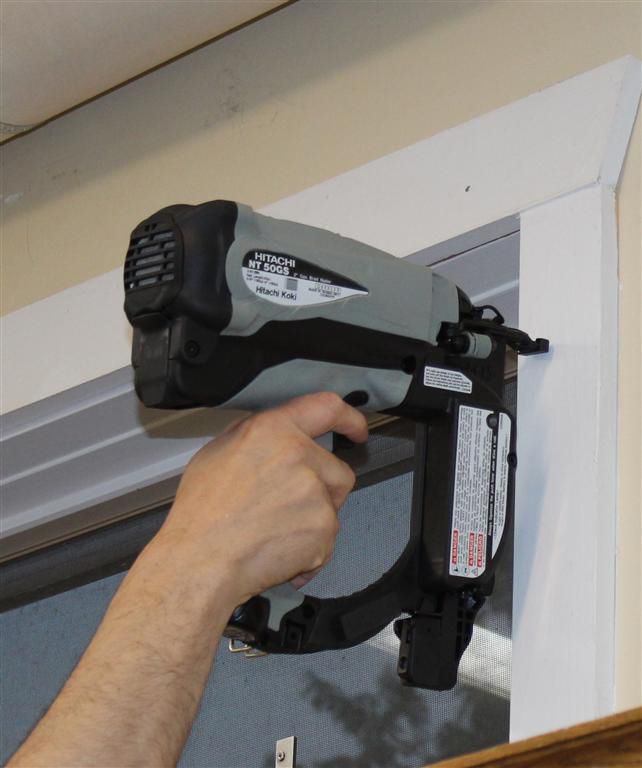
A nailer, often referred to as a nail gun, is a power tool that drives nails into wood or other materials. Unlike traditional hammers, which require physical strength and accuracy, nailers offer speed and efficiency. They are commonly used in framing, roofing, and finishing work, making them a versatile addition to any toolbox.
Types of nailers
There are several types of nailers available, each designed for specific applications. Understanding these differences can help you choose the right nailer for your project.
- Framing nailers: These heavy-duty nailers are used for structural work, such as building walls and roofs. They typically use larger nails, which provide a strong hold.
- Finish nailers: Ideal for trim work, these nailers use smaller nails that leave a less noticeable mark. They’re perfect for attaching molding, baseboards, and furniture.
- Brad nailers: A brad nailer is similar to a finish nailer but uses even smaller nails. It’s excellent for delicate work, such as attaching thin pieces of wood.
- Roofing nailers: Specifically designed for roofing materials, these nailers help secure shingles and other roofing components quickly and efficiently.
Choosing the right nailer
When selecting a nailer, several factors should be considered. The type of project, the materials being used, and your budget all play a role in determining the best nailer for your needs.
Project type
Different projects require different types of nailers. For instance, if you’re working on a home renovation that involves framing, a framing nailer would be your best bet. On the other hand, if you’re adding trim or molding, a finish nailer would be more appropriate.
Material compatibility
Another important aspect to consider is the materials you’ll be working with. Some nailers are designed specifically for certain materials, so it’s essential to choose one that matches your project requirements. For example, if you’re working with hardwood, you’ll want a nailer that can handle the density of the wood.
Using a nailer effectively
Once you’ve chosen the right nailer, it’s time to put it to work. Here are some practical tips for using a nailer effectively:
- Read the manual: Before using your nailer, take the time to read the manufacturer’s manual. Familiarize yourself with the tool’s features, safety precautions, and operating instructions.
- Wear safety gear: Safety should always be a priority. Wear safety goggles, hearing protection, and a dust mask when using a nailer to protect yourself from flying debris and noise.
- Practice makes perfect: If you’re new to using a nailer, practice on scrap wood before starting your actual project. This will help you get a feel for the tool and improve your accuracy.
- Maintain your nailer: Regular maintenance is crucial for keeping your nailer in optimal condition. Clean the tool after each use and check for any signs of wear or damage.
Common mistakes to avoid
Even experienced users can make mistakes when using a nailer. Here are some common pitfalls and how to avoid them:
- Using the wrong nails: Always ensure you’re using the correct type and size of nails for your nailer. Using the wrong nails can lead to misfires and damage to your workpiece.
- Inadequate pressure: If you’re using a pneumatic nailer, make sure the air pressure is set correctly. Low pressure can result in nails not being driven in fully, while high pressure can cause nails to penetrate too deeply.
- Not holding the nailer correctly: Ensure you have a firm grip on the tool and that it’s properly aligned with your workpiece. This will help prevent misfires and ensure accuracy.
Frequently Asked Questions
Can I use a nailer for all types of wood?
While nailers can handle a variety of wood types, it’s essential to choose the right nailer for the specific material. Hardwoods may require more powerful nailers or different nail types than softwoods.
Is it safe to use a nailer?
Yes, nailers are safe when used correctly. Always follow safety guidelines, wear appropriate protective gear, and familiarize yourself with the tool’s operation before use.
How do I maintain my nailer?
Maintenance includes regular cleaning, checking for wear and tear, and ensuring all components are functioning correctly. Refer to the manufacturer’s manual for specific maintenance instructions.
What should I do if my nailer jams?
If your nailer jams, turn it off, disconnect it from the power source, and carefully remove the jammed nails. Refer to the manual for additional troubleshooting tips.
Final thoughts
Understanding how to use a nailer effectively can significantly improve your woodworking projects. By choosing the right tool, practicing proper techniques, and avoiding common mistakes, you can achieve professional-quality results in your DIY endeavors. Remember, whether you’re framing a house or finishing a piece of furniture, the right nailer can make all the difference!