When it comes to woodworking and home improvement, having the right tools can make all the difference. One essential tool that often finds its way into the hands of both professionals and DIY enthusiasts is the orbital sander. This versatile piece of equipment is designed to smooth surfaces and prepare them for finishing, providing a flawless finish that can elevate any project. Whether you are working on furniture, flooring, or cabinetry, understanding how to effectively use an orbital sander can save you time and yield impressive results.
What is an Orbital Sander?
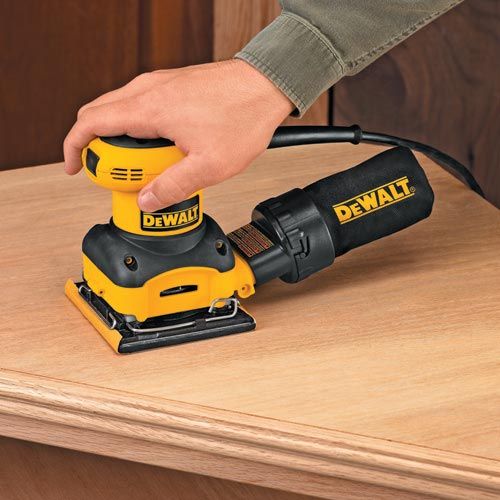
An orbital sander, also known as a random orbit sander, is a power tool that features a sanding disc that moves in both a circular motion and an eccentric motion. This unique combination allows for the removal of material quickly while minimizing the risk of sanding marks. Unlike traditional sanders, which can leave visible swirl patterns, an orbital sander ensures a smooth, even finish on a variety of surfaces.
Key Features of Orbital Sanders
- Random Orbit Action: The dual motion of the sanding disc helps to prevent swirl marks.
- Dust Collection: Many models come equipped with a dust collection system, making cleanup easier.
- Variable Speed Settings: Adjusting the speed allows for more control, especially on delicate surfaces.
- Ergonomic Design: A comfortable grip reduces fatigue during extended use.
Why Choose an Orbital Sander?
There are several compelling reasons to consider using an orbital sander for your next project:
- Versatility: Orbital sanders can be used on a wide range of materials, including wood, plastic, and even some metals.
- Ease of Use: These sanders are generally lightweight and easy to handle, making them suitable for both novices and seasoned pros.
- Quick Finish: The efficient sanding action means projects can be completed faster, allowing for more time spent on other tasks.
How to Use an Orbital Sander Effectively
Using an orbital sander correctly can make a significant difference in the quality of your work. Here’s a step-by-step guide to help you get started:
- Choose the Right Sandpaper: Select sandpaper that matches the project requirements. Coarse grits (40-60) are best for heavy material removal, while finer grits (120-220) are ideal for finishing.
- Prepare the Surface: Ensure the surface is clean and free of debris. Removing old finishes or coatings may be necessary for optimal results.
- Attach the Sandpaper: Secure the sandpaper to the sanding disc, ensuring it is firmly in place.
- Start Sanding: Turn on the sander and gently guide it across the surface, applying even pressure. Avoid pressing too hard, as this can damage the material.
- Check Your Progress: Frequently stop to check the surface to ensure you haven’t over-sanded or missed any spots.
- Finish Up: Once satisfied with the sanding, clean the surface and prepare it for the next steps, whether that be staining, painting, or sealing.
Common Mistakes to Avoid
Even seasoned users can make mistakes when using an orbital sander. Here are some common pitfalls to avoid:
- Using the Wrong Grit: Always use the appropriate grit for the task at hand. Starting with too fine a grit can lead to frustration and poor results.
- Over-sanding: It’s easy to get carried away, but over-sanding can damage the material. Keep an eye on your progress.
- Neglecting Dust Collection: Failing to use the dust collection feature can lead to a messy workspace and hinder visibility.
Maintenance Tips for Your Orbital Sander
To ensure your orbital sander remains in top condition, consider the following maintenance tips:
- Clean the Dust Collection: Regularly empty the dust bag or clean the filter to maintain suction power.
- Check the Sanding Pad: Inspect the sanding pad for wear and replace it when necessary to ensure optimal performance.
- Store Properly: Store your sander in a dry place, and avoid dropping it to prevent damage.
Frequently Asked Questions
Can I use an orbital sander on painted surfaces?
Yes, an orbital sander can be used on painted surfaces, but it’s essential to start with a coarser grit to remove the paint effectively. Always test a small area first to avoid damaging the underlying material.
How do I know which grit to use?
For heavy material removal or rough surfaces, start with a coarse grit (40-60). For smoothing surfaces, medium grit (80-120) is ideal, while fine grit (150-220) is best for finishing touches.
Is it necessary to wear a mask while using an orbital sander?
Yes, wearing a mask is recommended to protect your lungs from dust and particles generated during sanding.
How often should I replace the sandpaper?
Replace the sandpaper when it becomes dull or clogged. The frequency will depend on the type of material being sanded and the intensity of use.
Conclusion
In summary, an orbital sander is an indispensable tool for anyone looking to achieve a professional finish on their woodworking projects. By understanding how to use it effectively and avoiding common mistakes, you can ensure that your projects turn out beautifully. Remember, practice makes perfect, so don’t be afraid to experiment and find what works best for you!
“`