When it comes to plumbing, one tool stands out for its versatility and effectiveness: the pipe wrench. This indispensable tool is a must-have for both professional plumbers and DIY enthusiasts alike. Whether you’re dealing with a leaky faucet, a clogged drain, or even installing new plumbing fixtures, understanding how to use a pipe wrench can save you time, money, and a whole lot of frustration.
What is a Pipe Wrench?
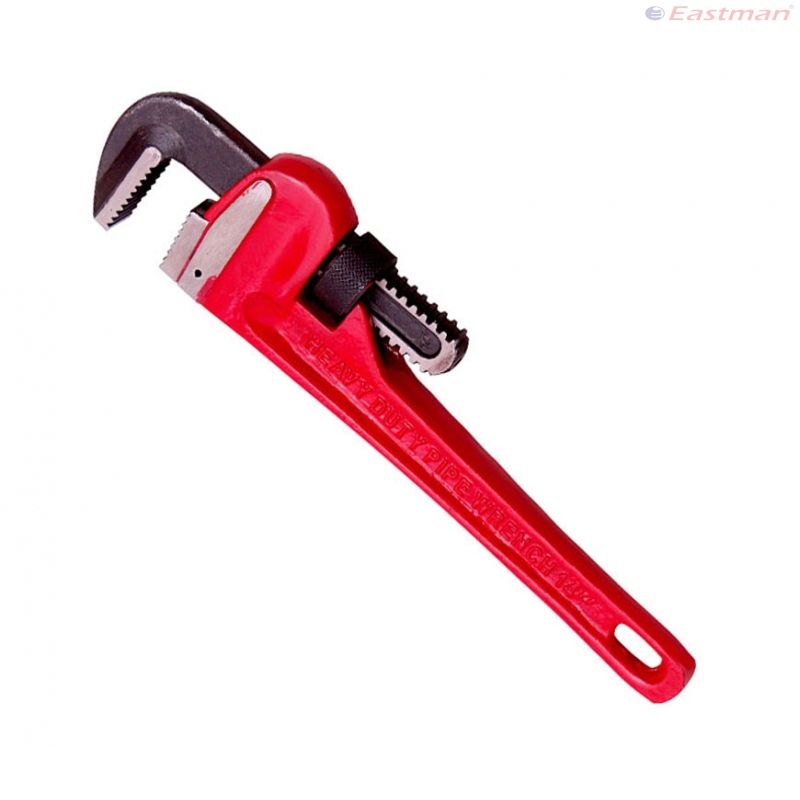
A pipe wrench is a type of adjustable wrench specifically designed for gripping and turning cylindrical objects, particularly pipes. It features serrated teeth on the jaws that grip the surface of the pipe, providing a firm hold. The design allows for easy adjustment, making it suitable for various pipe sizes. But it’s not just about turning pipes; the pipe wrench is also essential for loosening stubborn fittings that refuse to budge.
Different Types of Pipe Wrenches
- Standard Pipe Wrench: This is the classic design most people are familiar with. It’s perfect for gripping metal pipes and works well in tight spaces.
- Chain Wrench: This type uses a chain to grip larger pipes and fittings. It’s particularly useful for working with irregularly shaped objects.
- Strap Wrench: Ideal for delicate surfaces, this wrench uses a strap instead of teeth to prevent damage while still providing a solid grip.
How to Use a Pipe Wrench Effectively
Using a pipe wrench might seem straightforward, but there are some tips and tricks that can make your experience smoother and more effective. Here’s how to use it properly:
Step-by-Step Guide
- Choose the Right Size: It’s important to select the right size wrench for the job. A wrench that is too small won’t grip properly, while one that’s too large can be unwieldy.
- Adjust the Jaw: Open the jaws of the wrench by turning the adjustment knob. The jaws should be wide enough to fit around the pipe but not so loose that they slip off.
- Position the Wrench: Place the wrench on the pipe with the teeth facing the direction of the turn. This ensures a better grip when you start to apply force.
- Apply Pressure: Turn the wrench handle to tighten the grip on the pipe. Make sure you’re applying pressure in the direction you want to turn the pipe.
- Loosen Carefully: When loosening pipes, ensure you’re turning the wrench in the correct direction. Always double-check to prevent any potential damage.
Common Mistakes to Avoid
Even seasoned plumbers can make mistakes when using a pipe wrench. Here are some common pitfalls to steer clear of:
- Using Excessive Force: Applying too much pressure can damage the pipe or fittings. Always use just enough force to get the job done.
- Neglecting Maintenance: A rusty or dirty wrench won’t grip well. Regular maintenance ensures your tools are in top condition.
- Wrong Direction: Always remember the saying: “Righty-tighty, lefty-loosey.” It’s easy to get confused, especially in tight spaces.
When to Use a Pipe Wrench
Knowing when to reach for your pipe wrench is just as important as knowing how to use it. Here are some scenarios where this tool shines:
Installing New Plumbing Fixtures
When you’re installing new faucets or sinks, a pipe wrench is invaluable for securing connections and ensuring a tight fit.
Repairing Leaks
If you encounter a leak, the first step is often to tighten or replace the fittings. A pipe wrench can help you do this efficiently.
Removing Stubborn Pipes
Old, corroded pipes can be a nightmare to remove. A pipe wrench provides the leverage needed to loosen these stubborn fittings.
Pipe Wrench Safety Tips
Safety should always be a priority when working with tools. Here are some safety tips to keep in mind:
- Wear Safety Goggles: Protect your eyes from debris, especially when working with old pipes.
- Use Gloves: A pair of sturdy gloves can provide grip and protect your hands from sharp edges.
- Work in a Well-Lit Area: Good lighting ensures you can see what you’re doing and helps prevent accidents.
Frequently Asked Questions
What size pipe wrench do I need?
The size of the pipe wrench you’ll need depends on the diameter of the pipes you are working with. For most home plumbing, a 14-inch or 18-inch wrench is a good starting point.
Can a pipe wrench damage my pipes?
Yes, if used improperly, a pipe wrench can damage pipes, especially softer materials like PVC. Always use the right type of wrench for the material.
How do I maintain my pipe wrench?
Regularly clean your pipe wrench with soapy water and a brush to remove grime. Lubricate moving parts with oil to keep it functioning smoothly.
Are there alternatives to a pipe wrench?
Yes, alternatives include adjustable wrenches, channel locks, and strap wrenches. Each has its strengths depending on the task at hand.
In summary, the pipe wrench remains an essential tool for anyone dealing with plumbing tasks. Mastering its use can lead to more successful projects and fewer headaches. With the right knowledge and care, you’ll be tackling plumbing challenges with confidence in no time!