Have you ever faced a plumbing issue that made you feel like your world was coming to an end? Trust me, I’ve been there! Plumbing problems can arise unexpectedly, and they often bring a wave of stress along with them. That’s why it’s essential to understand the basics of plumbing. In this article, I’m going to delve into the world of plumbing, ensuring that you’re well-equipped to handle any situation that may arise. Let’s explore the fundamentals of plumbing, the common issues you might encounter, and some practical tips to keep your home running smoothly.
Understanding the Basics of Plumbing
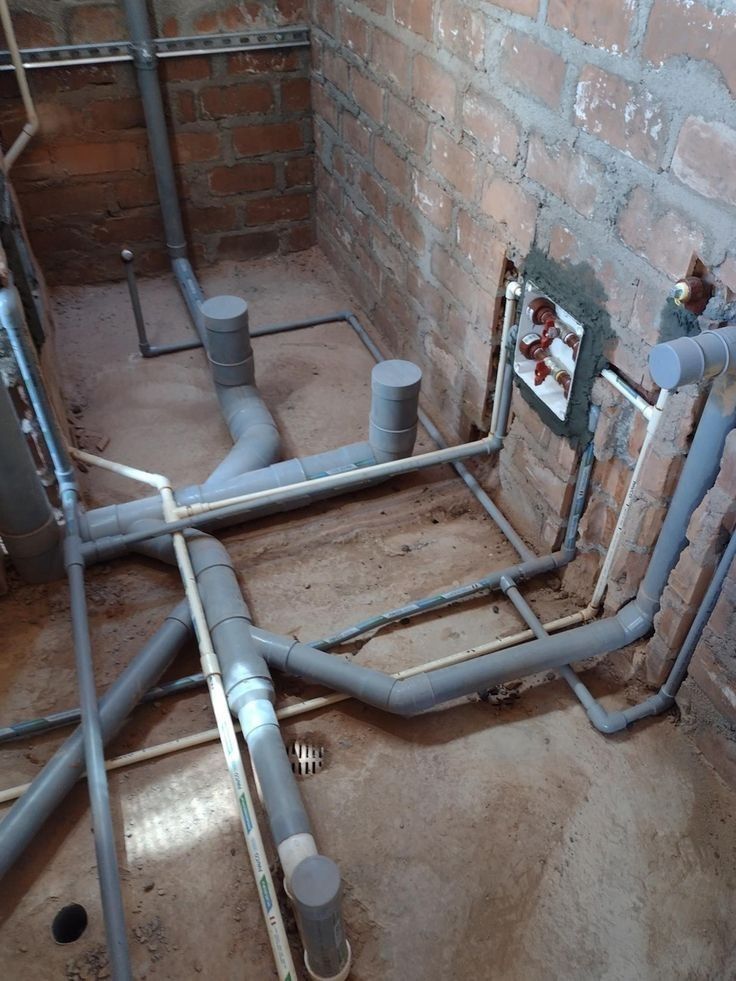
Before we jump into specific problems and solutions, let’s clarify what plumbing actually is. Plumbing refers to the system of pipes, drains, fittings, valves, and fixtures that are installed in a building for the distribution of water for drinking, heating, and washing, and the removal of waterborne wastes. In other words, it’s the backbone of our everyday comfort.
The Importance of a Good Plumbing System
A well-functioning plumbing system is crucial for maintaining a healthy and comfortable home. Did you know that over 1 trillion gallons of water are wasted each year due to leaks? That’s a staggering amount! Regular maintenance and awareness can prevent these issues and save you money in the long run.
Common Plumbing Issues You Might Encounter
Even the best plumbing systems can experience problems from time to time. Here are some of the most common plumbing issues that homeowners face:
- Clogged Drains: This is perhaps the most frequent issue. Over time, debris, grease, and other materials can accumulate in your pipes, causing slow drainage or complete blockages.
- Leaky Faucets: A leaky faucet can be more than just annoying; it can also lead to higher water bills and wasted resources.
- Running Toilets: This issue can waste a significant amount of water if not addressed promptly. A malfunctioning flapper or fill valve is often the culprit.
- Low Water Pressure: If you notice a decrease in your water pressure, it could indicate a larger plumbing issue, such as a leak or a blockage in the main line.
- Water Heater Problems: Whether it’s not providing enough hot water or making unusual noises, issues with your water heater can be inconvenient and frustrating.
How to Troubleshoot Common Plumbing Problems
Now that you’re aware of some common plumbing issues, let’s discuss how to troubleshoot them effectively.
Dealing with Clogged Drains
When it comes to clogged drains, prevention is key. Avoid pouring grease down the sink and use a drain cover to catch hair and debris. If you find yourself facing a blockage, try using a plunger first. If that doesn’t work, a mixture of baking soda and vinegar can do wonders. Pour it down the drain, wait for a few minutes, and then rinse with hot water.
Fixing Leaky Faucets
Leaking faucets can usually be fixed with a simple replacement of the washer or O-ring. Start by turning off the water supply, disassembling the faucet, and replacing the worn parts. It’s a straightforward DIY project that can save you money and reduce water waste.
Addressing Running Toilets
If your toilet is running constantly, check the flapper and the fill valve. These components are often the cause of the problem. Replacing them is usually a matter of a few screws and some elbow grease.
When to Call a Professional Plumber
While many plumbing issues can be handled with a bit of know-how and determination, there are times when it’s best to call in the experts. If you’re dealing with a major leak, a broken pipe, or if you’re simply unsure about how to proceed, don’t hesitate to reach out to a professional plumber.
Benefits of Hiring a Professional
Hiring a professional plumber may seem like an added expense, but it can save you time, money, and stress in the long run. Professionals have the necessary tools and expertise to diagnose and fix problems efficiently. Plus, they can offer valuable advice on maintaining your plumbing system and preventing future issues.
Preventive Maintenance Tips
Prevention is always better than cure, especially when it comes to plumbing. Here are some essential preventive maintenance tips:
- Regular Inspections: Schedule routine inspections of your plumbing system to catch potential issues early.
- Know Your Valves: Familiarize yourself with the location of your main water shut-off valve and individual valves for appliances. This can save you in an emergency.
- Drain Cleaning: Consider professional drain cleaning services at least once a year to prevent buildup.
- Winterize Your Plumbing: If you live in a colder climate, make sure to winterize your pipes to prevent freezing and bursting.
Frequently Asked Questions About Plumbing
What should I do if I have a plumbing emergency?
If you experience a plumbing emergency, the first step is to turn off the main water supply to prevent further damage. Then, contact a professional plumber immediately.
How can I prevent clogged drains?
To prevent clogged drains, avoid putting grease, food waste, or hair down the sink. Use drain covers and clean your drains regularly with baking soda and vinegar.
Is it worth it to hire a plumber for minor repairs?
Even for minor repairs, hiring a plumber can be worth it if you’re unsure about the process. It saves time and ensures the job is done correctly.
The Future of Plumbing
As technology advances, so does the plumbing industry. Smart plumbing systems are becoming more popular, allowing homeowners to monitor their water usage and detect leaks through apps on their smartphones. This not only enhances convenience but also promotes water conservation.
In conclusion, understanding the basics of plumbing is essential for every homeowner. By being aware of common issues, knowing how to troubleshoot them, and recognizing when to call a professional, you can maintain a healthy plumbing system and enjoy peace of mind in your home.