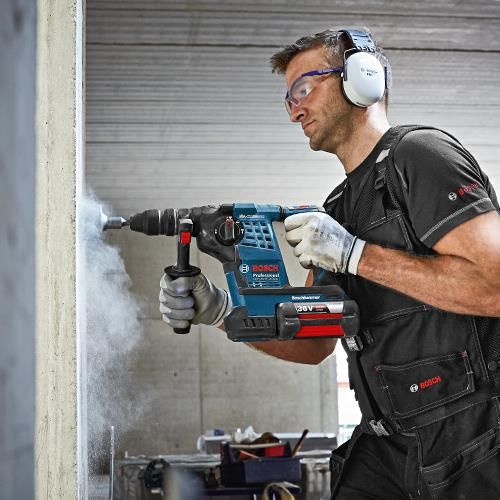
As a handyman navigating the vibrant landscape of Miami, I often find myself reaching for my trusty power drill. The **power drill** has become an essential tool in my toolkit, transforming mundane tasks into efficient and enjoyable projects. Whether it’s assembling furniture, hanging shelves, or tackling DIY home improvements, a good power drill is indispensable. Let’s delve into the world of power drills and explore why they are a must-have for any homeowner or DIY enthusiast.
Understanding the Basics of Power Drills
Power drills come in various shapes and sizes, but they all share a common purpose: to make drilling and driving easier and quicker. At their core, power drills are designed to rotate drill bits or screwdriver bits at high speeds, allowing for precise and efficient work.
Types of Power Drills
- Corded Power Drills: These drills are plugged into an electrical outlet, providing unlimited power for extended use. They are ideal for heavy-duty tasks but can be restrictive due to the cord.
- Cordless Power Drills: As the name suggests, these drills operate on batteries, offering greater mobility and convenience. They are perfect for smaller projects and tight spaces.
- Hammer Drills: Designed for drilling into harder materials like concrete, these drills combine rotary motion with a hammering action, making them incredibly effective for tough jobs.
- Impact Drivers: These tools are specifically designed for driving screws and bolts with high torque. They are a great addition to any handyman’s arsenal.
Choosing the Right Power Drill
When selecting a power drill, several factors need to be considered to ensure that it meets your needs effectively. Here are some key points to keep in mind:
Power and Voltage
The power of a drill is measured in volts. For cordless models, higher voltage generally means more power. A drill rated at 18V or above is typically suitable for most household tasks. However, if you plan on tackling more heavy-duty projects, opting for a 20V or even higher model is advisable.
Chuck Size
The chuck is the part of the drill that holds the drill bit in place. Most drills come with either a 1/2-inch or 3/8-inch chuck. A 1/2-inch chuck is more versatile, allowing for larger bits, which can be beneficial for various projects.
Speed Settings
Variable speed settings are a game-changer. They allow you to adjust the speed of the drill based on the material you’re working with. Lower speeds are perfect for driving screws, while higher speeds suit drilling. Look for drills with at least two speed settings for versatility.
Practical Tips for Using a Power Drill
Now that you have selected the right power drill, it’s time to put it to use. Here are some practical tips to maximize your drilling experience:
Safety First
Always wear safety goggles to protect your eyes from debris. Additionally, ensure that your work area is clear and well-lit to avoid accidents.
Drill Bit Selection
Using the right drill bit for the job is crucial. For wood, use standard twist bits; for metal, opt for high-speed steel bits; and for masonry, use masonry bits designed to handle tough surfaces. Having a variety of bits on hand will make your projects smoother.
Pre-Drill Pilot Holes
When driving screws, consider pre-drilling pilot holes. This technique prevents wood from splitting and ensures screws go in straight. It’s a small step that can make a significant difference in the outcome of your project.
Maintaining Your Power Drill
A well-maintained power drill can last for years, making it a worthwhile investment. Here are some maintenance tips to keep your drill in top shape:
Regular Cleaning
After each use, wipe down your drill to remove dust and debris. This simple step can prevent buildup that may affect performance over time.
Check the Battery
If you’re using a cordless drill, make sure to regularly check the battery’s health. Replace it if you notice a decline in performance, as a weak battery can hinder your work.
Inspect the Chuck
Ensure that the chuck is functioning properly and securely holds the drill bits. If it’s loose or damaged, it may need replacement to ensure safe and efficient operation.
Power Drill FAQs
What is the purpose of a power drill?
A power drill is used for drilling holes and driving screws into various materials. Its versatility makes it a vital tool for home improvement and construction projects.
How do I know which drill bit to use?
Choosing the right drill bit depends on the material you’re working with. Refer to the packaging or specifications of the bit for guidance on its intended use.
Can I use a power drill for anything other than drilling?
Absolutely! A power drill can be used for driving screws, mixing paint, and even sanding with the right attachments. Its multifunctionality is one of its strongest advantages.
How often should I replace my drill bits?
Drill bits should be replaced when they become dull or damaged. Regular use can wear them down, so it’s wise to keep spare bits handy.
In conclusion, the **power drill** is an essential tool for anyone looking to tackle home improvement projects. Its versatility, ease of use, and ability to save time make it a favorite among handymen and DIY enthusiasts alike. By understanding the different types of drills, selecting the right one for your needs, and following practical tips for use and maintenance, you can unlock the full potential of this remarkable tool. So gear up, get your power drill, and let the projects begin!