When it comes to home improvement, one of the most significant aspects to consider is your roof. A well-maintained roof not only protects your home but also enhances its curb appeal and value. In this article, we will dive into the various aspects of roofing, from choosing the right materials to understanding maintenance practices that can prolong the life of your roof.
Understanding Roofing Materials
There are various types of roofing materials available, each with its own benefits and drawbacks. Here’s an overview of some popular options:
- Asphalt Shingles: These are the most common roofing materials in North America. They are affordable, easy to install, and come in a variety of colors. However, they may not last as long as other materials.
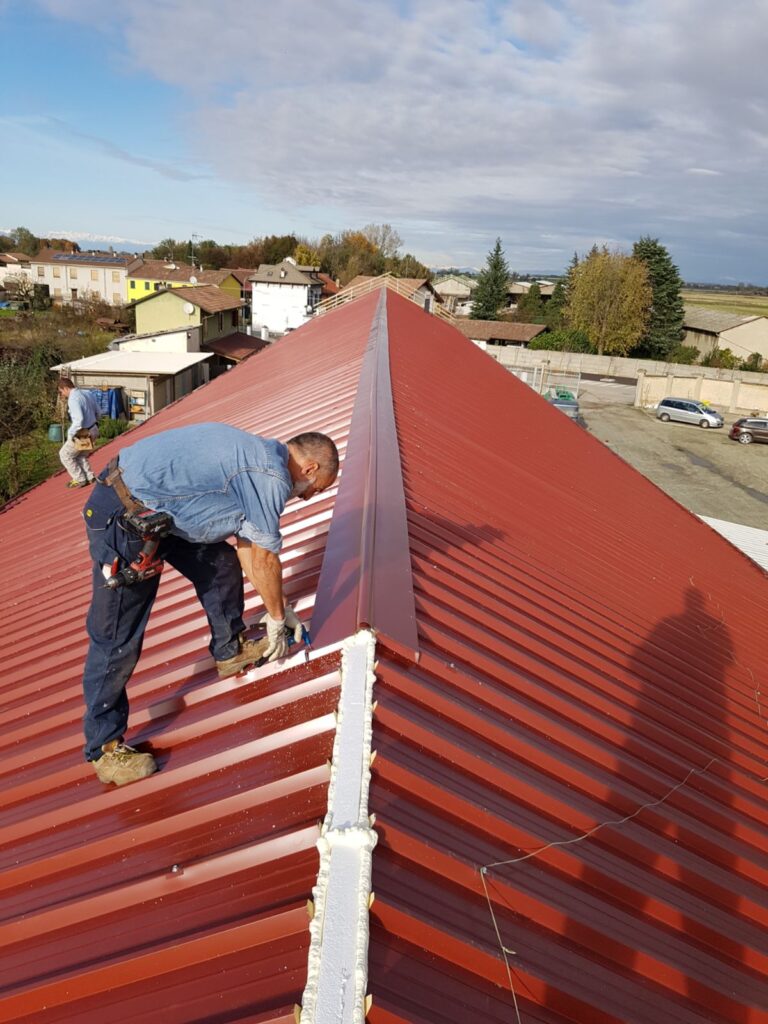
- Metal Roofing: Known for its durability and longevity, metal roofing can last over 50 years. It’s also energy efficient and environmentally friendly, but it can be more expensive upfront.
- Tile Roofing: This traditional option is famous for its aesthetic appeal and longevity. Tile roofs can withstand harsh weather conditions, but they are heavy and require a strong supporting structure.
- Wood Shingles: These offer a natural look and good insulation. However, they require more maintenance and can be susceptible to mold and rot.
- Slate Roofing: This is a premium option that provides unmatched durability and aesthetic appeal. But, slate is one of the most expensive roofing materials available.
The Importance of Regular Maintenance
Just like any other part of your home, your roof requires regular maintenance to ensure its longevity. Here are some key maintenance tips:
Inspect Your Roof Regularly
It’s essential to perform regular inspections, ideally twice a year. Look for missing or damaged shingles, rust on metal roofs, or any signs of leaks. Early detection can save you from costly repairs in the long run.
Clean Your Gutters
Clogged gutters can lead to water pooling on your roof, which can cause significant damage. Ensure that your gutters are free of debris, especially during the fall when leaves tend to accumulate.
Trim Overhanging Branches
Overhanging branches can scrape your roof and provide a pathway for pests. Keeping them trimmed back will not only protect your roof but also increase your home’s overall safety.
Signs That You Need a New Roof
Sometimes, regular maintenance isn’t enough. Here are some signs that indicate it might be time for a roof replacement:
- Visible Wear and Tear: If you notice significant wear, such as curling or missing shingles, it may be time for a new roof.
- Leaks and Water Damage: Water stains on ceilings or walls can indicate a leak. This is a sign that your roof may no longer be adequately protecting your home.
- Age of the Roof: Most roofs last between 20 to 25 years. If your roof is nearing this age, it’s wise to start planning for its replacement.
Choosing a Roofing Contractor
Selecting the right contractor is crucial for ensuring that your roofing project goes smoothly. Here are some tips for finding a reputable roofing contractor:
Do Your Research
Before hiring anyone, check their reviews online and ask for references. A reliable contractor should have a solid reputation in the community.
Verify Insurance and Licensing
Always ensure that your contractor is licensed and insured. This protects you from liability in case of accidents and ensures that the work is completed to code.
Get Multiple Quotes
Don’t settle for the first quote you receive. Get estimates from several contractors to compare prices and services. Remember, the cheapest option isn’t always the best.
Cost Considerations in Roofing
The cost of roofing can vary widely based on several factors, including materials, labor, and the size of your roof. Here’s what to keep in mind:
- Material Cost: As previously mentioned, materials can significantly affect the overall cost. For instance, metal roofing may have a higher initial cost but can save money in the long run due to its durability.
- Labor Costs: Hiring experienced contractors may cost more upfront, but their expertise can prevent future issues and save you money on repairs.
- Waste Disposal: Depending on your project, you may need to factor in disposal costs for old roofing materials.
DIY vs. Professional Roofing
Considering a DIY roofing project? While it can be tempting to save money, roofing is a complex task that often requires professional skills. Here are some pros and cons:
Pros of DIY Roofing
- Cost savings on labor.
- A sense of accomplishment and pride in completing the project yourself.
Cons of DIY Roofing
- Risk of injury or accidents, especially if you’re not experienced.
- Potential for mistakes that can lead to costly repairs down the line.
Frequently Asked Questions
How long does a roof typically last?
A well-installed asphalt roof lasts about 20-25 years, while metal roofs can last 50 years or more.
What should I do if I notice a leak?
Act quickly! Inspect the area and contact a professional roofer to assess the damage and make necessary repairs.
Can I install a new roof over my existing roof?
In many cases, yes, but local building codes may restrict this practice. Always consult with a roofing professional before proceeding.
Ultimately, understanding the ins and outs of roofing can help you make informed decisions regarding your home. Whether you choose to maintain your roof, hire professionals, or even take on the project yourself, being knowledgeable and prepared will lead to better outcomes.