
When it comes to electrical work, safety is of the utmost importance. One essential tool that every handyman or DIY enthusiast should have in their toolbox is a voltage tester. This handy device is not only crucial for ensuring personal safety but also for diagnosing electrical issues effectively. Let’s dive deeper into why a voltage tester is indispensable and how to use it properly.
Understanding the Basics of Voltage Testers
First and foremost, a voltage tester is a device used to determine whether an electrical circuit is live or not. It’s designed to check the presence of voltage, which is essential before performing any electrical work. There are various types of voltage testers available in the market, each with its own set of features. Understanding these options can help you choose the right one for your needs.
Types of Voltage Testers
- Non-contact voltage testers: These testers can detect voltage without needing to touch the wire. Simply bring the tester close to the wire, and if it lights up or beeps, electricity is present. This type is especially useful for quick checks and adds a layer of safety.
- Contact voltage testers: These require direct contact with the electrical conductor. They are great for accurately measuring voltage levels and are often used in more detailed electrical diagnostics.
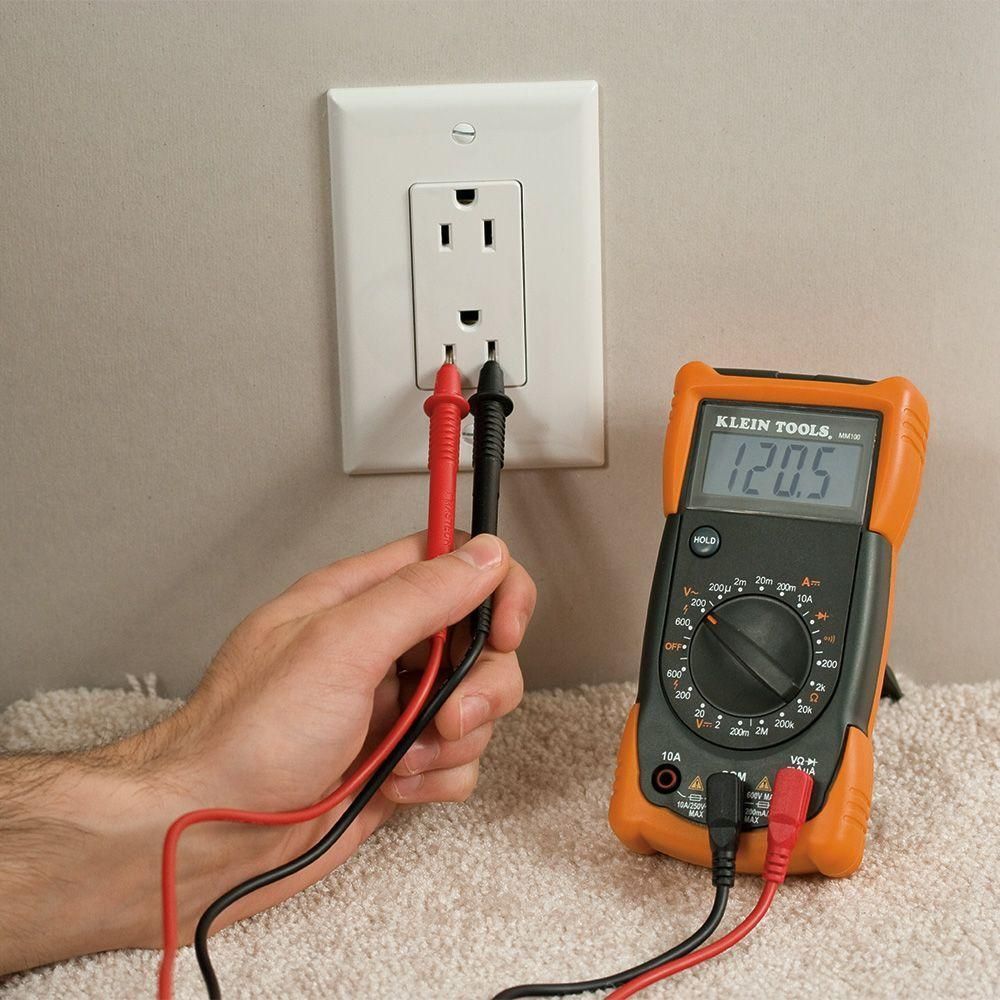
- Multimeters: While not exclusively voltage testers, multimeters can measure voltage, current, and resistance. They are versatile tools that every handyman should consider having.
Why You Need a Voltage Tester
Using a voltage tester can save you from unexpected electrical shocks and accidents. Here are several reasons why incorporating this tool into your toolkit is a smart idea:
Safety First
Before starting any electrical project, it’s imperative to ensure that the circuits you are about to work on are not live. A quick test with a voltage tester can confirm this, allowing you to work without the fear of electrical shock. Remember, safety should always come first!
Diagnosing Electrical Problems
Voltage testers are instrumental in troubleshooting electrical issues. If a light bulb won’t turn on or an outlet isn’t working, a voltage tester can help you determine if the problem lies with the power source or the fixture itself. Quick checks can lead to faster resolutions.
Saving Time and Money
Identifying electrical issues early on can save you both time and money. Instead of calling in a professional for every minor issue, a voltage tester allows you to perform your own diagnostics. This not only empowers you as a DIYer but can also prevent larger problems down the line.
How to Use a Voltage Tester
Using a voltage tester is relatively straightforward, but following the correct steps is crucial for safety. Here’s a step-by-step guide:
Step 1: Gather Your Tools
Make sure you have your voltage tester handy, along with any other necessary tools, such as screwdrivers or pliers.
Step 2: Turn Off Power
Before you start testing, switch off the power at the circuit breaker. This is an important safety measure, even if you plan to use a non-contact tester.
Step 3: Test the Tester
Before using the tester on the circuit, check it on a known live circuit to ensure it’s functioning correctly. If it doesn’t respond, it may need new batteries or could be malfunctioning.
Step 4: Test the Circuit
If you’re using a non-contact voltage tester, hold it near the wire or outlet you want to test. If it lights up or beeps, voltage is present. For contact testers, touch the probes to the terminals or wires. The tester will indicate if voltage is present.
Step 5: Interpret the Results
Most testers will indicate voltage presence with a light or sound. For multimeters, refer to the display to read the voltage level. Understanding these results is key to diagnosing the issue accurately.
Common Mistakes to Avoid
Even with a reliable voltage tester, mistakes can happen. Here are a few common pitfalls to avoid:
- Not testing the tester: Always ensure your voltage tester is working before relying on it to check other circuits.
- Assuming all testers are the same: Different testers have different voltage ranges. Make sure yours is suitable for the task at hand.
- Neglecting safety: Always follow safety protocols and wear appropriate protective gear when working with electricity.
Frequently Asked Questions
What is the difference between a voltage tester and a multimeter?
A voltage tester is primarily used to check for the presence of voltage, while a multimeter can measure voltage, current, and resistance. Multimeters are more versatile but can be more complicated to use.
Can I use a voltage tester on a live circuit?
Yes, voltage testers are designed for that purpose. However, it’s crucial to exercise caution and follow safety protocols when working with live circuits.
How often should I test my voltage tester?
It’s a good practice to test your voltage tester regularly, especially before important electrical work. If it is dropped or exposed to moisture, retest it before use.
What should I do if my voltage tester doesn’t indicate voltage?
If your tester doesn’t indicate voltage on a circuit you believe is live, first check the tester on a known live circuit. If it still doesn’t work, it may need to be replaced.
Incorporating a voltage tester into your toolkit can significantly enhance your safety and efficiency when handling electrical tasks. Whether you’re a seasoned handyman or just starting out, understanding how to use this tool can empower you to tackle electrical projects with confidence.